油气回收设备升级潮:企业如何选择优技术方案与合规路径?
为什么油气回收突然成为企业的“必修课”?
Why has oil and gas recovery suddenly become a mandatory course for enterprises?
加油站飘散的汽油味、化工厂区特有的气味——这些日常中被忽视的细节,正成为环保部门重点监管的对象。随着2024年《挥发性有机物治理攻坚方案》全面落地,全国范围内油气回收治理进入“精密管控”时代。对石化、仓储、运输企业而言,这已不是“选择题”,而是关乎生存的“必答题”。
The smell of gasoline wafting from gas stations and the unique odor of chemical plants - these overlooked details in daily life are becoming the focus of supervision by environmental protection departments. With the comprehensive implementation of the "Volatile Organic Compounds Management Plan" in 2024, the national oil and gas recovery and management has entered the era of "precision control". For petrochemical, warehousing, and transportation enterprises, this is no longer a "multiple-choice question", but a "must answer question" related to survival.
深度解析:不同场景下的油气回收技术如何选型?
In depth analysis: How to select oil and gas recovery technologies in different scenarios?
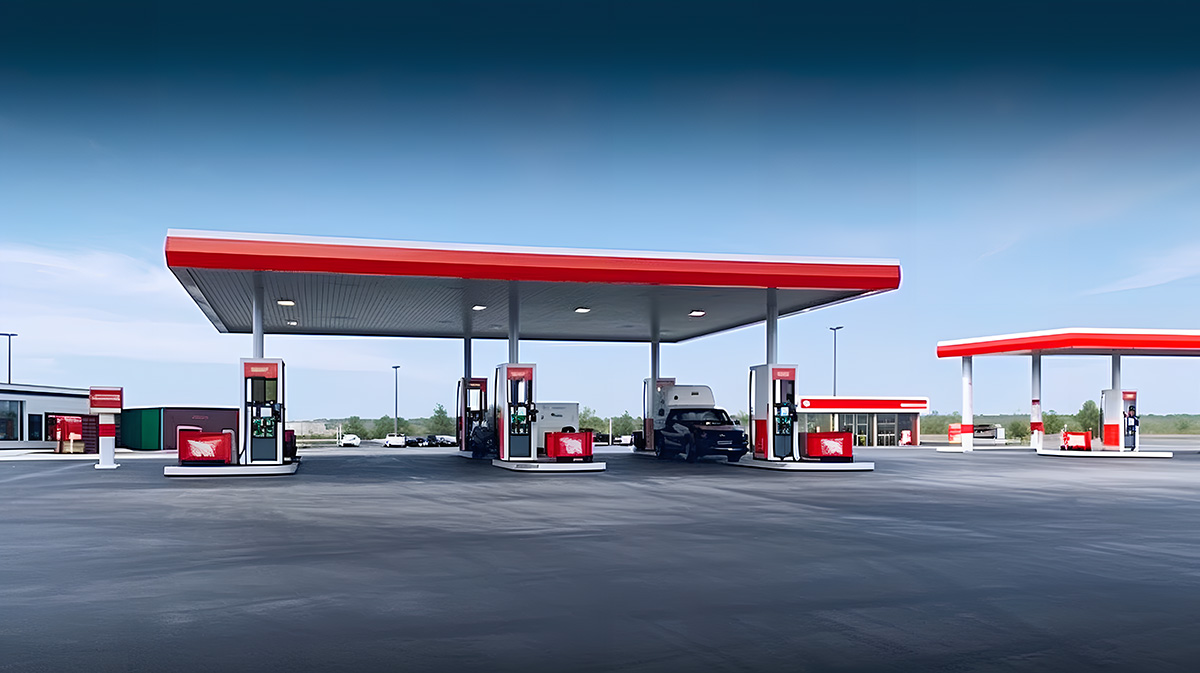
加油站场景:平衡效率与运营便利
Gas station scenario: balancing efficiency and operational convenience
传统加油站普遍采用“吸附+吸收”组合技术,但新一代膜分离冷凝集成系统正成为升级首选。某沿海省份中石化站点实测数据显示,新系统将油气回收率从95%提升至99.2%,年减少VOCs排放1.8吨,回收油品价值直接覆盖设备运维成本。
Traditional gas stations commonly use a combination of "adsorption+absorption" technology, but the new generation of membrane separation and condensation integrated systems is becoming the preferred upgrade option. According to actual test data from a Sinopec station in a coastal province, the new system has increased the oil and gas recovery rate from 95% to 99.2%, reduced annual VOC emissions by 1.8 tons, and the value of recovered oil products directly covers equipment operation and maintenance costs.
选择要点:
Key points for selection:
日销量20吨以下站点:优先考虑改造成本低的活性炭吸附装置
Stations with daily sales below 20 tons: Priority should be given to retrofitting low-cost activated carbon adsorption devices
城区重点区域站点:必须配备在线监测系统并与环保平台实时对接
Key stations in urban areas must be equipped with online monitoring systems and connected in real-time with environmental protection platforms
新建站点:直接安装“冷凝+膜分离”三级回收系统,满足未来十年标准
New site: Directly install the "condensation+membrane separation" three-stage recovery system to meet the standards for the next decade
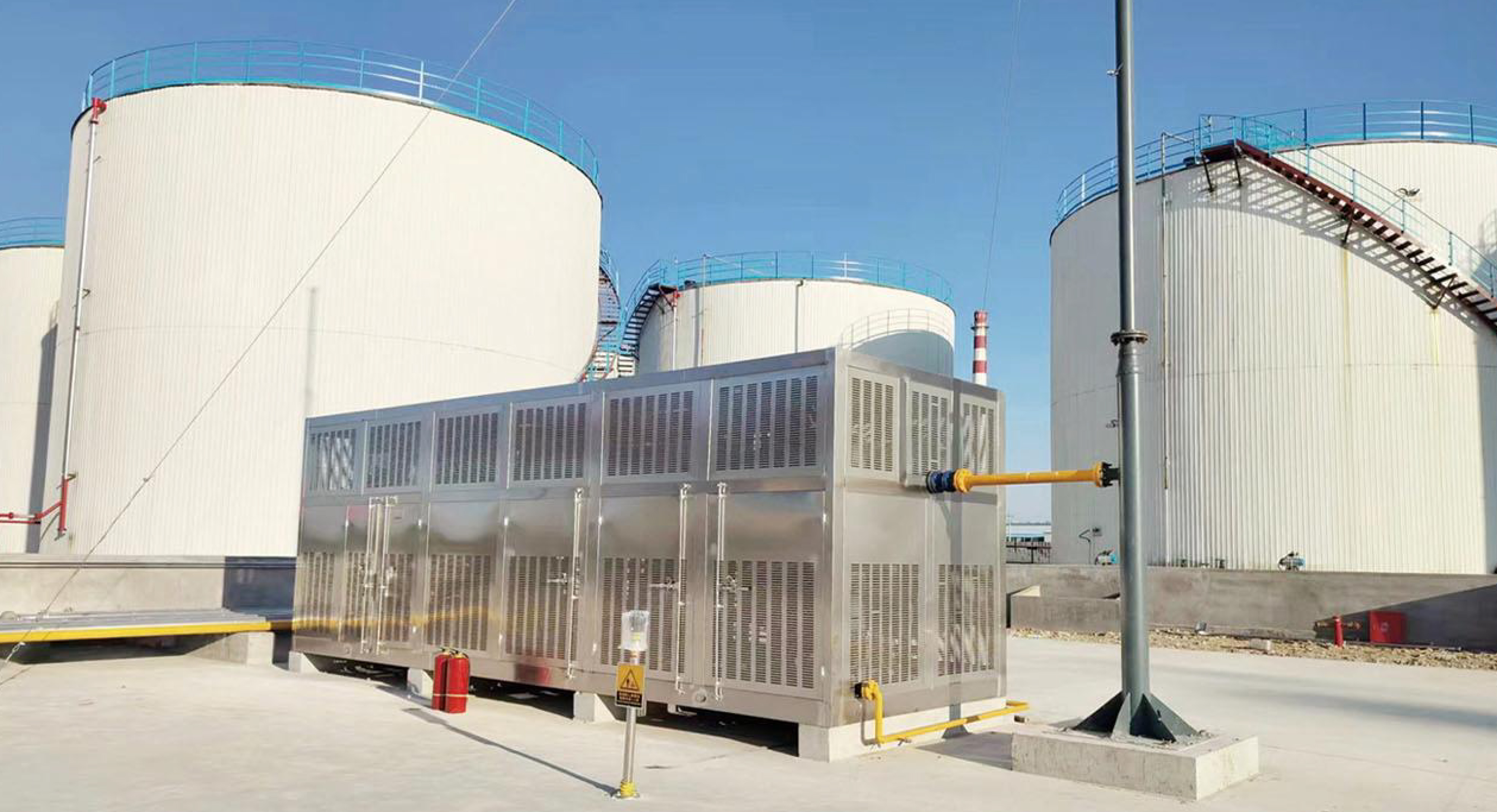
油库与化工厂:规模化处理的技术组合
Oil depots and chemical plants: technology combination for large-scale processing
大型储油库的油气排放呈现“间歇性、高浓度”特点,冷凝预处理+深度吸附的组合方案效果显著。南京某化工仓储企业的实践显示,采用阶梯式冷凝技术(第一级+5℃,第二级-35℃,第三级-75℃)可将油气回收效率稳定控制在99.5%以上,设备投资回收期缩短至2.3年。
The oil and gas emissions from large oil storage facilities exhibit intermittent and high concentration characteristics, and the combination of condensation pretreatment and deep adsorption has a significant effect. The practice of a chemical storage enterprise in Nanjing shows that the use of stepped condensation technology (first stage+5 ℃, second stage -35 ℃, third stage -75 ℃) can stably control the oil and gas recovery efficiency at over 99.5%, and shorten the equipment investment payback period to 2.3 years.
政策风向标:2024-2025年监管重点解读
Policy Indicator: Interpretation of Regulatory Focus in 2024-2025
在线监测成为强制要求
Online monitoring has become a mandatory requirement
以往“装了就行”的时代已经结束。京津冀、长三角、珠三角等重点区域,所有年周转量5000吨以上油库、重点位置加油站,必须安装油气回收在线监测系统,数据需保留3年以上,并实时上传至监管部门平台。
The era of 'just install it' in the past is over. In key regions such as Beijing Tianjin Hebei, Yangtze River Delta, and Pearl River Delta, all oil depots with an annual turnover of over 5000 tons and key gas stations must install an online monitoring system for oil and gas recovery. The data must be retained for more than 3 years and uploaded to the regulatory department platform in real time.
地方标准趋于严格
Local standards are becoming stricter
广东、浙江等地已出台比国标更严格的地方标准,要求加油站油气回收系统气液比合格率从90%提升至95%以上,排放浓度限值收紧30%。这种“区域领先、逐步推广”的模式将在全国铺开。
Guangdong, Zhejiang and other places have introduced stricter local standards than the national standard, requiring gas stations to increase the gas-liquid ratio qualification rate of their oil and gas recovery systems from 90% to over 95%, and tighten the emission concentration limit by 30%. This "regional leadership and gradual promotion" model will be rolled out nationwide.
经济账:油气回收不再是“纯成本”
Economic account: Oil and gas recovery is no longer a 'pure cost'
直接经济效益可量化
The direct economic benefits can be quantified
以年周转量10万吨的油库为例:
Taking an oil depot with an annual turnover of 100000 tons as an example:
传统方式油气损耗率约0.3%:年损失油品300吨
The traditional oil and gas loss rate is about 0.3%: an annual loss of 300 tons of oil products
安装高效回收装置后:回收率98%,年回收油品294吨
After installing an efficient recycling device, the recovery rate is 98%, with an annual recovery of 294 tons of oil products
按当前油价计算:年直接经济效益超150万元
Calculated based on current oil prices: annual direct economic benefits exceeding 1.5 million yuan
设备投资约200-300万元:投资回收期仅1.5-2年
Equipment investment of about 2-3 million yuan: investment payback period of only 1.5-2 years
隐形成本节约更显著
Invisible cost savings are more significant
安全成本降低:减少油气积聚,大幅降低爆炸风险
Reduce safety costs: minimize oil and gas accumulation, significantly reduce explosion risks
环保处罚规避:单次VOCs超标处罚可达20万元
Avoidance of environmental penalties: The penalty for a single VOCs exceeding the standard can reach 200000 yuan
企业形象提升:绿色认证为企业带来招标加分和品牌溢价
Corporate image enhancement: Green certification brings bidding bonus points and brand premium to enterprises
技术前沿:智能化如何重塑油气回收?
Technological Frontier: How can intelligence reshape oil and gas recovery?
预测性维护系统
Predictive maintenance system
通过在关键节点安装传感器,系统可提前7-15天预警吸附剂饱和、压缩机效率下降等问题,将计划外停机减少80%。中国石油在某试点项目中使用此系统后,运维成本降低40%。
By installing sensors at critical nodes, the system can provide 7-15 days in advance warning of issues such as adsorbent saturation and compressor efficiency decline, reducing unplanned shutdowns by 80%. After using this system in a pilot project, PetroChina reduced its operation and maintenance costs by 40%.
数字孪生技术应用
Application of Digital Twin Technology
建立油气回收系统的虚拟模型,通过实时数据同步,可在不干扰生产的情况下进行参数优化测试,找到最佳运行模式。某企业应用后,系统整体能耗降低了18%。
Establish a virtual model of the oil and gas recovery system, and through real-time data synchronization, perform parameter optimization testing without interfering with production to find the optimal operating mode. After being applied by a certain enterprise, the overall energy consumption of the system decreased by 18%.
实战指南:三步走实现高效合规
Practical Guide: Three Steps to Achieve Efficient Compliance
第一步:精准诊断(1-2周)
Step 1: Precise diagnosis (1-2 weeks)
聘请第三方检测机构,对现有系统进行全流程检测,绘制“VOCs排放热力图”,识别90%以上的泄漏点。
Hire a third-party testing agency to conduct full process testing on the existing system, draw a "VOCs emission heat map", and identify over 90% of leakage points.
第二步:定制方案(2-3周)
Step 2: Customized plan (2-3 weeks)
避免“一刀切”采购,根据诊断结果匹配技术方案,关键指标包括:
Avoid one size fits all procurement and match technical solutions based on diagnostic results. Key indicators include:
油气浓度范围与波动特征
Range and fluctuation characteristics of oil and gas concentration
处理气量与峰值流量
Processing gas volume and peak flow rate
场地限制与电力配置
Site restrictions and power configuration
未来3-5年业务增长预期
Expected business growth in the next 3-5 years
第三步:智能管理(持续)
Step 3: Intelligent Management (Continuous)
建立数字化管理台账,每日自动生成运行报告,每月进行关键参数趋势分析,每季度进行预防性维护,形成管理闭环。
Establish a digital management ledger, generate daily operation reports automatically, conduct monthly trend analysis of key parameters, and perform preventive maintenance every quarter to form a management loop.
常见陷阱与避坑指南
Common pitfalls and avoidance guide
陷阱一:“低价中标”后患无穷
Trap 1: Endless troubles after winning the bid at a low price
某企业采购低价回收装置后,第一年看似正常,第二年效率骤降,更换吸附剂和维修费用超过初始投资。建议:选择有至少5个同类项目案例的供应商,要求提供长期效能保证。
After a certain enterprise purchased a low-priced recycling device, it seemed normal in the first year, but the efficiency dropped sharply in the second year, and the cost of replacing the adsorbent and repairing exceeded the initial investment. Suggestion: Choose a supplier with at least 5 similar project cases and provide long-term performance guarantees.
陷阱二:忽视安装细节
Trap 2: Neglecting installation details
即使选择优质设备,安装不规范仍会导致30%以上效率损失。关键点:管道坡度必须精确(≥1%)、法兰连接处使用专用垫片、气液比调节器必须现场标定。
Even if high-quality equipment is chosen, improper installation can still result in over 30% efficiency loss. Key points: The slope of the pipeline must be precise (≥ 1%), special gaskets must be used at flange connections, and the gas-liquid ratio regulator must be calibrated on site.
陷阱三:“一装了之”的管理误区
Trap Three: The Management Misconception of 'One Installation'
系统需要定期检测维护,活性炭每1-2年更换,冷凝机组每季度清洗。推荐:签订包含定期维护的长期服务合同。
The system requires regular inspection and maintenance, with activated carbon replaced every 1-2 years and condensing units cleaned quarterly. Recommendation: Sign a long-term service contract that includes regular maintenance.
未来展望:油气回收行业的三大趋势
Future outlook: Three major trends in the oil and gas recovery industry
趋势一:从“末端治理”转向“全过程管控”
Trend 1: Shift from "end of pipe governance" to "full process control"
油气回收正向前延伸至装卸工艺优化,向后延伸至VOCs浓度监测与预警,形成覆盖全链条的解决方案。
Oil and gas recovery is extending forward to optimize loading and unloading processes, and backward to monitor and warn VOCs concentrations, forming a solution that covers the entire chain.
趋势二:标准化模块设计加速普及
Trend 2: Standardized module design accelerates popularization
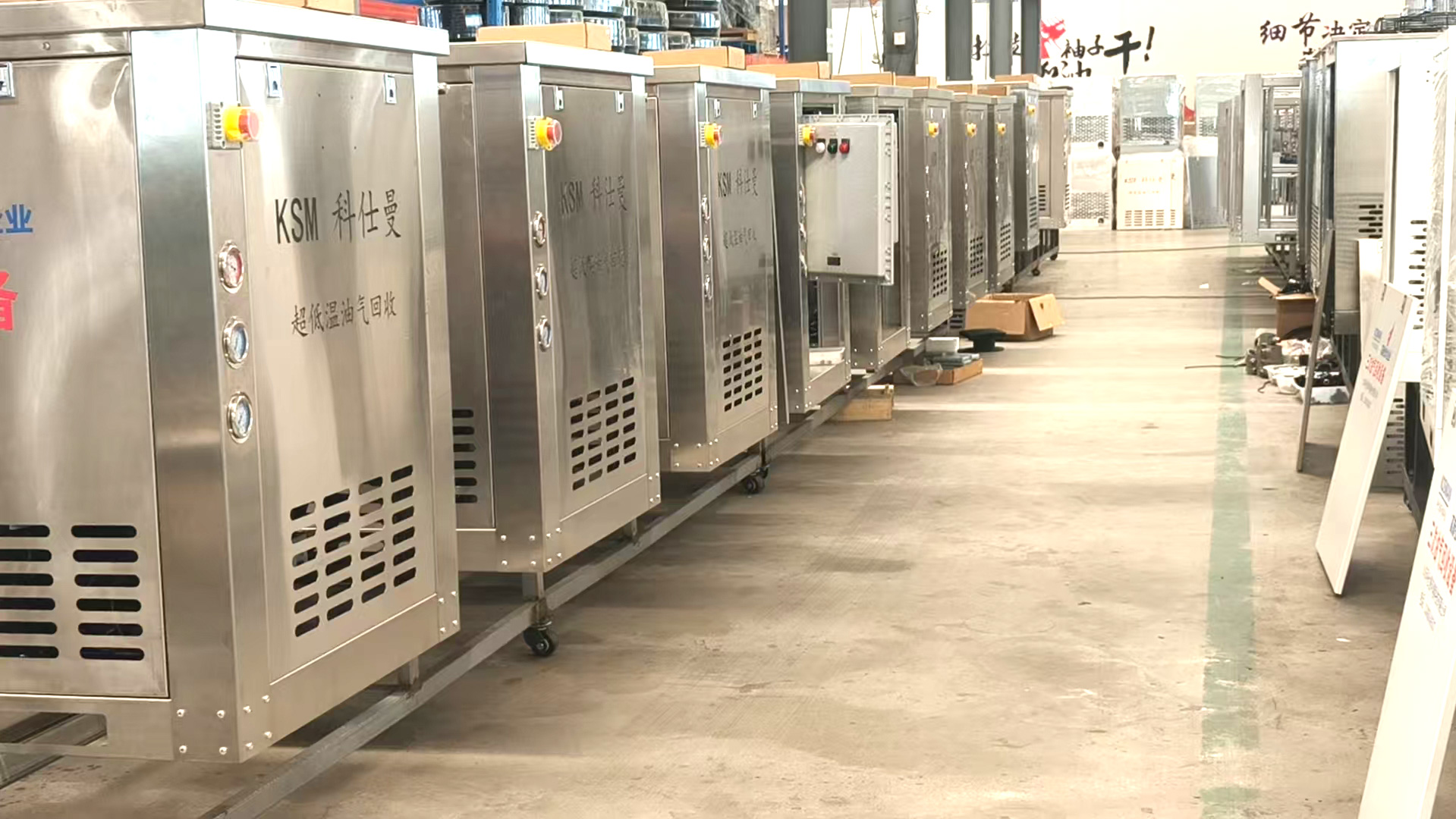
预制化、模块化的油气回收单元将缩短70%安装工期,降低现场施工不确定性,成为市场主流。
Prefabricated and modular oil and gas recovery units will shorten the installation period by 70%, reduce on-site construction uncertainty, and become mainstream in the market.
趋势三:碳交易带来新价值维度
Trend 3: Carbon trading brings new dimensions of value
回收的油气可量化计算为碳减排量,未来有望纳入碳交易体系,为项目提供额外收益。
The recovered oil and gas can be quantitatively calculated as carbon emission reductions, which are expected to be included in the carbon trading system in the future, providing additional benefits for the project.
地址:山东省菏泽市成武县经济开发区机电产业园钢架结构单层5号
 【微信二维码】
  留言咨询
留言咨询Adopting different technology and process control schemes
 鲁公网安备 337172302372103号