三种油气回收的方法
油气回收的方法有哪些?
What are the methods for oil and gas recovery?
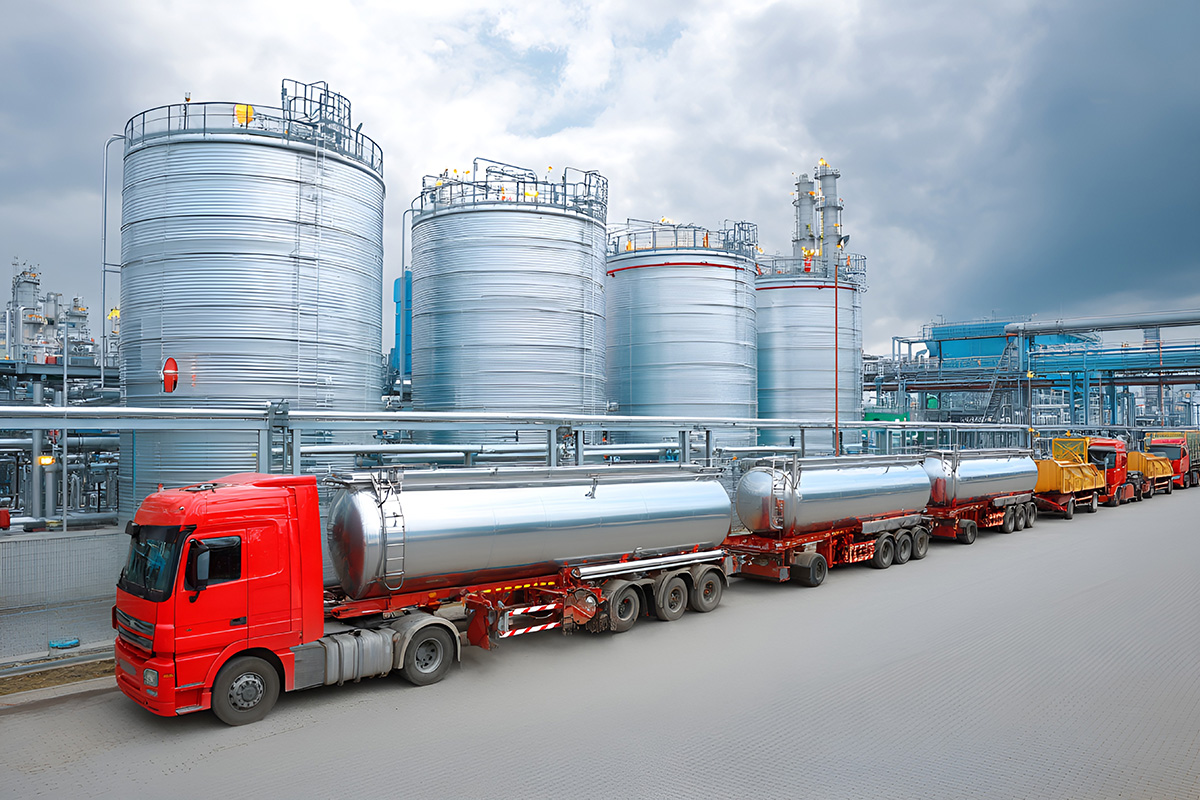
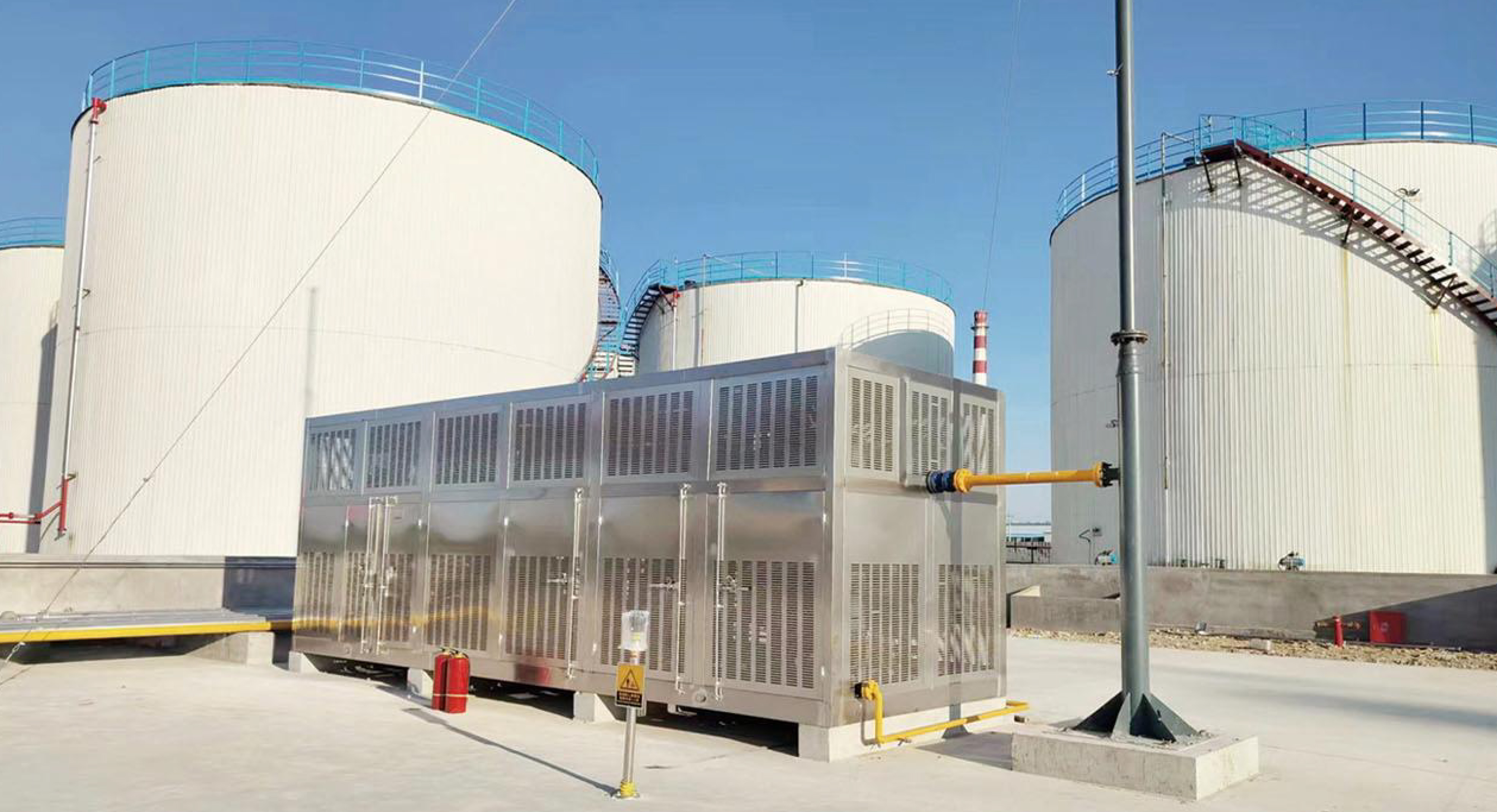
油气回收是节能环保型的新技术,运用油气回收技术回收油品在储运、装卸过程中排放的油气,防止油气挥发造成的大气污染,消除安全隐患,通过提高对能源的利用率,减小经济损失,从而得到可观的效益回报。常见的方法有吸附法、吸收法、冷凝法和膜分离法等系统。那么油气回收的方法有哪些呢?
Oil and gas recovery is a new energy-saving and environmentally friendly technology that uses oil and gas recovery technology to recover the oil and gas emitted during the storage, transportation, loading and unloading of oil products, prevent air pollution caused by oil and gas volatilization, eliminate safety hazards, improve energy utilization efficiency, reduce economic losses, and thus obtain considerable benefits and returns. Common methods include adsorption, absorption, condensation, and membrane separation systems. So what are the methods for oil and gas recovery?
1、吸附法
1. Adsorption method
利用活性炭、硅胶或活性纤维等吸附剂对油气/空气混合气的吸附力的大小,实现油气和空气的分离。油气通过活性炭等吸附剂,油气组分吸附在吸附剂表面,然后再经过减压脱附或蒸汽脱附,富集的油气用真空泵抽吸到油罐或用其他方法液化;而活性炭等吸附剂对空气的吸附力非常小,未被吸附的尾气经排气管排放。
By utilizing adsorbents such as activated carbon, silica gel, or activated fibers to determine the adsorption force of oil gas/air mixtures, the separation of oil gas and air can be achieved. Oil and gas are adsorbed on the surface of adsorbents such as activated carbon, and then undergo depressurization or steam desorption. The enriched oil and gas are pumped into oil tanks by vacuum pumps or liquefied by other methods; The adsorption force of activated carbon and other adsorbents on air is very small, and the unadsorbed exhaust gas is discharged through the exhaust pipe.
优点:吸附法可以达到较高的处理效率;
Advantages: Adsorption method can achieve high processing efficiency;
排放浓度低,可达到很低的值。
The emission concentration is low and can reach very low values.
缺点:
Disadvantages:
三苯易使活性炭失活,活性炭失活后存在二次污染问题;
Triphenyl is prone to deactivation of activated carbon, and there is a secondary pollution problem after deactivation of activated carbon;
国产活性炭吸附力一般只有7%左右,而且寿命不长,一般2年左右要换一次。
The adsorption capacity of domestically produced activated carbon is generally only about 7%, and its lifespan is not long, usually requiring replacement every 2 years.
2、吸收法
2. Absorption method
根据混合油气中各组分在吸收剂中的溶解度的大小,来进行油气和空气的分离。一般用柴油等贫油做吸收剂。一般采用油气与从吸收塔顶淋喷的吸收剂进行逆流接触,吸收剂对烃类组分进行选择性吸收,未被吸收的气体经阻火器排放,吸收剂进入真空解吸罐解吸,富集油气再用油品吸收。
Separate oil and air based on the solubility of each component in the absorbent in the mixed oil and gas mixture. Generally, lean fuels such as diesel are used as absorbents. Generally, oil and gas are in countercurrent contact with the absorbent sprayed from the top of the absorption tower. The absorbent selectively absorbs hydrocarbon components, and the unabsorbed gas is discharged through a flame arrester. The absorbent enters a vacuum desorption tank for desorption, and the enriched oil and gas are then absorbed by oil products.
优点:工艺简单,投资成本低。
Advantages: Simple process and low investment cost.
缺点:回收率太低,一般只能达到80%左右,无法达到现行国家标准;
Disadvantages: The recycling rate is too low, generally only reaching around 80%, which cannot meet the current national standards;
设备占地空间大;
The equipment occupies a large space;
能耗高;
High energy consumption;
吸收剂消耗较大,需不断补充;
Absorbent consumption is high and needs to be continuously replenished;
压力降太大,达5000帕左右。
The pressure drop is too large, reaching around 5000 Pa.
3、冷凝法
3. Condensation method
利用制冷技术将油气的热量置换出来,实现油气组分从气相到液相的直接转换。冷凝法是利用烃类物质在不同温度下的蒸汽压差异,通过降温使油气中一些烃类蒸汽压达到过饱和状态,过饱和蒸汽冷凝成液态,回收油气的方法。一般采用多级连续冷却方法降低油气的温度,使之凝聚为液体回收,根据挥发气的成分、要求的回收率及最后排放到大气中的尾气中有机化合物浓度限值,来确定冷凝装置的最低温度。一般按预冷、机械制冷等步骤来实现。预冷器是一单级冷却装置,为减少回收装置的运行能耗,现已开发出一种使用冷量回用的技术,使进入回收装置的气体温度从环境温度下降至4℃左右,使气体中大部分水汽凝结为水而除去。气体离开预冷器后进入浅冷级。可将气体温度冷却至-30℃~-50℃,根据需要设定,可回收油气中近一半的烃类物质。离开浅冷的油气进入深冷级,可冷却至-73℃到-110℃,根据不同的要求设定温度和进行压缩机的配置。
Using refrigeration technology to replace the heat of oil and gas, achieving direct conversion of oil and gas components from gas phase to liquid phase. The condensation method is a method of recovering oil and gas by utilizing the difference in vapor pressure of hydrocarbon substances at different temperatures, cooling down to achieve supersaturation of some hydrocarbon vapor pressure in oil and gas, and condensing supersaturated vapor into liquid state. Generally, multi-stage continuous cooling method is used to reduce the temperature of oil and gas, so that it condenses into liquid for recovery. The minimum temperature of the condensing device is determined based on the composition of the volatile gas, the required recovery rate, and the concentration limit of organic compounds in the exhaust gas finally discharged into the atmosphere. Generally, it is achieved through steps such as pre cooling and mechanical refrigeration. The precooler is a single-stage cooling device. In order to reduce the operating energy consumption of the recovery device, a technology has been developed that uses cold recycling to lower the temperature of the gas entering the recovery device from ambient temperature to around 4 ℃, causing most of the water vapor in the gas to condense into water and be removed. The gas leaves the pre cooler and enters the shallow cooling stage. The gas temperature can be cooled to -30 ℃ to -50 ℃, and can be set as needed to recover nearly half of the hydrocarbon substances in oil and gas. Leaving the shallow cooled oil and gas, it enters the cryogenic stage and can be cooled to -73 ℃ to -110 ℃. The temperature and compressor configuration can be set according to different requirements.
优点:工艺原理简单,经济效益最可观;
Advantages: Simple process principle and the most significant economic benefits;
可直观的看到液态的回收油品;
You can visually see the liquid recovered oil products;
安全性高;
High safety;
自动化水平高 。
High level of automation.
缺点:前期投资大。制冷能耗高,需要至少两个冷凝器切换工作,要提前开机制冷!
Disadvantage: Large upfront investment. High cooling energy consumption, requiring at least two condensers to switch operations, and early startup for cooling is necessary!
4、直接燃烧法
4. Direct combustion method
这种方法是将储运过程中产生的含烃气体直接氧化燃烧,燃烧产生的二氧化炭、水和空气作为处理后的净化气体直接排放。该工艺流程仅作为一种控制油气排放的处理措施,其不能回收油品,也没有经济效益。
This method involves the direct oxidation and combustion of hydrocarbon containing gases generated during storage and transportation. The resulting carbon dioxide, water, and air are directly discharged as purified gases after treatment. This process is only used as a treatment measure to control oil and gas emissions, and it cannot recover oil products and has no economic benefits.
5、膜分离法
5. Membrane separation method
利用特殊高分子膜对烃类有优先透过性的特点,让油气和空气混合气在一定压力的推动下 ,使油气分子优先透过高分子膜,而空气组分则被截留排放,富集的油气传输回油罐或用其他方法液化。
By utilizing the preferential permeability of special polymer membranes for hydrocarbons, the mixture of oil, gas, and air is pushed under a certain pressure to allow oil and gas molecules to preferentially pass through the polymer membrane, while air components are intercepted and discharged. The enriched oil and gas are transported back to the oil tank or liquefied by other methods.
优点:技术先进,工艺相对简单;
Advantages: Advanced technology, relatively simple process;
可直观的看到液态的回收油品;
You can visually see the liquid recovered oil products;
安全性高;
High safety;
自动化水平高
High level of automation
缺点:膜分离装置要求稳流、稳压气体。
Disadvantage: Membrane separation devices require stable flow and stable pressure gas.
本文由 油气回收设备 友情奉献.更多有关的知识请点击 http://www.kosman.com.cn/ 真诚的态度.为您提供为全面的服务.更多有关的知识我们将会陆续向大家奉献.敬请期待.
This article is a friendly contribution from oil and gas recovery equipment For more related knowledge, please click http://www.kosman.com.cn/ Sincere attitude To provide you with comprehensive services We will gradually contribute more relevant knowledge to everyone Coming soon.
地址:山东省菏泽市成武县经济开发区机电产业园钢架结构单层5号
 【微信二维码】
  留言咨询
留言咨询Adopting different technology and process control schemes
 鲁公网安备 337172302372103号