油气回收设备的相关原理解析
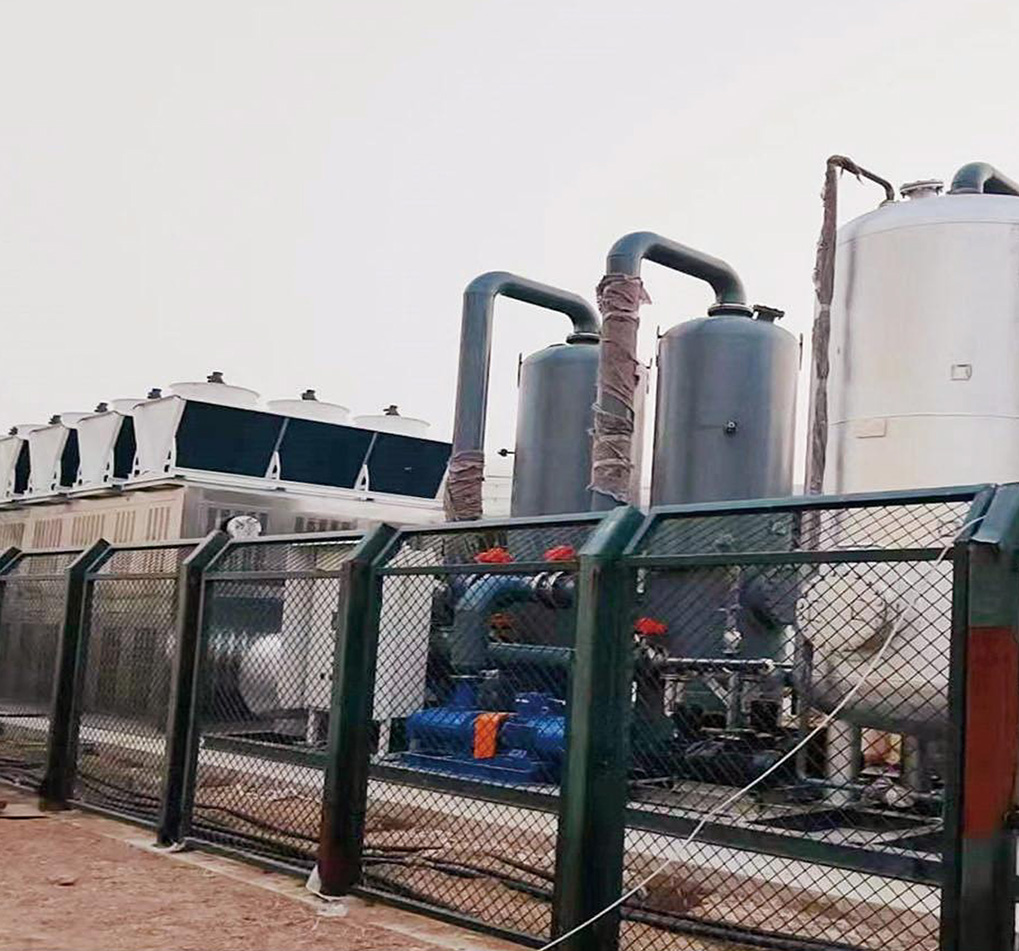
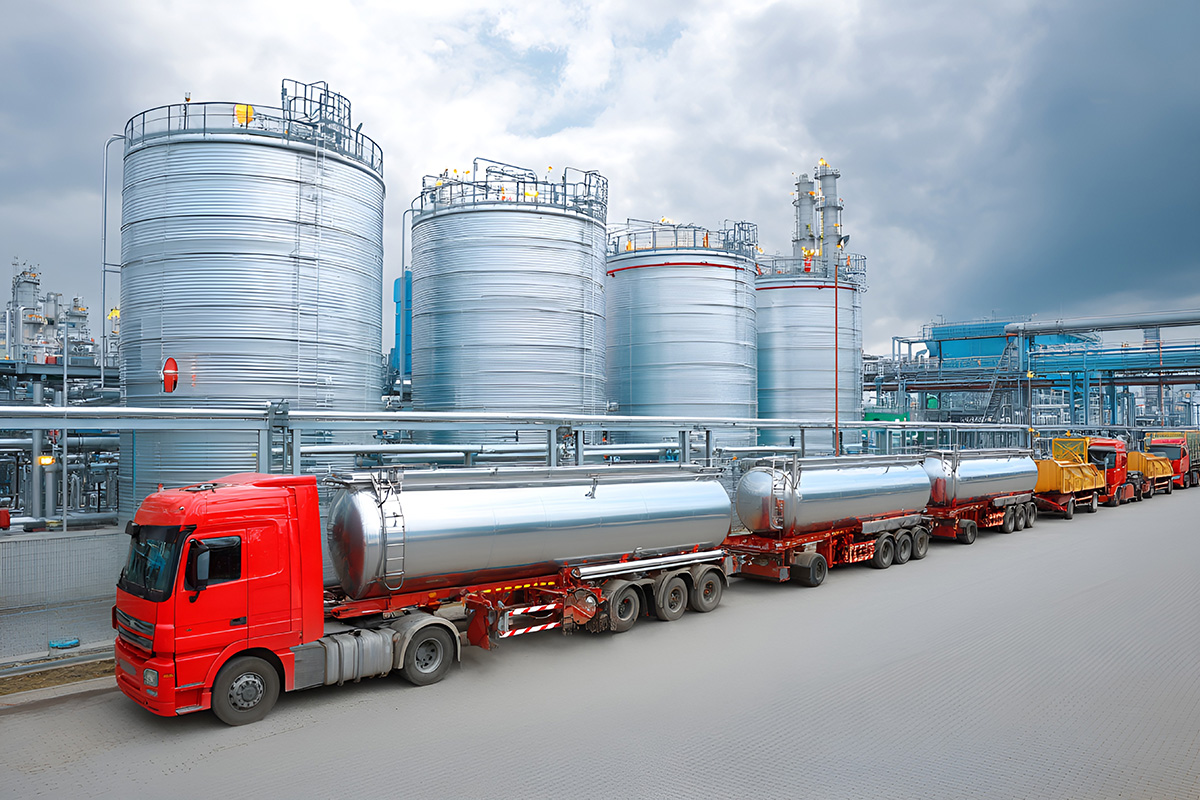
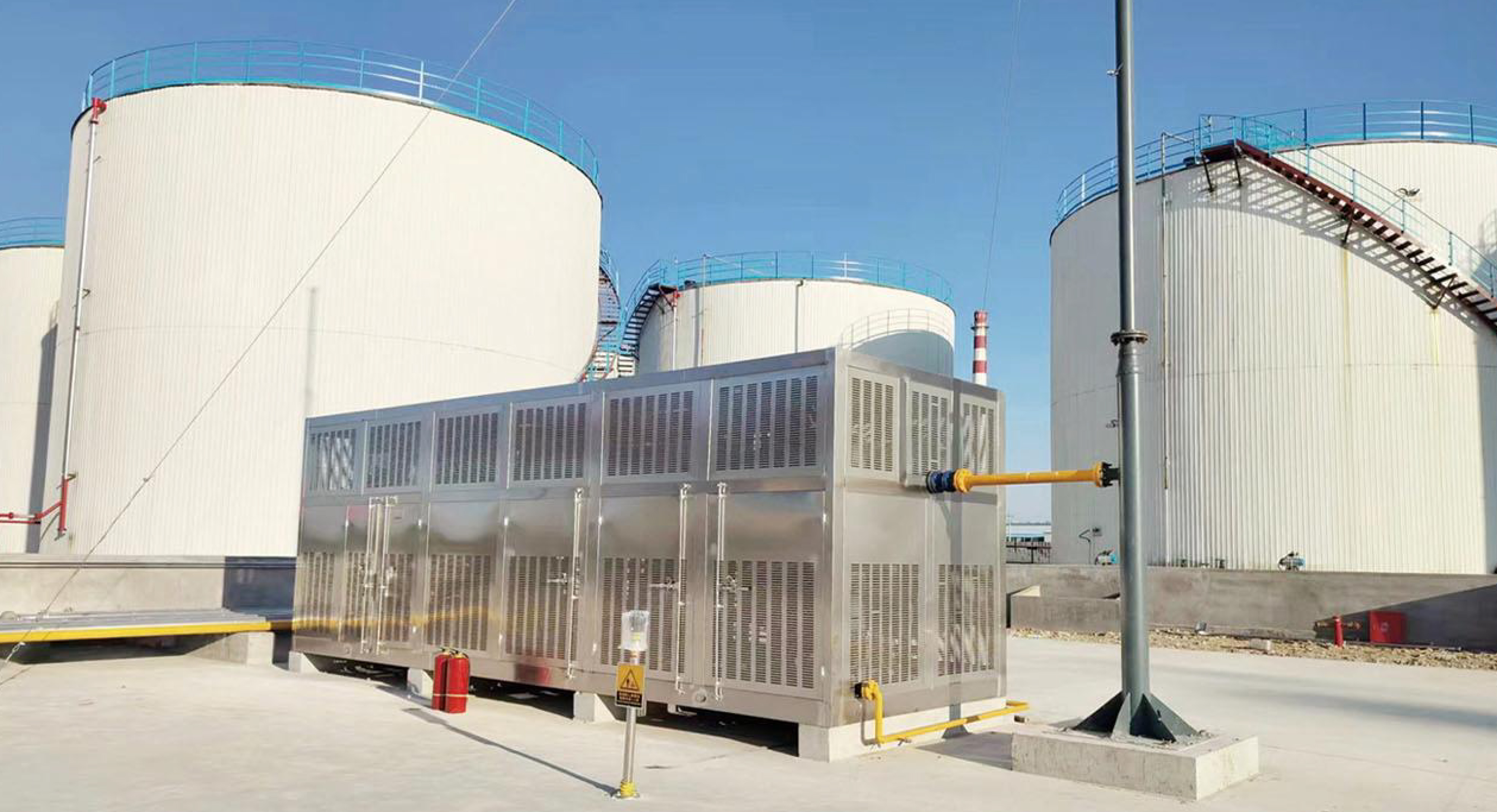
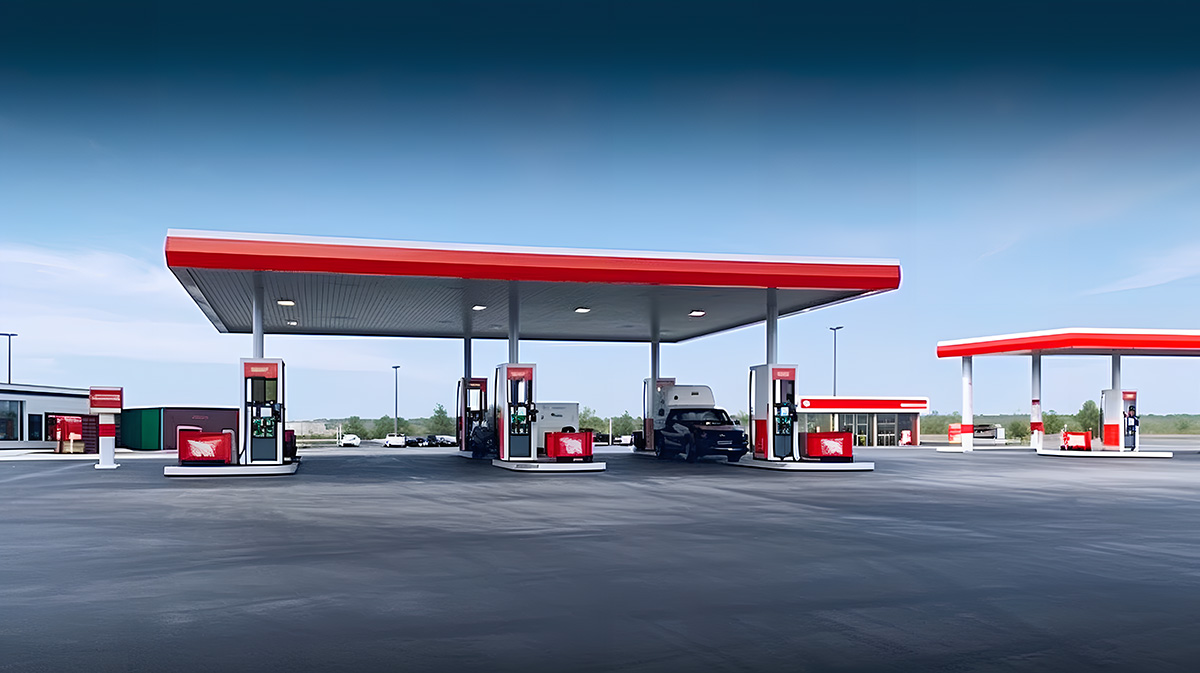
油气回收设备是用于收集、处理在油气储存、运输、加注过程中挥发的油气混合物的环保装置,其核心原理是通过物理或化学方法减少油气向大气排放,既降低能源浪费,又避免环境污染。这类设备广泛应用于加油站、储油库、油罐车等场景,通过分级处理实现油气的高效回收与再利用,其技术逻辑围绕 “捕集 - 分离 - 回收” 三个核心环节展开,各环节的协同运作决定了设备的回收效率与环保效果。
Oil and gas recovery equipment is an environmentally friendly device used to collect and process volatile oil and gas mixtures during oil and gas storage, transportation, and refueling. Its core principle is to reduce oil and gas emissions into the atmosphere through physical or chemical methods, which not only reduces energy waste but also avoids environmental pollution. This type of equipment is widely used in gas stations, oil storage tanks, tank trucks and other scenarios, achieving efficient recovery and reuse of oil and gas through graded processing. Its technical logic revolves around the three core links of "capture separation recovery", and the coordinated operation of each link determines the recovery efficiency and environmental protection effect of the equipment.
油气分离环节通过物理或化学方法实现油气与空气的分离,核心是利用油气与空气的物理性质差异。吸附法是常见技术之一,采用活性炭、分子筛等吸附剂,利用其对油气分子的强吸附力(非极性分子间的范德华力),将油气从混合气体中分离出来。当吸附剂达到饱和后,通过加热(100-120℃)或减压方式解析,释放出高浓度油气供后续处理。吸收法则利用油气易溶于特定溶剂(如轻柴油、专用吸收剂)的特性,让油气混合气体与溶剂充分接触,油气分子溶解于溶剂中,再通过蒸馏将溶剂与油气分离,溶剂可循环使用。膜分离技术是近年发展的新型方法,利用特殊高分子膜对油气的选择性渗透作用(油气分子透过膜的速度远快于空气分子),在膜两侧压力差的驱动下实现分离,具有能耗低、无二次污染的优势。
The oil and gas separation process achieves the separation of oil and gas from air through physical or chemical methods, with the core being the utilization of the differences in physical properties between oil and gas and air. Adsorption method is one of the common techniques, which uses adsorbents such as activated carbon and molecular sieves to separate oil and gas molecules from the mixed gas by utilizing their strong adsorption force (van der Waals force between non-polar molecules). When the adsorbent reaches saturation, it is decomposed by heating (100-120 ℃) or depressurization to release high concentration oil and gas for subsequent processing. The absorption law utilizes the characteristic that oil and gas are easily soluble in specific solvents (such as light diesel oil and specialized absorbents), allowing the oil and gas mixture to fully contact the solvent. Oil and gas molecules dissolve in the solvent, and then the solvent is separated from the oil and gas through distillation. The solvent can be recycled. Membrane separation technology is a new method developed in recent years, which utilizes the selective permeation of oil and gas by special polymer membranes (oil and gas molecules pass through the membrane much faster than air molecules), and is driven by the pressure difference on both sides of the membrane to achieve separation. It has the advantages of low energy consumption and no secondary pollution.
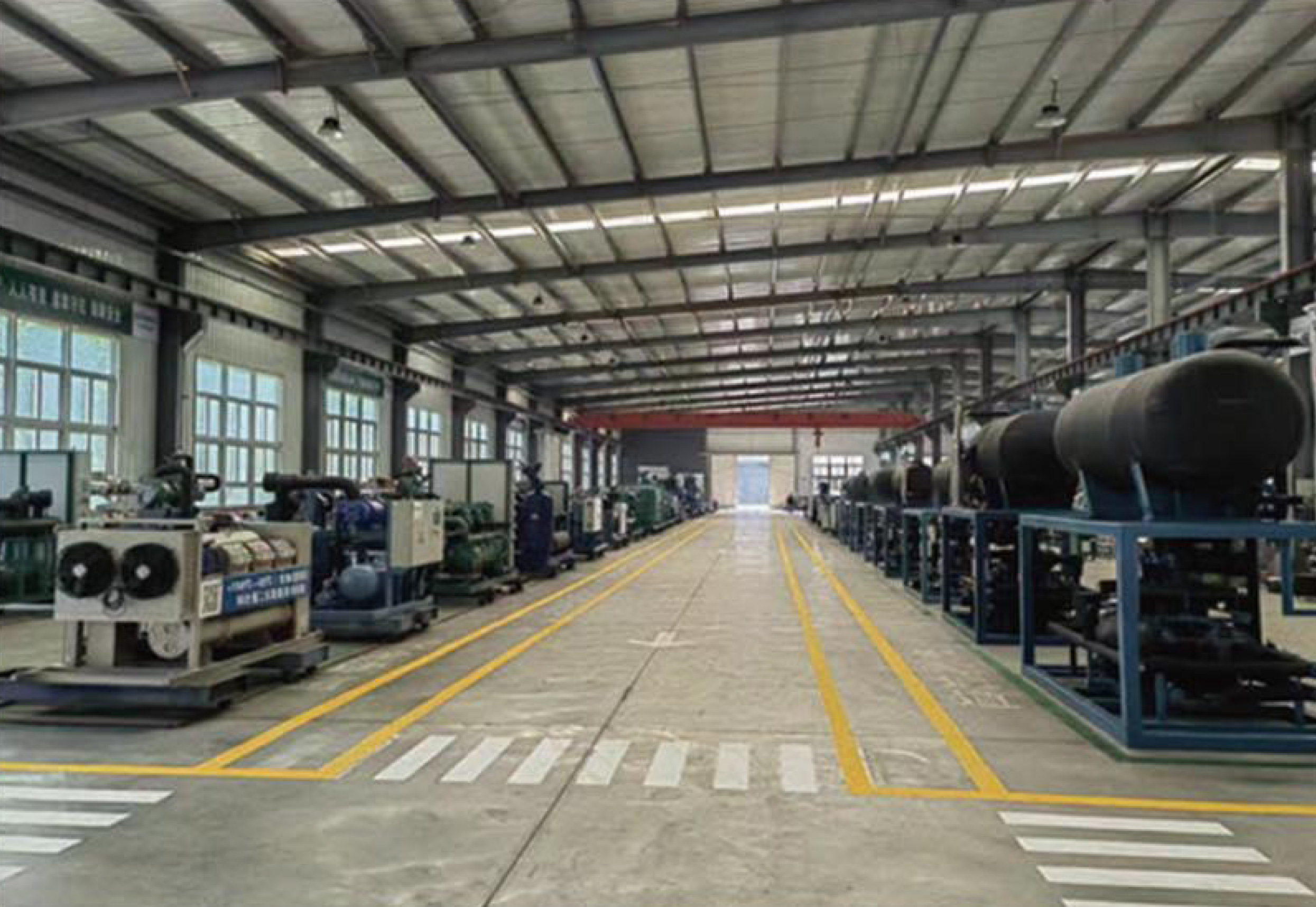
油气回收与再利用环节将分离后的高浓度油气转化为可利用资源,实现能源循环。对于加油站等小型场景,回收的油气可通过压缩机压缩为液态汽油,直接回流至油罐,重新进入销售环节,这种 “原地回收” 模式无需复杂的外输系统,适合分散性站点。大型储油库则多采用冷凝法,将分离后的油气通过多级制冷(温度逐步降至 - 40 至 - 70℃),使油气中的烃类物质冷凝为液态,纯度可达 90% 以上,可作为燃料或化工原料使用。部分设备还会结合催化燃烧技术,对无法回收的低浓度油气进行无害化处理,在催化剂作用下将油气氧化为二氧化碳和水,避免直接排放造成的空气污染,同时利用燃烧产生的热量为设备运行提供能源,提高能量利用效率。
The oil and gas recovery and reuse process converts the separated high concentration oil and gas into usable resources, achieving energy cycling. For small scenarios such as gas stations, the recovered oil and gas can be compressed into liquid gasoline through a compressor, directly returned to the oil tank, and re entered into the sales process. This "in-situ recovery" mode does not require complex export systems and is suitable for decentralized stations. Large oil storage facilities often use condensation methods to separate oil and gas through multi-stage refrigeration (gradually reducing the temperature to -40 to -70 ℃), condensing the hydrocarbon substances in the oil and gas into liquid form with a purity of over 90%, which can be used as fuel or chemical raw materials. Some equipment will also combine catalytic combustion technology to harmless treat low concentration oil and gas that cannot be recovered. Under the action of catalysts, the oil and gas will be oxidized into carbon dioxide and water, avoiding air pollution caused by direct emissions. At the same time, the heat generated by combustion will be used to provide energy for equipment operation, improving energy utilization efficiency.
设备的高效运行依赖于各系统的协同控制,通过传感器与智能算法优化处理流程。压力传感器实时监测管道内压力变化,当压力异常(如超过安全范围)时自动调节真空泵功率,避免设备过载或油气泄漏。浓度传感器检测分离后的气体中油气含量,当浓度超过排放标准(通常要求低于 25g/m)时,触发二次处理程序,确保排放达标。智能控制系统记录设备运行数据(如处理量、能耗、故障信息),通过数据分析预测吸附剂饱和度、滤芯更换周期,提前发出维护提醒,减少因设备故障导致的回收中断。在寒冷地区,设备还会配备伴热系统,防止低温导致油气冷凝堵塞管道,保障冬季稳定运行。
The efficient operation of the equipment relies on the collaborative control of various systems, optimizing the processing flow through sensors and intelligent algorithms. The pressure sensor monitors the pressure changes inside the pipeline in real time, and automatically adjusts the power of the vacuum pump when the pressure is abnormal (such as exceeding the safe range) to avoid equipment overload or oil and gas leakage. The concentration sensor detects the oil and gas content in the separated gas. When the concentration exceeds the emission standard (usually requiring less than 25g/m), a secondary treatment program is triggered to ensure that the emission meets the standard. The intelligent control system records equipment operation data (such as processing capacity, energy consumption, and fault information), predicts adsorbent saturation and filter replacement cycle through data analysis, issues maintenance reminders in advance, and reduces recovery interruptions caused by equipment failures. In cold regions, the equipment will also be equipped with a heat tracing system to prevent oil and gas condensation and blockage of pipelines caused by low temperatures, ensuring stable operation in winter.
本文由油气回收设备提供帮助,更多的相关内容请点击:http://www.kosman.com.cn/希望本文能够为您带来帮助,感谢您的阅读!
This article provides assistance. For more related content, please click: http://www.kosman.com.cn/ I hope this article can be helpful to you. Thank you for reading!
地址:山东省菏泽市成武县经济开发区机电产业园钢架结构单层5号
 【微信二维码】
  留言咨询
留言咨询Adopting different technology and process control schemes
 鲁公网安备 337172302372103号