冷凝尾气处理设备:工业尾气氯化氢废气处理工艺
在化工、制药、新能源等行业中,氯化氢是一种常见的工业原料,但氯化氢挥发性较强,在工业生成中会产生大量的有机废气,当这类废气浓度较高时,采用传统治理工艺效果会一般,无法满足废气排放要求,同时大量的氯化氢原料被浪费。小编建议氯化氢废气处理采用冷凝回收处理95%左右+其他工艺(活性炭、树脂等)处理5%左右,既能达标排放,还能回收氯化氢,得到很好收益。
In industries such as chemical, pharmaceutical, and new energy, hydrogen chloride is a common industrial raw material. However, hydrogen chloride has strong volatility and generates a large amount of organic waste gas during industrial production. When the concentration of such waste gas is high, traditional treatment processes have limited effectiveness and cannot meet the requirements for waste gas emissions. At the same time, a large amount of hydrogen chloride raw materials are wasted. The editor suggests that the treatment of hydrogen chloride waste gas should adopt condensation recovery treatment of about 95% and other processes (such as activated carbon, resin, etc.) treatment of about 5%, which can not only meet the emission standards, but also recover hydrogen chloride and obtain good benefits.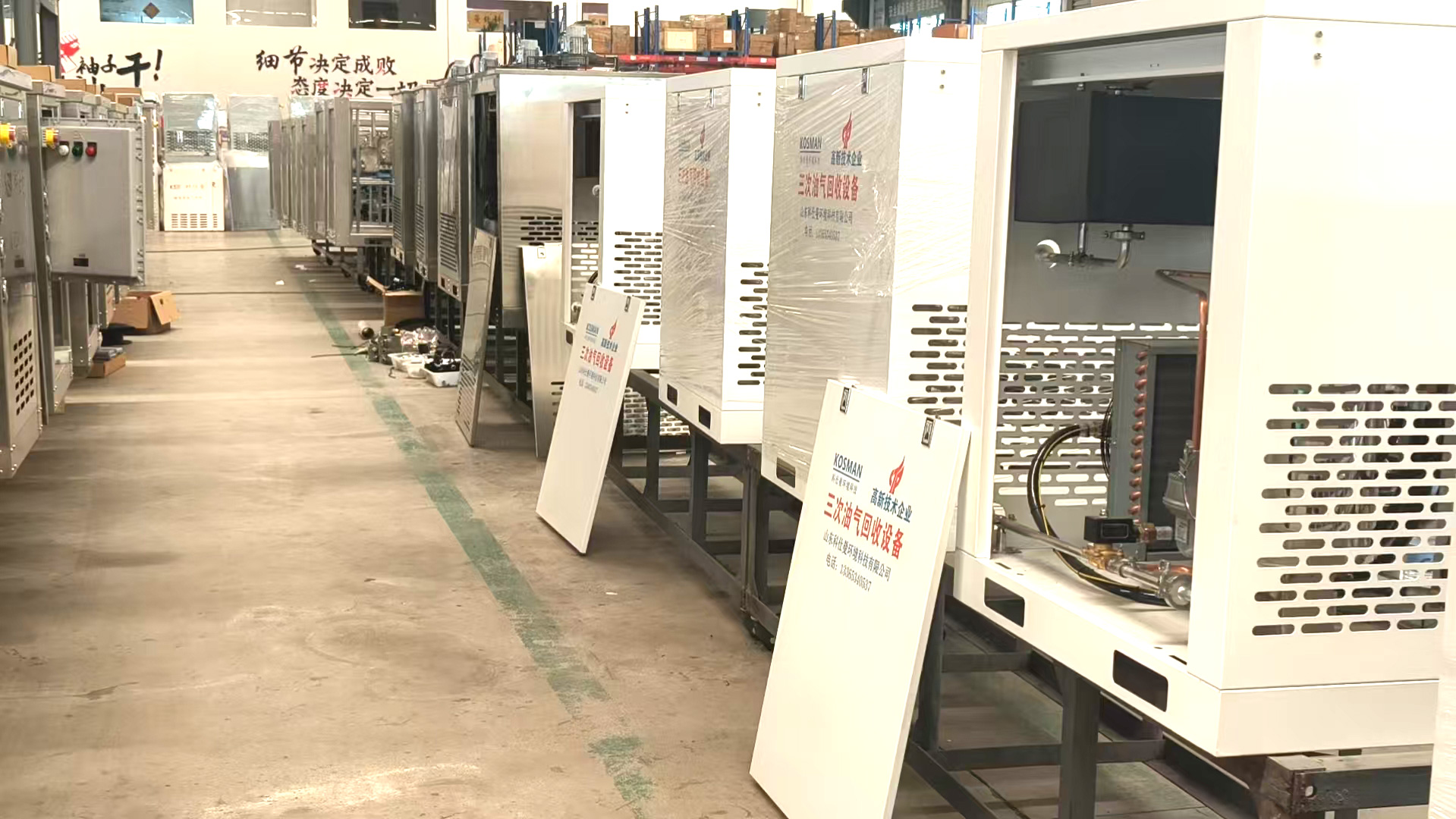
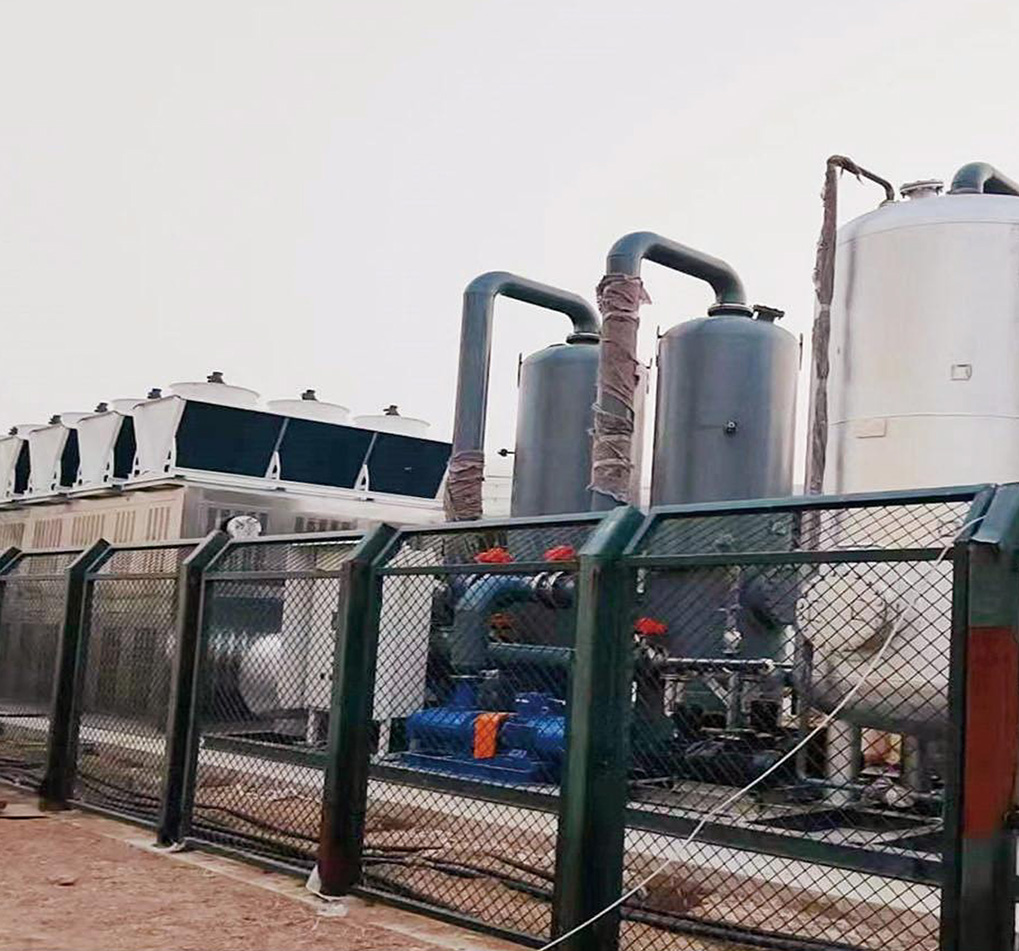
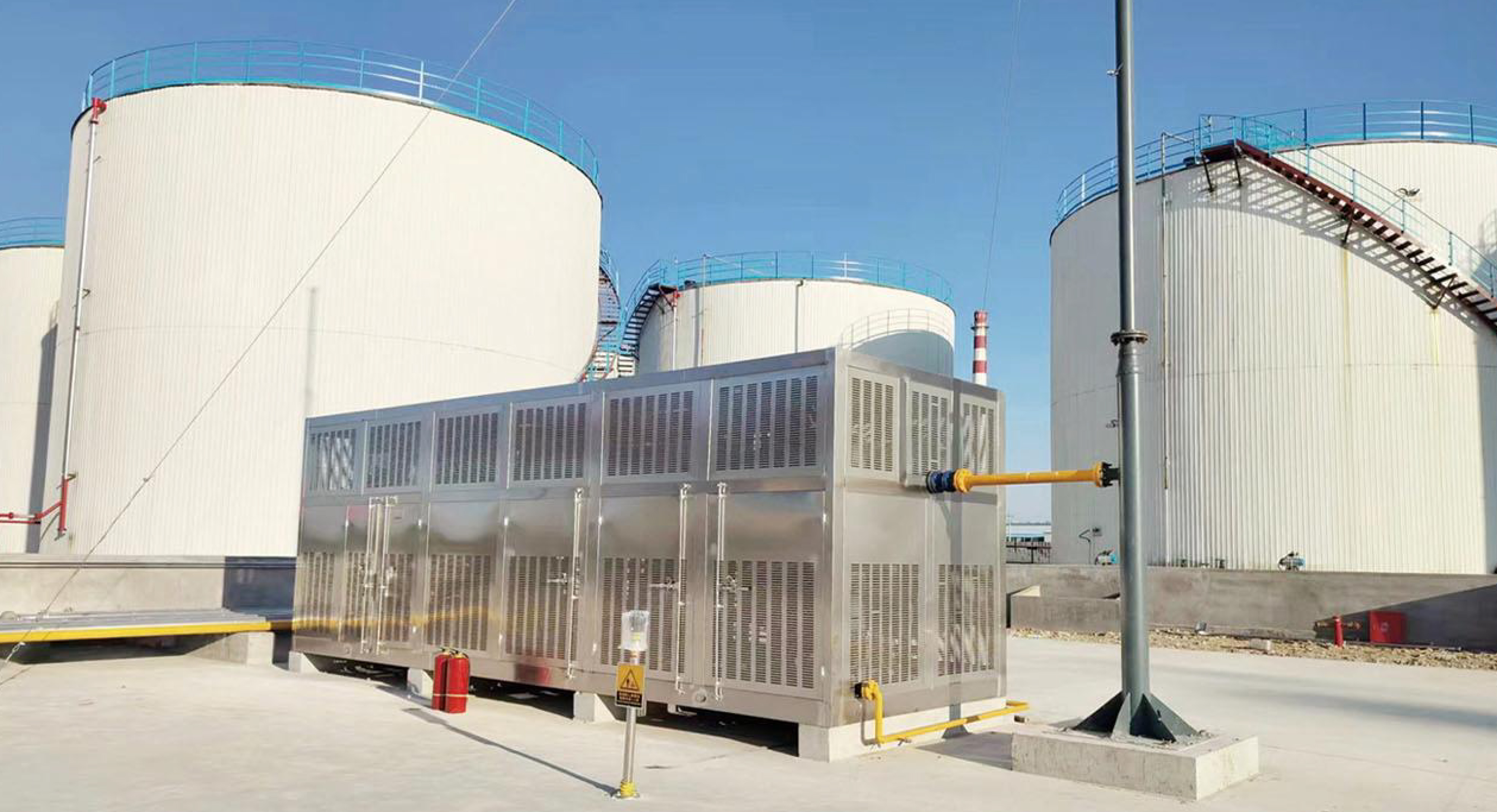
一般反应釜的氯化氢废气通过真空泵直接接到冷凝回收装置,入口法兰连接即可,整个冷凝回收装置采用撬装式设计,设备结构紧凑占地面积小,实用性高,可根据业主使用位置灵活布局,同时冷凝回收装置自动化程度较高,可根据业主的实际要求配置不同的废气治理方案,满足个性化业主的定制要求,设备采用PLC自动化控制,实现了24小时无人值守自动化运行,可根据废气排放管线压力控制制冷系统启停,减小废气治理设备运行功耗。
The hydrogen chloride waste gas from the general reaction kettle is directly connected to the condensation and recovery device through a vacuum pump, and the inlet flange connection is sufficient. The entire condensation and recovery device adopts a modular design, with a compact equipment structure, small footprint, and high practicality. It can be flexibly arranged according to the owner's usage location. At the same time, the automation level of the condensation and recovery device is high, and different waste gas treatment plans can be configured according to the owner's actual requirements to meet the personalized owner's customization requirements. The equipment adopts PLC automation control, achieving 24-hour unmanned automatic operation. The refrigeration system can be started and stopped according to the pressure of the waste gas discharge pipeline, reducing the power consumption of the waste gas treatment equipment operation.
想要低功耗、高效率回收氯化氢治理废气,首先要明确氯化氢物质的物理性质,确定好尾气的冷凝温度。
To achieve low-power and high-efficiency recovery of hydrogen chloride for waste gas treatment, it is necessary to first clarify the physical properties of the hydrogen chloride substance and determine the condensation temperature of the exhaust gas.
一、在工艺设计中如何确定冷凝的温度呢?下面我们鑫蓝环保分别列举高浓度和低浓度的氯化氢气体工况。
1、 How to determine the condensation temperature in process design Below, Xinlan Environmental Protection lists the operating conditions of high concentration and low concentration hydrogen chloride gas.
1、高浓度的氯化氢气体取500000mg/m为例。气体成分高浓度氯化氢气体浓度以500000mg/m为例处理效率取95%气体压力取120KPa所需冷凝温度-135℃ 通过化工软件模拟可以知道,500000mg/m这个浓度,压力在120KPa下,要将氯化氢液化95%以上,需要将气体冷凝到-5℃以下。
1. High concentration hydrogen chloride gas at 500000mg/m For example. Is the concentration of high concentration hydrogen chloride gas in the gas composition 500000mg/m For example, with a processing efficiency of 95% and a gas pressure of 120KPa, the required condensation temperature is -135 ℃ Through chemical software simulation, it can be known that 500000mg/m At this concentration and pressure of 120KPa, to liquefy hydrogen chloride to over 95%, the gas needs to be condensed to below -5 ℃.
2、低浓度的氯化氢气体取10000mg/m为例。气体成分低浓度氯化氢气体浓度以10000mg/m为例处理效率取95%气体压力取120KPa所需冷凝温度-165℃ 通过化工软件模拟计算可以知道,10000mg/m这个浓度,压力在120KPa下,要将氯化氢液化95%以上,需要将气体冷凝到-165℃以下。
2. Low concentration hydrogen chloride gas at 10000mg/m For example. Gas composition: Low concentration hydrogen chloride gas concentration at 10000mg/m For example, if the processing efficiency is set to 95% and the gas pressure is set to 120KPa, the required condensation temperature is -165 ℃ Through chemical software simulation calculations, it can be known that 10000mg/m At this concentration and pressure of 120KPa, to liquefy hydrogen chloride to over 95%, the gas needs to be condensed to below -165 ℃.
二、哪些情况适合用冷凝法呢?
2、 What situations are suitable for using condensation method
1、高浓度2、低风量3、无法直接采用RCO或RTO燃烧的气体治理工艺适用工况处理效率特点冷凝风量:低
1. High concentration 2, low air volume 3, unable to directly use RCO or RTO combustion gas treatment process applicable working conditions processing efficiency characteristics Condensation air volume: low
浓度:高冷凝处理99%+
Concentration: High condensation treatment of 99%+
1%达标排放1、低温低压,安全性更高
1% compliant emissions 1. Low temperature and pressure, higher safety
2、可回收有机物,有经济价值
2. Recyclable organic matter with economic value
3、工艺简单,制作周期短,易做成撬装、易操作安装、适合搭配其他工艺
3. Simple process, short production cycle, easy to pry and install, suitable for pairing with other processes
4、一次性投入高,运行费用低冷凝+吸附风量:低
4. High one-time investment, low operating costs. Condensation and adsorption air volume: low
浓度:高冷凝处理95%
Concentration: High Condensation Treatment 95%
+吸处理5%VOC废气经过冷凝处理,大部分被液化回收,剩余少量气体进入吸附装置处理。可降低前端冷凝装置的工况负荷,从而降低成本,还能保证排放达标。吸附脱附+冷凝风量:高
+The 5% VOC exhaust gas is treated by condensation, and most of it is liquefied and recovered. The remaining small amount of gas enters the adsorption device for treatment. It can reduce the operating load of the front-end condensing device, thereby lowering costs and ensuring emissions meet standards. Adsorption desorption+condensation air volume: high
浓度:低1、冷凝处理99%
Concentration: Low 1, condensation treatment 99%
+1%稀释排放
+1% diluted emissions
2、冷凝处理99%
2. Condensation treatment 99%
+5%返回前端吸附风量偏大的气体,直接用冷凝工艺,投资会偏大,可以通过吸附脱附浓缩技术,将大风量的气体浓缩后,转化为低风量、高浓度的气体,再进入冷凝液化系统,这样可节约成本。三、哪些区域,冷凝装置运行效果优越?
+5% of the gas with a high adsorption air volume can be directly condensed using a condensation process, which will result in higher investment. Adsorption desorption concentration technology can be used to concentrate the high air volume gas and convert it into low air volume, high concentration gas before entering the condensation liquefaction system, which can save costs. 3、 Which areas have superior performance of condensing devices
1、生产投放区:拉缸、搅拌反应釜溶剂挥发损耗;
1. Production and deployment area: Loss of solvent evaporation in the drum and stirring reaction kettle;
2、化学储罐区:排空阀门的呼吸挥发损耗;
2. Chemical storage tank area: respiratory volatilization loss of emptying valves;
3、装卸转运区:槽车排空呼吸挥发损耗;
3. Loading and unloading transfer area: tank truck emptying, breathing, volatilization loss;
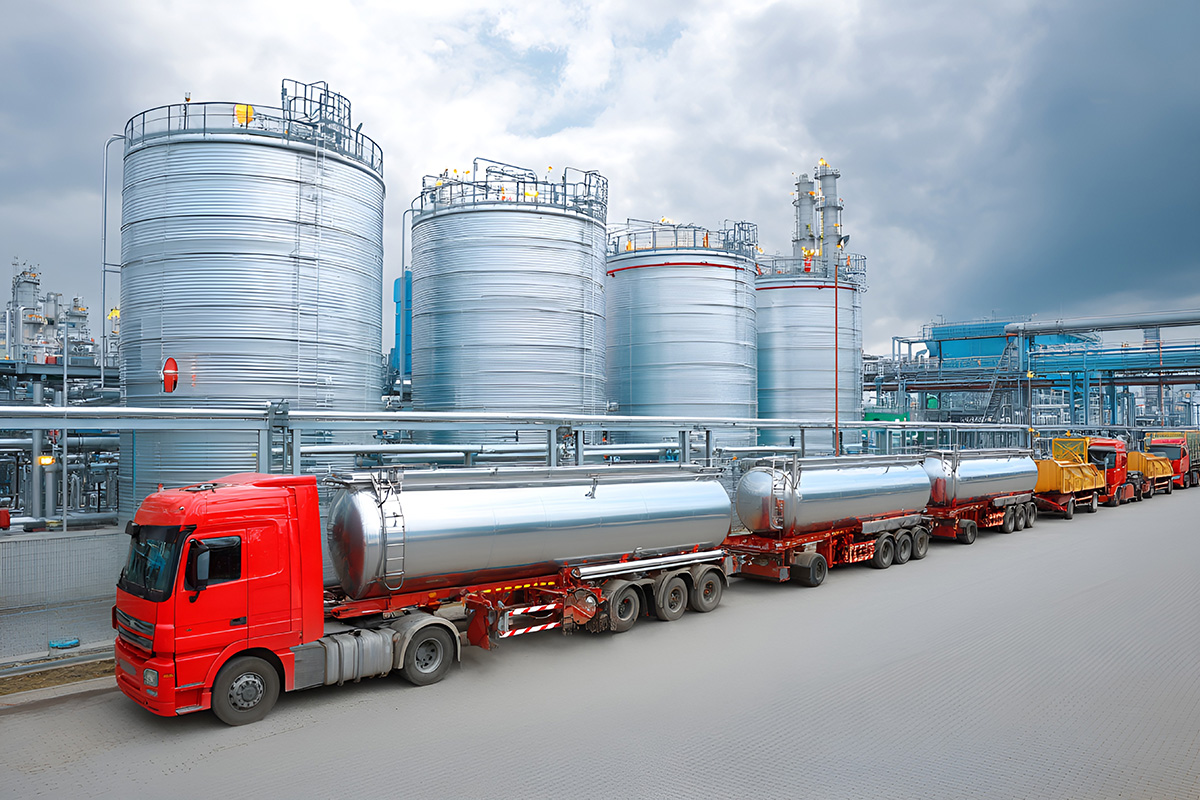
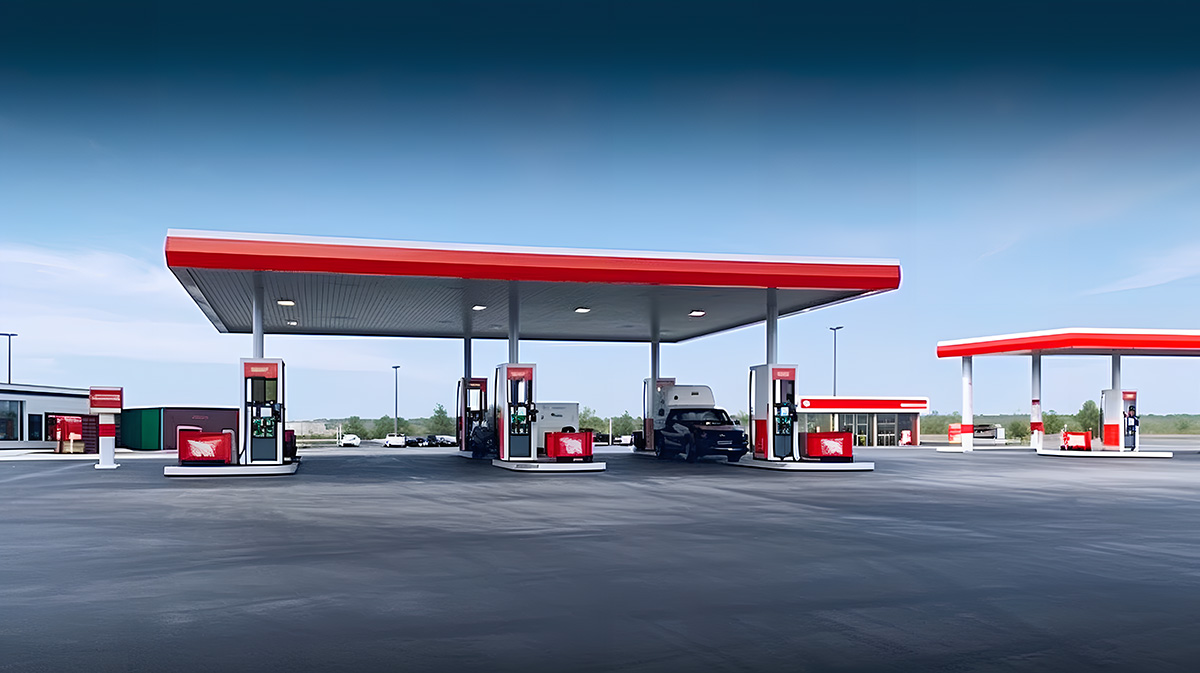
4、各种挥发性化学品装车、化学品储运、化工制药行业所产生的各种挥发性VOCS气体的回收。
4. The recovery of various volatile VOCs gases generated from the loading, storage, and transportation of volatile chemicals in the chemical and pharmaceutical industries.
四、哪些情况适合用冷凝法呢?
What situations are suitable for using condensation method
1、高浓度2、低风量3、无法直接采用RCO或RTO燃烧的气体
1. High concentration 2. Low air volume 3. Gas that cannot be directly burned with RCO or RTO
冷凝回收的有机废气种类较多如:苯类、酮类、醇类、酯类、烷类、烯类、醚类有机废气冷凝回收,其他VOCs:DMF、醛类、乙腈、丙腈、戊腈、溶剂油、汽油。
There are many types of organic waste gases that can be condensed and recovered, such as benzene, ketones, alcohols, esters, alkanes, alkenes, and ethers. Other VOCs include DMF, aldehydes, acetonitrile, acrylonitrile, pentanitrile, solvent oil, and gasoline.
本文由 冷凝尾气处理设备 友情奉献.更多有关的知识请点击 http://www.kosman.com.cn/ 真诚的态度.为您提供为全面的服务.更多有关的知识我们将会陆续向大家奉献.敬请期待.
This article is a friendly contribution from condensing exhaust gas treatment equipment For more related knowledge, please click http://www.kosman.com.cn/ Sincere attitude To provide you with comprehensive services We will gradually contribute more relevant knowledge to everyone Coming soon.
地址:山东省菏泽市成武县经济开发区机电产业园钢架结构单层5号
 【微信二维码】
  留言咨询
留言咨询Adopting different technology and process control schemes
 鲁公网安备 337172302372103号