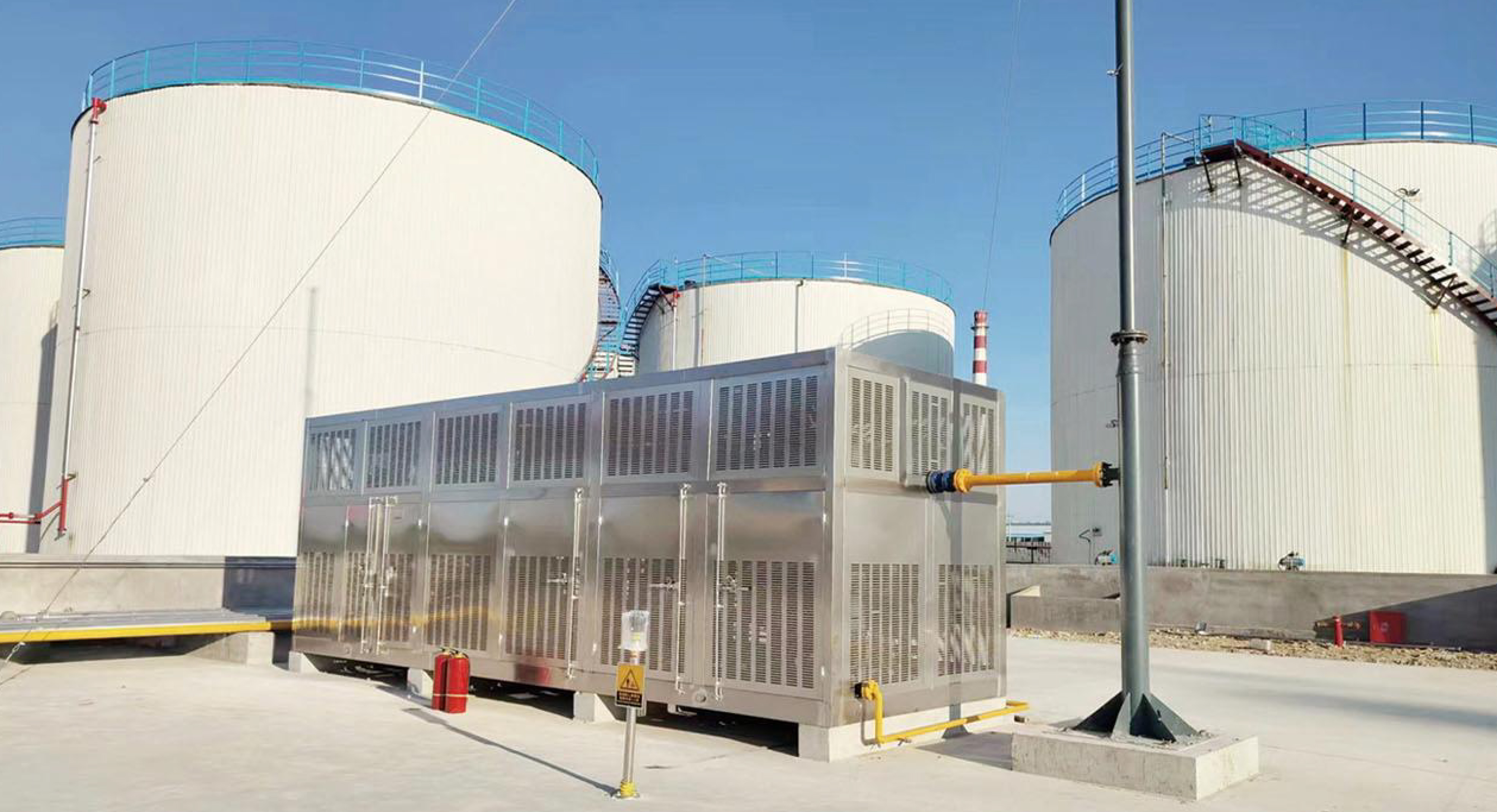
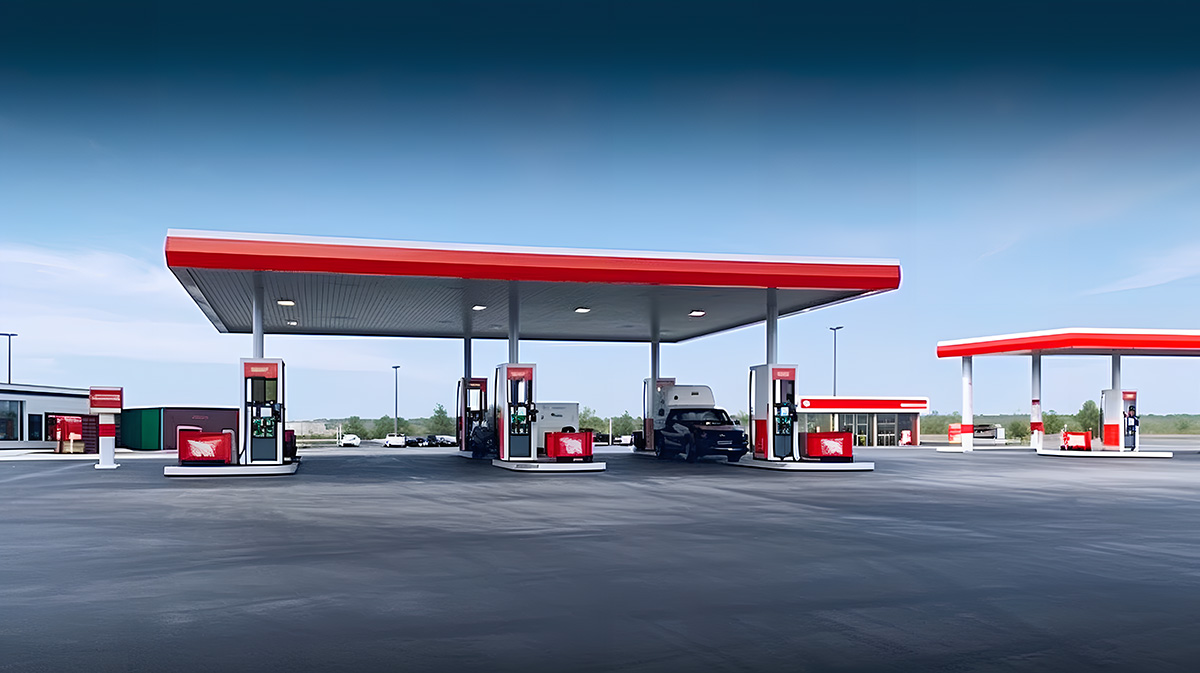
VOCs挥发气回收设备:常用 VOCs 治理技术、优缺点对比以及设备投资、运行成本汇总!
对于废气治理达标排放,企业该如何选用末端治理?末端治理即建设高效治理设施,推进污染设施升级改造,实行重点排放源排放浓度与去除效率双重控制。
How should companies choose end-point treatment for meeting emission standards in exhaust gas treatment? End of pipe treatment refers to the construction of efficient treatment facilities, the promotion of pollution facility upgrading and transformation, and the implementation of dual control of emission concentration and removal efficiency from key emission sources.
一般优先选用回收技术,可通过冷凝、吸附再生等处理,进行回收利用;难以回收的,可采用燃烧、吸附浓缩+燃烧等技术进行销毁。
Generally, recycling technology is preferred, which can be treated through condensation, adsorption regeneration, etc. for recycling and utilization; Difficult to recycle, combustion, adsorption concentration+combustion and other technologies can be used for destruction.
常用 VOCs 末端治理技术
Common VOCs End of pipe Treatment Technologies
企业在进行技术选择时,应结合排放废气的浓度、组分、风量、温度、湿度、压力以及生产工况等,合理选择VOCs末端治理技术。实际应用中,企业一般采用多种技术的组合工艺,提高VOCs治理效率。
When enterprises make technology choices, they should consider the concentration, composition, air volume, temperature, humidity, pressure, and production conditions of the emitted exhaust gas, and reasonably choose VOCs end of pipe treatment technologies. In practical applications, enterprises generally adopt a combination of multiple technologies to improve the efficiency of VOCs treatment.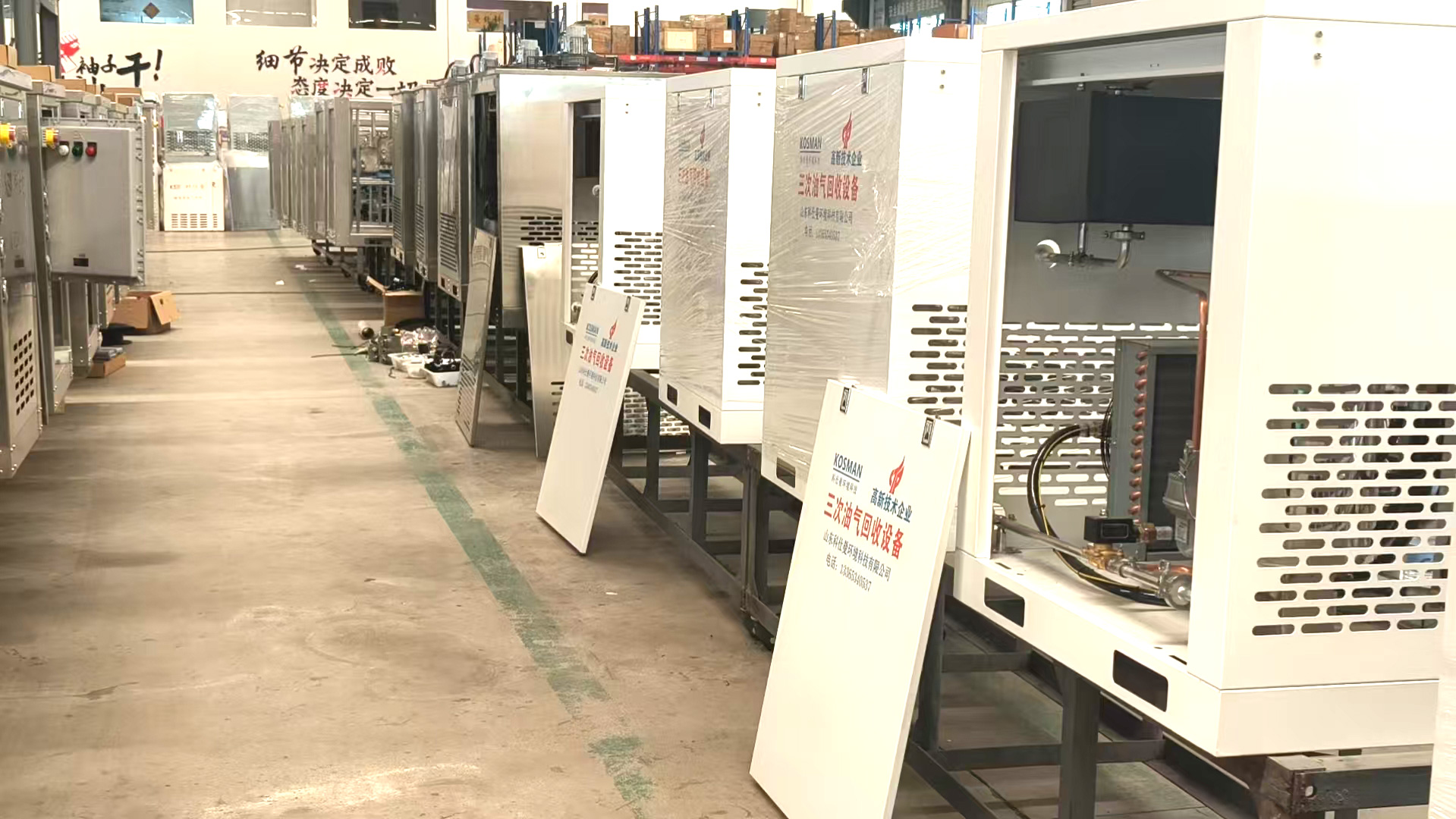
“对低浓度、大风量废气,宜采用活性炭吸附、沸石转轮吸附、减风增浓等浓缩技术,提高VOCs 浓度后净化处理;
For low concentration and high air volume exhaust gases, it is advisable to use concentration technologies such as activated carbon adsorption, zeolite rotary adsorption, and wind reduction and concentration enhancement to purify and treat VOCs after increasing their concentration;
对高浓度废气,优先进行溶剂回收,难以回收的,宜采用高温焚烧、催化燃烧等技术。
For high concentration exhaust gases, solvent recovery should be prioritized. For those that are difficult to recover, high-temperature incineration, catalytic combustion, and other technologies should be used.
油气(溶剂)回收宜采用冷凝+吸附、吸附+吸收、膜分离+吸附等技术。
Oil and gas (solvent) recovery should adopt technologies such as condensation+adsorption, adsorption+absorption, membrane separation+adsorption, etc.
水溶性、酸碱 VOCs 废气一般选用多级化学吸收等处理技术,恶臭类废气还应进一步加强除臭处理。
Water soluble and acid-base VOCs waste gases are generally treated using multi-stage chemical absorption techniques, while odorous waste gases should further strengthen deodorization treatment.
低温等离子、光催化、光氧化技术主要适用于恶臭异味等治理;
Low temperature plasma, photocatalysis, and photocatalytic oxidation technologies are mainly suitable for the treatment of odors and odors;
生物法主要适用于低浓度 VOCs 废气治理和恶臭异味治理。
Biological methods are mainly applicable for the treatment of low concentration VOCs waste gas and the treatment of odors and unpleasant odors.
采用一次性活性炭吸附技术的,应定期更换活性炭,废旧活性炭应再生或处理处置。
For those who use disposable activated carbon adsorption technology, the activated carbon should be replaced regularly, and waste activated carbon should be regenerated or disposed of.
几种典型 VOCs 组合处理技术介绍
Introduction to several typical VOCs combination treatment technologies
(1)VOCs循环脱附分流回收吸附技术该技术
(1) VOCs cycle desorption diversion recovery adsorption technology
采用活性炭作为吸附剂,采用惰性气体循环加热脱附分流冷凝回收的工艺对有机气体进行净化和回收。回收液通过后续的精制工艺可实现有机物的循环利用。工艺原理示意图如下:
The purification and recovery of organic gases are carried out using activated carbon as an adsorbent and an inert gas cycle heating desorption split flow condensation recovery process. The recycled liquid can achieve the recycling of organic matter through subsequent refining processes. The schematic diagram of the process principle is as follows:
VOCs 循环脱附分流回收吸附工艺原理示意图
Schematic diagram of VOCs cycle desorption, diversion recovery and adsorption process principle
整个系统由来气预处理、吸附、循环加热脱附、冷凝回收和自动控制等主要部分构成。含VOCs的气体通过预处理后进入吸附段吸附后达标排放,吸附段通常并联设置有吸附罐并通过切换阀控制实现气体的连续吸附操作。吸附到设定程度的吸附罐通过切换阀切换形成再生循环回路。循环回路可通过充入惰性气体置换系统内气体的方式减少气相中的含氧量,从而减少再生过程中某些类型溶剂的氧化副产物的生成。通过循环风机和加热器可形成循环气流加热吸附罐进行脱附,同时通过分流冷凝系统冷凝回收溶剂。
The entire system consists of main components such as gas pretreatment, adsorption, cyclic heating desorption, condensation recovery, and automatic control. After pre-treatment, gases containing VOCs enter the adsorption section for adsorption and meet emission standards. The adsorption section is usually equipped with adsorption tanks in parallel and controlled by a switching valve to achieve continuous gas adsorption operation. The adsorption tank, which has reached the set level of adsorption, forms a regeneration cycle circuit by switching the valve. The circulation loop can reduce the oxygen content in the gas phase by injecting inert gas to replace the gas in the system, thereby reducing the generation of oxidation by-products of certain types of solvents during the regeneration process. A circulating airflow can be formed through a circulating fan and heater to heat the adsorption tank for desorption, while the solvent is condensed and recovered through a split flow condensation system.
目前该技术成熟、稳定,可实现自动化运行。单位投资大致为9-24万元/千(m3/h),回收的有机物成本700-3000元/t。对有机气体成分的净化回收效率一般大于90%,也可达95%以上。适用于石油,化工及制药工业,涂装、印刷、涂布,漆包线、金属及薄膜除油,食品,烟草,种子油萃取工业,及其他使用有机溶剂或C4-C12 石油烃的工艺过程。
At present, the technology is mature and stable, and can achieve automated operation. The unit investment is roughly 90000 to 240000 yuan per thousand (m3/h), and the cost of recovering organic matter is 700-3000 yuan per ton. The purification and recovery efficiency of organic gas components is generally greater than 90%, and can also reach over 95%. Suitable for the petroleum, chemical, and pharmaceutical industries, painting, printing, coating, enameled wire, metal and film degreasing, food, tobacco, seed oil extraction industries, and other processes that use organic solvents or C4-C12 petroleum hydrocarbons.
(2)高效吸附-脱附-燃烧 VOCs 治理技术
(2) Efficient adsorption desorption combustion VOCs treatment technology
该技术利用高吸附性能的活性碳纤维、颗粒炭、蜂窝炭和耐高温高湿整体式分子筛等固体吸附材料对工业废气中的 VOCs 进行富集,对吸附饱和的材料进行强化脱附工艺处理,脱附出的VOCs 进入高效催化材料床层进行催化燃烧或蓄热催化燃烧工艺处理,进而降解 VOCs。
This technology utilizes solid adsorption materials such as activated carbon fiber, granular carbon, honeycomb carbon, and high-temperature and high humidity resistant integral molecular sieve with high adsorption performance to enrich VOCs in industrial waste gas. The saturated adsorption materials are subjected to enhanced desorption process treatment, and the desorbed VOCs enter the high-efficiency catalytic material bed for catalytic combustion or thermal storage catalytic combustion process treatment, thereby degrading VOCs.
主要工艺流程包括预处理、吸附、脱附-燃烧三个阶段。
The main process flow includes three stages: pretreatment, adsorption, desorption combustion.
①预处理:含 VOCs 废气在吸附净化前一般先经高效纤维过滤器或高效干湿复合过滤器过滤,对废气粉尘等进行拦截净化。
① Pre treatment: VOCs containing waste gas is generally filtered through high-efficiency fiber filters or high-efficiency wet dry composite filters before adsorption purification, to intercept and purify waste gas dust and other pollutants.
②吸附阶段:去除尘杂后的废气,经合理布风,使其均匀地通过固定吸附床内的吸附材料层过流断面,在一定停留时间内,由于吸附材料表面与有机废气分子间相互作用发生物理吸附,废气中的有机成份吸附在活性炭表面积,使废气得到净化;实际应用中,净化装置一般设置两台以上吸附床,以确保一台处于脱附再生或备用,保证吸附过程连续性,不影响实际生产。
② Adsorption stage: After removing dust and impurities, the exhaust gas is evenly distributed through the flow cross-section of the adsorption material layer in the fixed adsorption bed through reasonable air distribution. Within a certain residence time, physical adsorption occurs due to the interaction between the adsorption material surface and the organic waste gas molecules. The organic components in the exhaust gas are adsorbed on the surface area of the activated carbon, purifying the exhaust gas; In practical applications, purification devices are generally equipped with two or more adsorption beds to ensure that one is in desorption regeneration or standby mode, ensuring the continuity of the adsorption process and not affecting actual production.
③脱附-燃烧:达到饱和状态的吸附床应停止吸附转入脱附再生,脱附后的废气进入燃烧阶段,即 RTO或 RCO废气处理工艺。
③ Desorption combustion: When the adsorption bed reaches saturation, it should stop adsorption and switch to desorption regeneration. The desorbed exhaust gas enters the combustion stage, which is the RTO or RCO exhaust gas treatment process.
RCO 废气处理工艺原理示意图
Schematic diagram of RCO waste gas treatment process principle
催化燃烧技术(RCO)是利用催化剂做中间体,使有机气体在较低的温度下,变成无害的水和二氧化碳气体,即:
Catalytic combustion technology (RCO) uses catalysts as intermediates to transform organic gases into harmless water and carbon dioxide gases at lower temperatures, namely:
两种燃烧技术的去除率、达标能力是一致的,但也存在一些不同,见下表。
The removal rate and compliance ability of the two combustion technologies are consistent, but there are also some differences, as shown in the table below.
总的来说,RTO技术会产生二次污染,同时存在投资大、运行费用高、风险高等问题。RCO技术具有明显优势。
Overall, RTO technology generates secondary pollution, while also facing issues such as high investment, high operating costs, and high risks. RCO technology has significant advantages.
目前该技术成熟、稳定,可实现自动化运行。设备投资基本上是200~300万元(以处理风量为50000m3/h),运行费用30~50万元,主体设备寿命10~15年。VOCs去除效率一般大于95%,可达98%以上。在石油、化工、电子、机械、涂装等行业大风量、低浓度或浓度不稳定的有机废气治理中得到应用。
At present, the technology is mature and stable, and can achieve automated operation. The equipment investment is basically 2 to 3 million yuan (with a processing air volume of 50000 m3/h), the operating cost is 300000 to 500000 yuan, and the service life of the main equipment is 10 to 15 years. The removal efficiency of VOCs is generally greater than 95%, and can reach over 98%. It has been applied in the treatment of organic waste gases with high air volume, low concentration, or unstable concentration in industries such as petroleum, chemical, electronics, machinery, and painting.
(3)冷凝与变压吸附联用 VOCs治理技术
(3) Condensation and pressure swing adsorption combined VOCs treatment technology
该技术采用多级冷凝技术,使废气的有机成分在常压下凝结成液体析出,经净化后的废气进入吸附器进一步吸附富集,同时确保达标排放。吸附饱和后的吸附剂(活性炭、沸石等)等采用负压脱附方式再生吸附剂,并将高浓度 VOCs 送回前端冷凝装置。
This technology adopts multi-stage condensation technology to condense the organic components of the exhaust gas into liquid under normal pressure, and the purified exhaust gas enters the adsorber for further adsorption and enrichment, while ensuring compliance with emission standards. After adsorption saturation, adsorbents such as activated carbon and zeolite are regenerated using negative pressure desorption, and high concentration VOCs are sent back to the front-end condensation device.
冷凝与变压吸附工艺原理示意图
Schematic diagram of condensation and pressure swing adsorption process principle
工艺流程主要包括冷凝和吸附两大单元。冷凝单元一般设置三级冷凝,第一级从常温冷凝到3℃、第二级从3℃冷凝到-35℃、第三级从-35℃冷凝到-70℃。第三级的冷凝余气返回第一级前面的前置换热器,冷量回用,将进入回收处理装置的含VOCs废气预冷,有节能效果。吸附单元一般配置吸附罐两只和脱附真空泵一台,以及用于切换吸附脱附的电动或气动阀门若干。真空泵还需要配备冷却系统。
The process flow mainly includes two major units: condensation and adsorption. The condensation unit is generally equipped with three-stage condensation, with the first stage condensing from room temperature to 3 ℃, the second stage condensing from 3 ℃ to -35 ℃, and the third stage condensing from -35 ℃ to -70 ℃. The condensed residual gas from the third stage is returned to the pre heat exchanger in front of the first stage, and the cooling capacity is reused to pre cool the VOCs containing waste gas entering the recovery and treatment device, which has energy-saving effect. The adsorption unit is generally equipped with two adsorption tanks, one desorption vacuum pump, and several electric or pneumatic valves for switching adsorption and desorption. The vacuum pump also needs to be equipped with a cooling system.
冷凝与吸附联用技术能够克服单纯冷凝技术在应用过程中能耗大、运行成本高的现象,同时弥补单纯吸附技术在应用过程中,设备体积大、吸附温升对安全运行有影响、长期运行吸附材料易失活等问题。单位投资大致为0.4-0.8万/m3,单位小时运行成本为0.08-0.2元/m3。净化效率一般大于98%。主要适用于石油化工、有机化工、油气储运等行业。主要适用于储油库、炼油厂、石油化工厂等成品油/化工品装车油气回收;液体储罐呼吸气 VOCs 治理;油品、化工品码头装船油气回收。
The combination of condensation and adsorption technology can overcome the phenomenon of high energy consumption and operating costs in the application process of simple condensation technology, while also compensating for the problems of large equipment volume, impact of adsorption temperature rise on safe operation, and easy deactivation of adsorption materials during long-term operation of simple adsorption technology. The unit investment is approximately 0.4-0.08 million/m3, and the hourly operating cost is 0.08-0.2 yuan/m3. The purification efficiency is generally greater than 98%. Mainly applicable to industries such as petrochemicals, organic chemicals, and oil and gas storage and transportation. Mainly suitable for oil and gas recovery of finished oil/chemical products loaded onto trucks in oil storage tanks, refineries, petrochemical plants, etc; Treatment of VOCs in liquid storage tank breathing gas; Oil and gas recovery from loading at oil and chemical terminals.
(4)沸石转轮与蓄热燃烧VOCs治理技术
(4) Zeolite Wheel and Thermal Storage Combustion VOCs Treatment Technology
该技术采用高浓缩倍率沸石转轮设备将废气浓度浓缩 5-20倍,富集的废气进入燃烧炉或催化炉(RTO/RCO)进行燃烧处理,VOCs 被彻底分解成 CO2 和 H2O。同时反应后的高温烟气进入特殊结构的陶瓷蓄热体,80-95%以上的热量被蓄热体吸收,使得出口气体温度降至接近进口温度。不同蓄热体通过切换阀或者旋转装置随时间进行转换,分别进行吸热和放热,对系统热量进行有效回收和利用。
This technology uses a high concentration ratio zeolite rotary equipment to concentrate the exhaust gas concentration by 5-20 times. The enriched exhaust gas enters the combustion furnace or catalytic furnace (RTO/RCO) for combustion treatment, and VOCs are completely decomposed into CO2 and H2O. At the same time, the high-temperature flue gas after the reaction enters the specially structured ceramic heat storage body, and more than 80-95% of the heat is absorbed by the heat storage body, causing the outlet gas temperature to drop to near the inlet temperature. Different thermal storage bodies are converted over time through switching valves or rotating devices, respectively absorbing and releasing heat, effectively recovering and utilizing system heat.
沸石转轮吸附浓缩+蓄热式燃烧工艺流程示意图
Schematic diagram of zeolite rotary adsorption concentration+regenerative combustion process flow
工艺流程主要由沸石转轮浓缩(吸附区域、脱附区域、冷却区域)、脱附系统、蓄热式燃烧系统(RTO炉体、陶瓷蓄热体、燃烧系统等)及控制系统等部分组成。
The process flow mainly consists of zeolite wheel concentration (adsorption zone, desorption zone, cooling zone), desorption system, regenerative combustion system (RTO furnace body, ceramic regenerative body, combustion system, etc.), and control system.
①吸附脱附:沸石分子筛转轮分为吸附区、脱附区和冷却区三个功能区域,沸石分子筛转轮吸附浓缩系统利用吸附-脱附-冷却这一连续性过程,对VOCs废气进行吸附浓缩。首先,废气进入沸石分子筛转轮的吸附区,VOCs被沸石分子筛吸附除去,被净化后排出。吸附在分子筛转轮中的VOCs,在脱附区经过约200℃小风量的热风处理而被脱附、浓缩。再生后的沸石分子筛转轮在冷却区被冷却,如此反复。
① Adsorption and desorption: The zeolite molecular sieve rotary wheel is divided into three functional areas: adsorption zone, desorption zone, and cooling zone. The zeolite molecular sieve rotary wheel adsorption and concentration system utilizes the continuous process of adsorption desorption cooling to adsorb and concentrate VOCs waste gas. Firstly, the exhaust gas enters the adsorption zone of the zeolite molecular sieve wheel, and VOCs are adsorbed and removed by the zeolite molecular sieve, purified and discharged. The VOCs adsorbed in the molecular sieve impeller are desorbed and concentrated in the desorption zone after being treated with a small amount of hot air at about 200 ℃. The regenerated zeolite molecular sieve wheel is cooled in the cooling zone, and this process is repeated.
②蓄热式燃烧:脱附后的高浓度小风量废气进入蓄热式燃烧处理系统,首先进入蓄热室 A 的陶瓷介质层,陶瓷释放热量,温度降低,而有机废气吸收热量,温度升高,废气离开蓄热室后以较高的温度进入氧化室。在氧化室中,有机废气由燃烧器加热升温至设定的氧化温度800℃以上,使其中的VOCs分解成二氧化碳和水后排放。
② Regenerative combustion: The high concentration and low air volume exhaust gas after desorption enters the regenerative combustion treatment system. Firstly, it enters the ceramic medium layer of the regenerative chamber A. The ceramic releases heat and the temperature decreases, while the organic exhaust gas absorbs heat and the temperature increases. After leaving the regenerative chamber, the exhaust gas enters the oxidation chamber at a higher temperature. In the oxidation chamber, organic waste gas is heated by a burner to a set oxidation temperature of over 800 ℃, causing VOCs to decompose into carbon dioxide and water before being discharged.
③废气流经蓄热室A升温后进入氧化室氧化,净化后的高温气体离开氧化室,进入蓄热室B,释放热量,降温排出,而蓄热室B吸收大量热量后升温,同时清扫蓄热室C。循环完成后,进气与出气阀门进行一次切换,进入下一个循环,废气由蓄热室B进入,蓄热室C排出,清扫蓄热室A。如此交替。由于废气已在蓄热室内预热,燃料耗量大为减少,运行成本大大降低。
③ After the exhaust gas flows through the heat storage chamber A and is heated up, it enters the oxidation chamber for oxidation. The purified high-temperature gas leaves the oxidation chamber and enters the heat storage chamber B, releasing heat and cooling down before being discharged. The heat storage chamber B absorbs a large amount of heat and heats up while cleaning the heat storage chamber C. After the cycle is completed, the inlet and outlet valves are switched once to enter the next cycle. The exhaust gas enters from the heat storage chamber B, the heat storage chamber C is discharged, and the heat storage chamber A is cleaned. This process alternates. Due to the preheating of exhaust gas in the heat storage chamber, fuel consumption is greatly reduced and operating costs are greatly reduced.
目前技术成熟、稳定,可实现自动化运行。单位投资大致为9-24万元/千(m3/h),回收的有机物成本700-3000元/t。热回收效率可达90-95%,处理效率可达95-99%。主要适用于有机化工、石油化工、涂装、印刷等行业及大风量低浓度行业。
At present, the technology is mature and stable, and can achieve automated operation. The unit investment is approximately 90000 to 240000 yuan per thousand (m3/h), and the cost of recovering organic matter is 700-3000 yuan per ton. The heat recovery efficiency can reach 90-95%, and the treatment efficiency can reach 95-99%. Mainly suitable for industries such as organic chemicals, petrochemicals, painting, printing, as well as high air volume and low concentration industries.
(5)低浓度多组分工业废气生物净化技术
(5) Low concentration multi-component industrial waste gas biological purification technology
该技术利用高效复合功能菌剂与扩培技术,强化废气生物净化的反应过程,针对不同类型废气应用新型的生物净化工艺,强化废气生物净化的传质过程,装填具有高比表面积和生物固着力的生物填料,解决微生物附着难、系统运行不稳定的问题。
This technology utilizes efficient composite functional microbial agents and expansion techniques to enhance the reaction process of biological purification of waste gas. New biological purification processes are applied for different types of waste gas to strengthen the mass transfer process of biological purification of waste gas. Biological fillers with high specific surface area and biological fixation force are loaded to solve the problems of difficult microbial attachment and unstable system operation.
低浓度多组分工业废气生物净化技术
Low concentration multi-component industrial waste gas biological purification technology
工艺流程以生物氧化为主、化学吸收为辅,主要通过生物处理去除废气中的绝大部分污染物,化学吸收单元则可在进气浓度发生异常时,为系统的稳定达标排放提供进一步保证。主体技术生物滴滤箱由滤床、营养液循环喷淋系统、参数控制系统等组成。废气进入生物箱体后,通过附着在填料上的微生物的代谢作用,废气中的污染物被降解为简单的无机物。其中,VOCs分解为CO2、H2O以及其他简单的无机物;含氮污染物中的氮元素转化为硝酸盐或氮气;含硫恶臭污染物中的硫元素转化为硫酸盐。
The process flow is mainly based on biological oxidation, supplemented by chemical absorption. The vast majority of pollutants in the exhaust gas are removed through biological treatment. The chemical absorption unit can provide further guarantee for the stable and compliant emissions of the system when the intake concentration is abnormal. The main technology of the biological drip filter box consists of a filter bed, nutrient solution circulation spray system, parameter control system, etc. After entering the biological chamber, the pollutants in the exhaust gas are degraded into simple inorganic substances through the metabolic process of microorganisms attached to the packing. Among them, VOCs decompose into CO2, H2O, and other simple inorganic substances; The nitrogen element in nitrogen-containing pollutants is converted into nitrate or nitrogen gas; The sulfur element in sulfur-containing odorous pollutants is converted into sulfates.
此项技术适用范围广,适用于低浓度多组分工业废气排放控制,与传统生物技术相比,拓宽了生物处理法的应用范围。运行管理方便,二次污染少。工程主体设备投资约为250万元,年运行费用约35万元。VOCs的去除率可达80-90%,对H2S的去除率可达95%以上。主要用于低浓度多组分工业废气的处理。
This technology has a wide range of applications and is suitable for controlling low concentration multi-component industrial waste gas emissions. Compared with traditional biotechnology, it broadens the application scope of biological treatment methods. Easy operation and management, with minimal secondary pollution. The investment in the main equipment of the project is about 2.5 million yuan, and the annual operating cost is about 350000 yuan. The removal rate of VOCs can reach 80-90%, and the removal rate of H2S can reach over 95%. Mainly used for the treatment of low concentration multi-component industrial waste gas.
本文由 VOCs挥发气回收设备 友情奉献.更多有关的知识请点击 http://www.kosman.com.cn/ 真诚的态度.为您提供为全面的服务.更多有关的知识我们将会陆续向大家奉献.敬请期待.
This article is a friendly contribution from VOCs volatile gas recovery equipment For more related knowledge, please click http://www.kosman.com.cn/ Sincere attitude To provide you with comprehensive services We will gradually contribute more relevant knowledge to everyone Coming soon.
地址:山东省菏泽市成武县经济开发区机电产业园钢架结构单层5号
 【微信二维码】
  留言咨询
留言咨询Adopting different technology and process control schemes
 鲁公网安备 337172302372103号