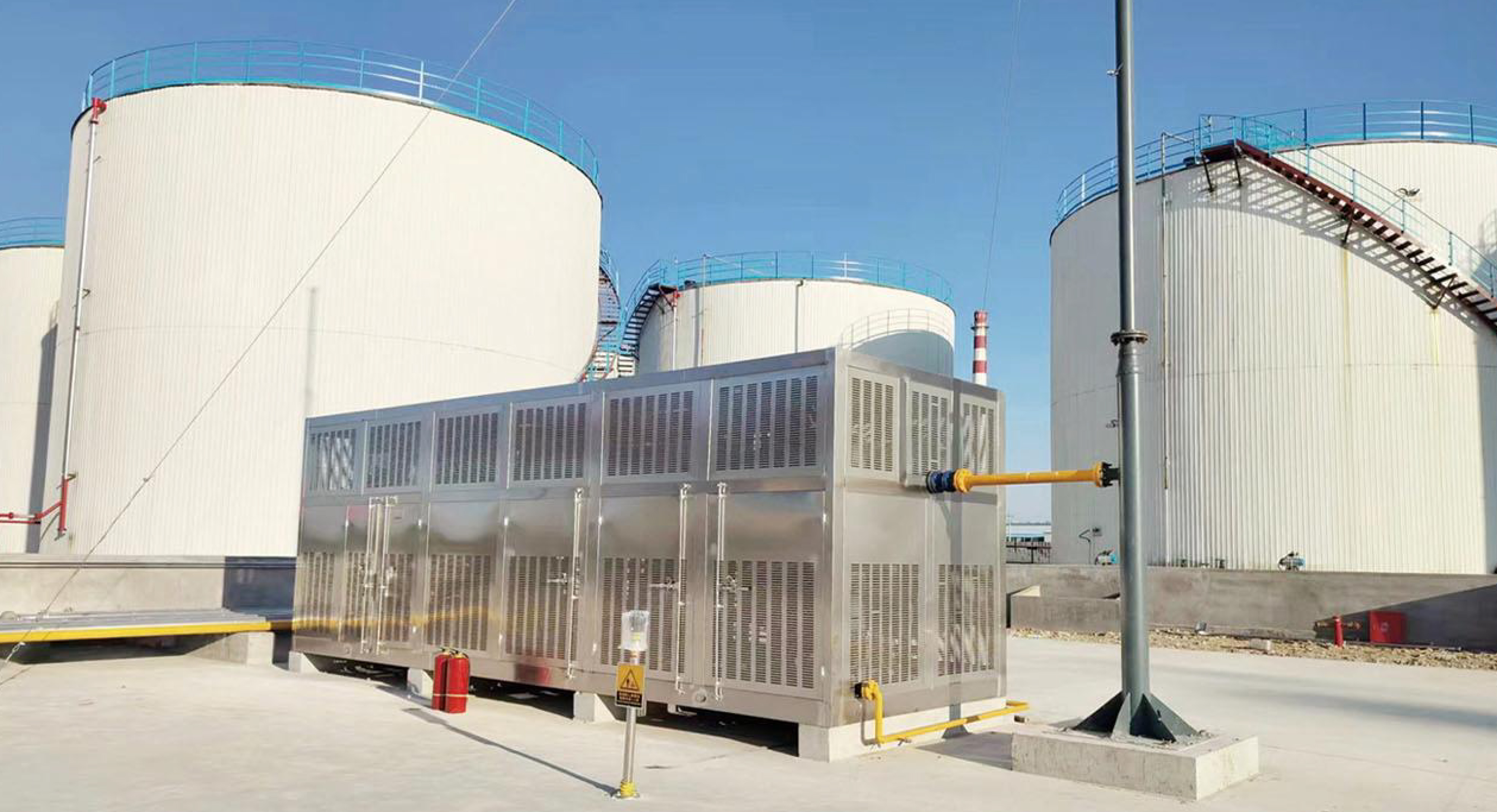
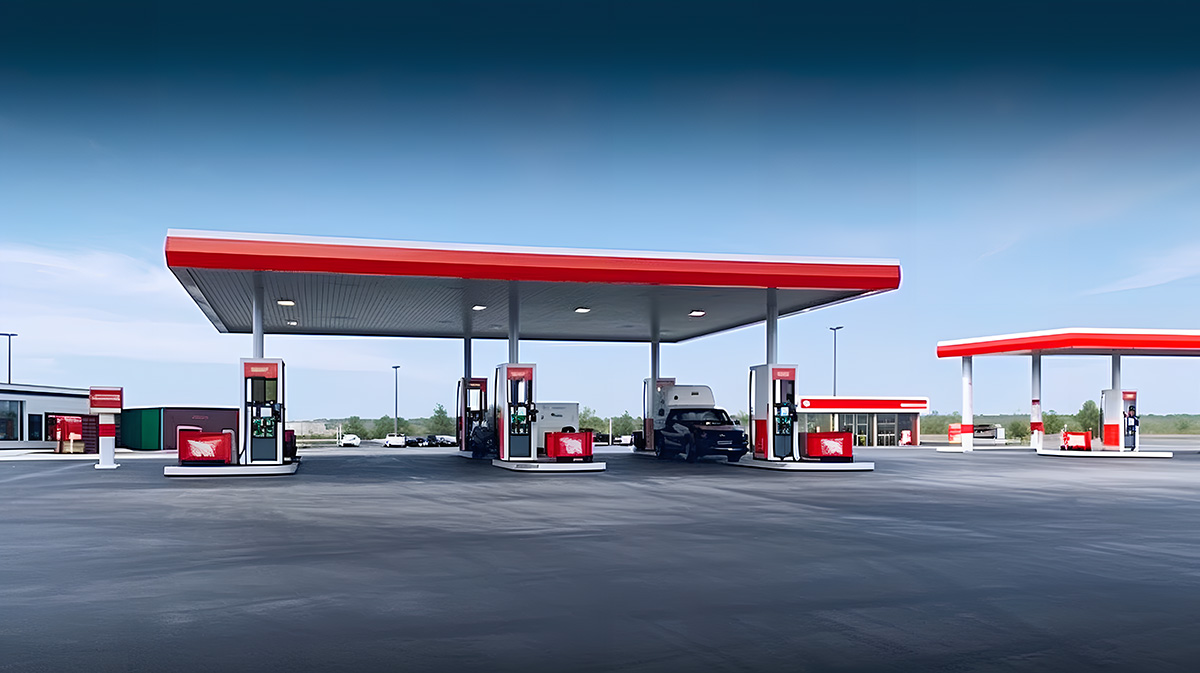
VOCs挥发气回收设备:吸附回收净化技术既解决污染问题又能创造可观的收益
大气环境问题日益严重,废气排放处理也越来越得到广泛的关注。VOCs(挥发性有机物)作为工业废气的主要组成部分,对大气环境和人体影响较大,同时因其来源及成分复杂,处理难度非常大。如何处理VOCs废气真是一大令人头疼的问题!有什么好方法呢?赶紧跟小七来瞧瞧吧!
The problem of atmospheric environment is becoming increasingly serious, and the treatment of exhaust emissions is also receiving widespread attention. VOCs (volatile organic compounds), as the main component of industrial waste gas, have a significant impact on the atmospheric environment and human health. At the same time, due to their complex sources and composition, the treatment difficulty is very high. How to deal with VOCs waste gas is really a headache! What are some good methods? Hurry up and take a look with Xiaoqi!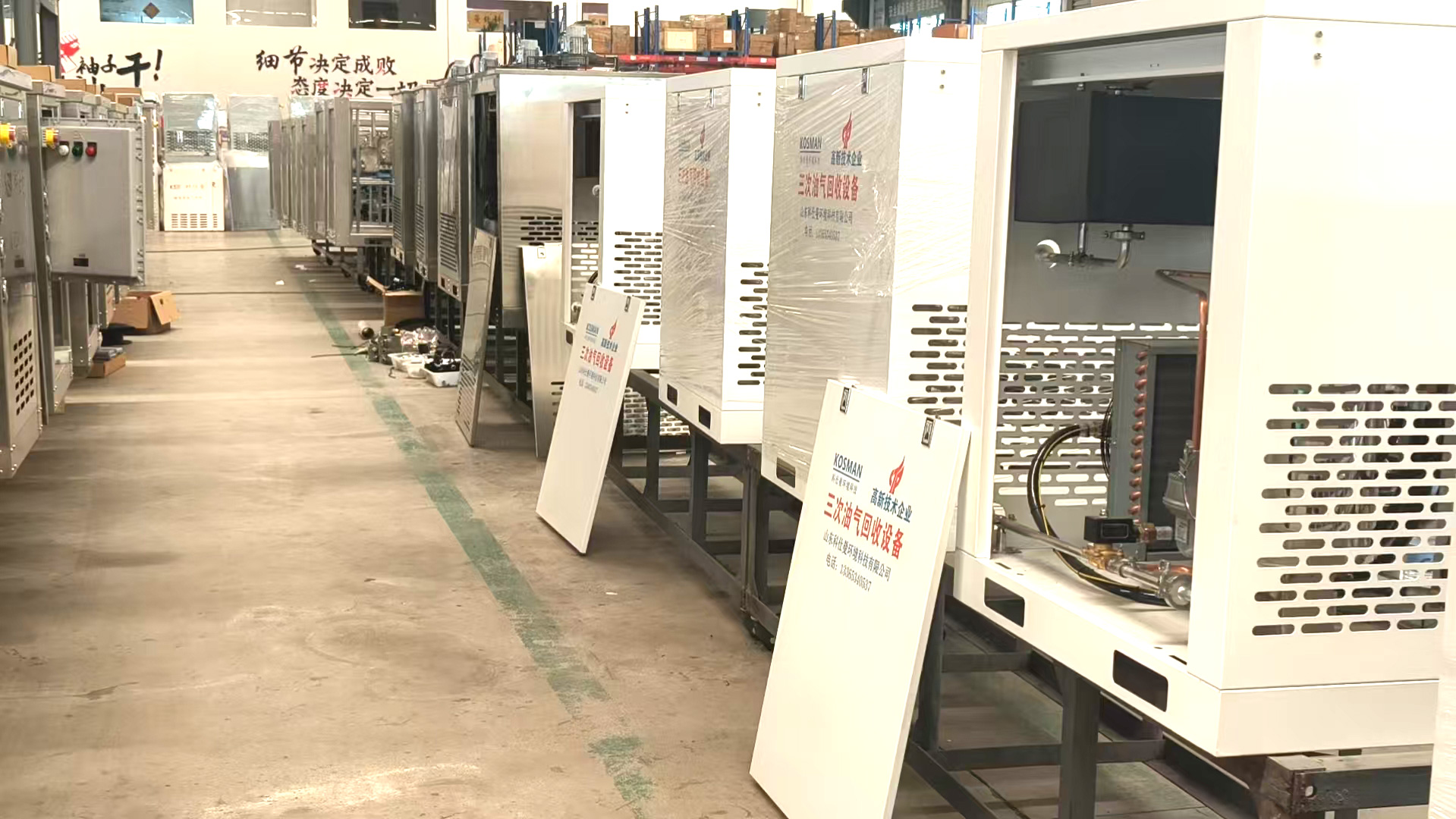
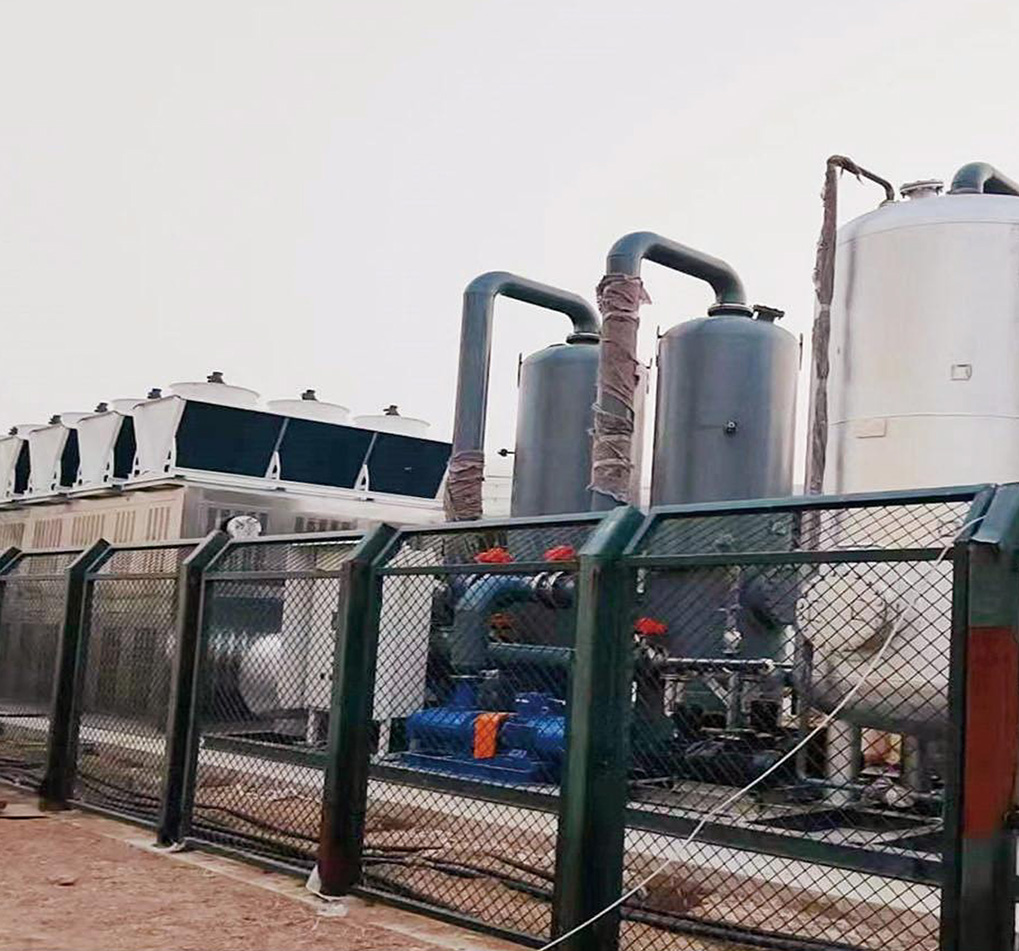
吸附回收净化技术吸附回收技术是一种简单实用的VOC治理技术,其不仅能有效的治理有机废气,而且能回收有机溶剂,既解决了环境污染问题,同时创造了可观的经济效益,深得企业认可,具有较好的市场应用前景。吸附回收技术主要是利用吸附材料将废气中的有机溶剂吸附下来,并脱附回收利用有机溶剂的方法。
Adsorption recovery purification technology is a simple and practical VOC treatment technology that can not only effectively treat organic waste gas, but also recover organic solvents. It not only solves the problem of environmental pollution, but also creates considerable economic benefits, which is widely recognized by enterprises and has good market application prospects. Adsorption recycling technology mainly uses adsorption materials to adsorb organic solvents from exhaust gas and desorb them for recycling and utilization.
工艺原理该技术采用颗粒活性炭/活性炭纤维作为吸附材料,吸附饱和后的吸附材料利用热源将吸附质气化,解析出的高浓度有机蒸汽被脱附介质带入冷凝单元,经冷凝、分离,回收有机溶剂。依据据脱附介质不同,有水蒸汽脱-溶剂回收附技术和热氮气脱附-溶剂回收技术。
The process principle of this technology uses granular activated carbon/activated carbon fiber as the adsorbent material. After adsorption saturation, the adsorbent material uses a heat source to vaporize the adsorbate, and the high concentration organic vapor analyzed is carried into the condensation unit by the desorption medium. After condensation and separation, the organic solvent is recovered. According to different desorption media, there are steam desorption solvent recovery and hot nitrogen desorption solvent recovery technologies.
技术特点采用高效吸附材料,吸附效率95%以上,溶剂回收率90%以上。系统化防爆设计和安全节点监控,完善的产品质量保证体系,确保设备安全,满足化工场所苛刻要求。对于非水溶性有机溶剂,采用活性炭吸附-水蒸汽脱附-溶剂回收工艺,具有相变热高,脱附完全,易冷凝的优点,可实现有机溶剂和水的自动有效分离。对于水溶性大或易水解有机溶剂,采用活性炭吸附-氮气脱附-溶剂回收工艺,回收产品中水含量低,溶剂品质高、可降低运行成本;吸附床内配套活性炭保护系统,充分保证设施安全。基于可编程控制器(PLC)的控制具有数据采集和远程控制功能。
The technical features adopt high-efficiency adsorbent materials, with an adsorption efficiency of over 95% and a solvent recovery rate of over 90%. Systematic explosion-proof design and safety node monitoring, complete product quality assurance system, ensure equipment safety, and meet the stringent requirements of chemical sites. For non water soluble organic solvents, the activated carbon adsorption water vapor desorption solvent recovery process is adopted, which has the advantages of high phase change heat, complete desorption, and easy condensation, and can achieve automatic and effective separation of organic solvents and water. For organic solvents with high water solubility or easy hydrolysis, the activated carbon adsorption nitrogen desorption solvent recovery process is used to recover products with low water content, high solvent quality, and reduced operating costs; The adsorption bed is equipped with an activated carbon protection system to fully ensure facility safety. The control based on programmable logic controller (PLC) has data acquisition and remote control functions.
应用领域行业:化工、石油、制药工业、涂装、印刷及其他使用有机溶剂 的过程;
Application industries: chemical, petroleum, pharmaceutical industries, painting, printing, and other processes using organic solvents;
可回收的有机物种类:
Types of recyclable organic compounds:
1、烃类:苯、甲苯、二甲苯、溶剂油、石脑油、重芳烃等。
1. Hydrocarbons: benzene, toluene, xylene, solvent oil, naphtha, heavy aromatic hydrocarbons, etc.
2、卤烃:三氯乙烷、二氯甲烷、三氯甲烷、四氯化碳等。
2. Halogens: Trichloroethane, dichloromethane, trichloromethane, carbon tetrachloride, etc.
2、酮类:丙酮、丁酮、甲基异丁酮等。
2. Ketones: acetone, butanone, methyl isobutyl ketone, etc.
4、酯类:乙酸乙酯、乙酸丁酯、乙酸丙酯等。
4. Esters: ethyl acetate, butyl acetate, propyl acetate, etc.
5、醇类:乙醇、异丙醇、丁醇等。
5. Alcohols: ethanol, isopropanol, butanol, etc.
蓄热式焚烧技术蓄热式焚烧炉(Regenerative Thermal Oxidizer,简称RTO)是目前最成熟、最稳定、最有效的有机废气处理设备,采用先进的热交换技术和新型蜂窝陶瓷蓄热材料,高效先进的换热系统保证了氧化分解热量的有效回收,热回收率95%以上,VOC净化率99%以上,在有机废气净化领域具有很大的技术优势。
Regenerative Thermal Oxidizer (RTO) is currently the most mature, stable, and effective organic waste gas treatment equipment. It adopts advanced heat exchange technology and new honeycomb ceramic thermal storage materials. The efficient and advanced heat exchange system ensures the effective recovery of oxidation and decomposition heat, with a heat recovery rate of over 95% and a VOC purification rate of over 99%. It has great technical advantages in the field of organic waste gas purification.
蓄热式焚烧炉可以处理工业生产过程中所排放出来的挥发性有机气体(VOC)和臭气。RTO系统利用高温氧化去除废气,通过控制温度,停留时间,湍流系数和氧气量将废气转化为二氧化碳和水气,并回收废气分解时所释放出的热量,从而达到环保节能的双重目的。
Regenerative incinerators can treat volatile organic gases (VOCs) and odors emitted during industrial production processes. The RTO system utilizes high-temperature oxidation to remove exhaust gas. By controlling temperature, residence time, turbulence coefficient, and oxygen content, the exhaust gas is converted into carbon dioxide and water vapor, and the heat released during the decomposition of the exhaust gas is recovered, thereby achieving the dual purpose of environmental protection and energy conservation.
工作原理挥发性有机废气经系统风机推进或者吸入RTO入口集风管,切换阀引导气体进入蓄热床,气体在经过陶瓷蓄热床到燃烧室的过程中被逐渐预热,在燃烧室高温(约800℃)氧化分解,净化后的高温尾气在通过另一陶瓷蓄热床时会将热量留在其中,使得出口处的蓄热床得到加热,净化尾气得到降温,使得出口温度略高于RTO入口温度,通常情况下温升最高不超过50-70℃。
The working principle is that volatile organic waste gas is propelled by the system fan or sucked into the RTO inlet manifold, and the switching valve guides the gas into the heat storage bed. The gas is gradually preheated during the process of passing through the ceramic heat storage bed to the combustion chamber, and is oxidized and decomposed at high temperature (about 800 ℃) in the combustion chamber. The purified high-temperature exhaust gas will retain heat when passing through another ceramic heat storage bed, heating the heat storage bed at the outlet and cooling the purified exhaust gas, so that the outlet temperature is slightly higher than the RTO inlet temperature. Generally, the temperature rise does not exceed 50-70 ℃.
工艺流程示意图
Process flow diagram
切换阀改变气流进入蓄热床的方向,实现蓄热区与放热区的交替转换,实现最大化回收焚化炉内的热量,高热能回收率降低了燃料的需求节省了运行成本。
The switching valve changes the direction of airflow entering the thermal storage bed, achieving alternating conversion between the thermal storage zone and the heat release zone, maximizing the recovery of heat in the incinerator, reducing the demand for fuel and saving operating costs with high heat recovery rate.
当系统VOC浓度大于自持浓度(甲苯1200mg/m3、二甲苯1100mg/m3)时,RTO即不需辅助燃料便能够维持VOC氧化分解条件,同时可对外输出系统余热。
When the VOC concentration in the system is greater than the self-sustaining concentration (toluene 1200mg/m3, xylene 1100mg/m3), RTO can maintain VOC oxidation and decomposition conditions without the need for auxiliary fuel, and can also output system waste heat externally.
技术特点VOC净化效率高,2床式净化效率95%以上,3床式净化效率99%以上。系统自适应强,操作稳定、安全性高。可处理多种组分,几乎所有有机废气,含S、N、卤族元素的有机废气。多重防爆(LEL连锁控制、多组防爆膜片设置、自动切换阀组等)措施,设备安全性高。基于可编程控制器(PLC)的控制具有数据采集和远程控制功能。变频器(VFD)驱动允许系统在废气量少或者系统待机状态时低频运行。设备在厂内组装,系统安装时间短。
Technical features: High VOC purification efficiency, with a 2-bed purification efficiency of over 95% and a 3-bed purification efficiency of over 99%. The system has strong adaptability, stable operation, and high security. It can process various components, almost all organic waste gases, including organic waste gases containing S, N, and halogen elements. Multiple explosion-proof measures (LEL interlock control, multiple sets of explosion-proof membrane settings, automatic switching valve groups, etc.) ensure high equipment safety. The control based on programmable logic controller (PLC) has data acquisition and remote control functions. Variable frequency drive (VFD) allows the system to operate at low frequencies when there is low exhaust gas or when the system is in standby mode. The equipment is assembled in the factory, and the system installation time is short.
应用领域行业:化工、石化、制药、涂装、印刷等及其他使用有机溶剂的过程。
Application industries: chemical, petrochemical, pharmaceutical, coating, printing, and other processes that use organic solvents.
组分:组分复杂,不具有回收价值,难重复利用。
Components: The components are complex, have no recycling value, and are difficult to reuse.
吸附浓缩热氧化技术大风量、低浓度VOC排放在目前我国的有机废气污染中占了很大的比例,吸附浓缩热氧化技术是治理该类废气最为经济有效的技术途径。
The high air volume and low concentration VOC emissions of adsorption concentration thermal oxidation technology account for a large proportion of organic waste gas pollution in China. Adsorption concentration thermal oxidation technology is the most economical and effective way to treat this type of waste gas.
该技术将吸附浓缩单元和热氧化单元有机地结合起来,不仅可以满足排放要求,而且可以降低净化设备的投资、运行费用。
This technology combines adsorption concentration unit and thermal oxidation unit organically, which not only meets emission requirements but also reduces the investment and operating costs of purification equipment.
大风量、低浓度有机废气经吸附净化并脱附后转换成小风量、高浓度的有机废气,高浓度有机废气进入热氧化单元氧化处理,并将有机物氧化释放的热量有效利用。
After adsorption purification and desorption, high air volume and low concentration organic waste gas are converted into low air volume and high concentration organic waste gas. The high concentration organic waste gas enters the thermal oxidation unit for oxidation treatment, and the heat released by the oxidation of organic matter is effectively utilized.
工艺原理大风量、低浓度有机废气经过沸石转轮时,气流中的VOC被疏水沸石吸附,净化尾气通过转轮排放到大气中。
The process principle is that when high air volume and low concentration organic waste gas pass through a zeolite wheel, the VOCs in the airflow are adsorbed by hydrophobic zeolite, and the purified exhaust gas is discharged into the atmosphere through the wheel.
沸石转轮-蓄热氧化工艺流程示意图
Schematic diagram of zeolite rotary wheel thermal storage oxidation process flow
沸石转轮不停旋转,将吸附的VOC转到脱附区域,吸附在沸石转轮上 的VOC被180~220℃的热风脱附,脱附热风占总处理风量的5~10%,脱附下的高浓度有机废气进入RTO/CO氧化降解为二氧化碳和水蒸汽等。再生后的吸附转轮经过冷却区降温后,返回至吸附区,完成了吸附/脱附/降温的循环过程。
The zeolite wheel keeps rotating, transferring the adsorbed VOCs to the desorption area. The VOCs adsorbed on the zeolite wheel are desorbed by hot air at 180-220 ℃, which accounts for 5-10% of the total treated air volume. The high concentration organic waste gas under desorption enters RTO/CO for oxidation and degradation into carbon dioxide and water vapor. After the regenerated adsorption wheel is cooled in the cooling zone, it returns to the adsorption zone, completing the cycle of adsorption/desorption/cooling.
沸石转轮结构示意图
Schematic diagram of zeolite wheel structure
沸石转轮组合热氧化三维结构示意图
Schematic diagram of three-dimensional structure of zeolite rotary wheel combined thermal oxidation
技术特点净化效率高,出口浓度稳定,吸附净化率可达97%,氧化净化率99%以上。再生气采用氧化系统自身氧化热,可降低系统运行费用。沸石转轮吸附降低了火灾风险。沸石转轮浓缩比高达10-25:1。基于可编程控制器(PLC)的控制具有数据采集和远程控制功能。变频器(VFD)驱动允许系统在废气量少或者系统待机状态时低频运行。设备在厂内组装,系统安装时间短。
Technical features: high purification efficiency, stable outlet concentration, adsorption purification rate of up to 97%, and oxidation purification rate of over 99%. The regeneration process uses the oxidation heat generated by the oxidation system itself, which can reduce the operating costs of the system. Zeolite wheel adsorption reduces the risk of fire. The zeolite wheel concentration ratio is as high as 10-25:1. The control based on programmable logic controller (PLC) has data acquisition and remote control functions. Variable frequency drive (VFD) allows the system to operate at low frequencies when there is low exhaust gas or when the system is in standby mode. The equipment is assembled in the factory, and the system installation time is short.
应用领域喷漆车间:如集装箱、汽车、飞机、造船、家具、电子、金属制品等喷涂排气。各种印刷车间(如凹版印刷、柔印、包装材料印刷等)排气。油漆、涂料生产车间排气。半导体集成电路、液晶显示屏(LCD)制造过程的排气处理。?树脂、橡胶、轮胎等制品生产过程的排气处理。
Application areas: Spray painting workshops such as containers, automobiles, airplanes, shipbuilding, furniture, electronics, metal products, etc. Exhaust from various printing workshops, such as gravure printing, flexographic printing, packaging material printing, etc. Exhaust from paint and coating production workshops. Exhaust treatment during the manufacturing process of semiconductor integrated circuits and liquid crystal displays (LCDs).? Exhaust treatment during the production process of resin, rubber, tires and other products.
微生物净化技术利用微生物(细菌、真菌、原生动物等)的代谢活动使恶臭物质氧化降解为二氧化碳、水蒸汽、NO3-、SO42-等无害物质的过程,微生物在氧化降解污染物时获得能量维持自身生物和繁殖。
Microbial purification technology utilizes the metabolic activities of microorganisms (bacteria, fungi, protozoa, etc.) to oxidize and degrade odorous substances into harmless substances such as carbon dioxide, water vapor, NO3-, SO42-, etc. Microorganisms obtain energy to maintain their own biological and reproductive functions during the oxidation and degradation of pollutants.
微生物净化技术具有设备投资费用少、运行费用低、操作简便、处理彻底、无二次污染等优点,特别适合于处理水溶性差(苯、甲苯、二甲苯等)、不易生物降解(硝基苯、甲基叔丁基醚)的有机废气以及硫化氢、氨气等恶臭废气的治理。
Microbial purification technology has the advantages of low equipment investment cost, low operating cost, easy operation, thorough treatment, and no secondary pollution. It is particularly suitable for the treatment of organic waste gases with poor water solubility (benzene, toluene, xylene, etc.), low biodegradability (nitrobenzene, methyl tert butyl ether), as well as odorous waste gases such as hydrogen sulfide and ammonia.
生物滴滤工艺废气经底部进气口进入生物滴滤池,通过填料层与逆流而下的营养液充分接触和传质,在充足的停留时间内,气相物质经平流效应、扩散效应、吸附等综合作用下通过气膜并被吸附在润湿的生物膜表面,吸附在生物膜表面的污染物成分被其中的微生物捕获并吸收,经生化反应最终转化成为无害的物质。微生物代谢产物和老化的生物膜可被循环液及时转移。
The waste gas from the biological drip filtration process enters the biological drip filter through the bottom inlet, and is fully contacted and transferred with the nutrient solution flowing in reverse through the packing layer. Within sufficient residence time, gas-phase substances are adsorbed on the wet surface of the biofilm through a combination of advection effect, diffusion effect, adsorption, etc. The pollutant components adsorbed on the biofilm surface are captured and absorbed by the microorganisms, and finally converted into harmless substances through biochemical reactions. Microbial metabolites and aged biofilms can be promptly transferred by circulating fluids.
工艺流程示意图
Process flow diagram
生物过滤工艺生物过滤由增湿液槽和过滤塔组成。VOC气体经增湿液槽加压预湿后进入过滤塔,与生物膜接触而被吸收,最终降解成二氧化碳,水蒸汽 和微生物基质,净化后的气体由顶部排出。定期在塔顶喷淋水,为滤料微生物提供水分,喷淋液呈非连续相。生物过滤所用填料可自身缓释肥料(含氮、磷、钾、钙、镁和其它微量元素),无需额外添加营养液。
The biological filtration process consists of a humidification tank and a filtration tower. After being pressurized and pre wetted by the humidification tank, VOC gas enters the filtration tower and is absorbed by the biofilm, ultimately degrading into carbon dioxide, water vapor, and microbial matrix. The purified gas is discharged from the top. Regularly spray water at the top of the tower to provide moisture for the filter microorganisms, and the spray liquid is in a discontinuous phase. The fillers used in biological filtration can self release fertilizers (containing nitrogen, phosphorus, potassium, calcium, magnesium, and other trace elements) without the need for additional nutrient solutions.
技术特点?运行费用低。清洁型治理工艺,无二次污染。操作条件温和,常温常压。基于可编程控制器(PLC)的控制具有数据采集和远程控制功能。采用天然及高分子复合滤料,滤料不易老化、板结,使用周期长。填料孔隙率大于80%,单位压降小,可选低功率风机,降低能耗和噪音。?接种专用复合菌剂,单位填料生物量高,处理负荷提高。
Technical features? Low operating costs. Clean treatment process with no secondary pollution. Mild operating conditions, normal temperature and pressure. The control based on programmable logic controller (PLC) has data acquisition and remote control functions. Using natural and polymer composite filter media, the filter media is not easily aged or compacted, and has a long service life. The porosity of the filler is greater than 80%, and the unit pressure drop is small. A low-power fan can be selected to reduce energy consumption and noise.? Vaccination with specialized composite microbial agents results in high biomass per unit of filler and increased processing load.
?应用领域??垃圾处理过程的堆肥、填埋、焚烧、垃圾渗滤液调节池、垃圾中转站、垃圾堆肥;污水处理厂的排污泵站、进水格栅、曝气沉砂池、初沉池、污泥脱水车间;涂料、化工制药、橡胶塑料、油漆涂料、石油化工、农药和发酵制药、制鞋厂、印刷厂、造纸厂、食品加工、牲畜养殖、饲料加工等产生恶臭气体与废气的场合。
Application field?? Composting, landfilling, incineration, leachate regulating pool, garbage transfer station, and garbage composting in the process of garbage disposal; Sewage treatment plant's sewage pumping station, inlet grille, aeration sedimentation tank, primary sedimentation tank, sludge dewatering workshop; In places where odorous gases and exhaust gases are generated, such as coatings, chemical pharmaceuticals, rubber and plastics, paints and coatings, petrochemicals, pesticides and fermentation pharmaceuticals, shoe factories, printing factories, paper mills, food processing, livestock breeding, feed processing, etc.
适用废气排放特征低浓度恶臭气体、VOC废气。
Suitable for low concentration odorous gases and VOC exhaust gases with emission characteristics.
本文由 VOCs挥发气回收设备 友情奉献.更多有关的知识请点击 http://www.kosman.com.cn/ 真诚的态度.为您提供为全面的服务.更多有关的知识我们将会陆续向大家奉献.敬请期待.
This article is a friendly contribution from VOCs volatile gas recovery equipment For more related knowledge, please click http://www.kosman.com.cn/ Sincere attitude To provide you with comprehensive services We will gradually contribute more relevant knowledge to everyone Coming soon.
地址:山东省菏泽市成武县经济开发区机电产业园钢架结构单层5号
 【微信二维码】
  留言咨询
留言咨询Adopting different technology and process control schemes
 鲁公网安备 337172302372103号