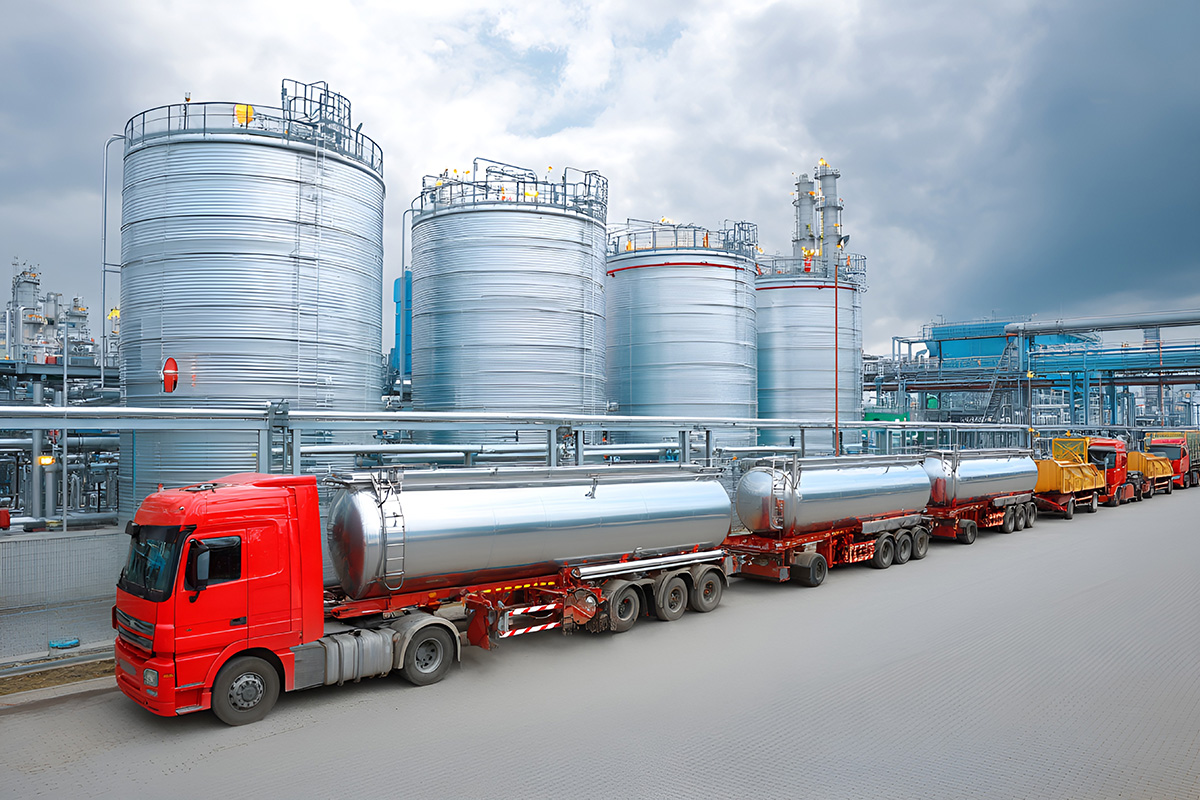
加油站三次油气回收设备系统介绍及VOCs排放监管要点
一、总体要求
General Requirements
根据国家与地方标准及相关要求对加油站油气回收系统运行情况开展现场检查,保证系统的正常运行、保证加油站大气污染物排放达标。
Conduct on-site inspections of the operation of the oil and gas recovery system at gas stations in accordance with national and local standards and relevant requirements to ensure the normal operation of the system and compliance with atmospheric pollutant emissions standards at gas stations.|
二、法律法规及政策要求
Legal, regulatory, and policy requirements
1、法律法规
1. Laws and regulations
<<中华人民共和国大气污染防治法>>中第四十七条提出:储油储气库、加油加气站、原油成品油码头、原油成品油运输船舶和油罐车、气罐车等,应当按照国家有关规定安装油气回收装置并保持正常使用。第一百零八条提出:违反本法规定,有下列行为之一的,由县级以上人民政府生态环境主管部门责令改正,处二万元以上二十万元以下的罚款;拒不改正的,责令停产整治。包括如下条款:(四)储油储气库、加油加气站和油罐车、气罐车等,未按照国家有关规定安装并正常使用油气回收装置的。
Article 47 of the Air Pollution Prevention and Control Law of the People's Republic of China states that oil and gas storage facilities, refueling stations, crude oil and refined oil terminals, crude oil and refined oil transport ships, oil tank trucks, gas tank trucks, etc. shall install oil and gas recovery devices in accordance with relevant national regulations and maintain normal use. Article 108: Anyone who violates the provisions of this Law and commits any of the following acts shall be ordered to rectify by the ecological environment department of the people's government at or above the county level, and shall be fined not less than 20000 yuan but not more than 200000 yuan; Those who refuse to make corrections shall be ordered to suspend production for rectification. Including the following clauses: (4) Oil and gas storage facilities, refueling stations, oil tank trucks, gas tank trucks, etc. that have not installed and used oil and gas recovery devices in accordance with relevant national regulations.
2、政策要求
2. Policy requirements
<<深入打好重污染天气消除、臭氧污染防治和柴油货车污染治理攻坚行动方案>>(环大气〔2022]68号)中臭氧污染防治攻坚行动方案要求:推进油品V0Cs综合管控,包括各地每年至少开展一次储运销环节油气回收系统专项检查工作,确保达标排放。以上要求中的销售环节包括加油站油品销售。
<<Deepen the Action Plan for Eliminating Heavy Pollution Weather, Preventing and Controlling Ozone Pollution, and Controlling Diesel Truck Pollution>>(Huan Da Shui [2022] No. 68) The Action Plan for Preventing and Controlling Ozone Pollution requires promoting comprehensive control of oil V0Cs, including conducting at least one special inspection of oil and gas recovery systems in storage, transportation, and sales links every year in various regions to ensure emissions meet standards. The sales process mentioned above includes the sale of fuel products at gas stations.
3、主要标准
3. Main standards
GB 20952-2020 加油站大气污染物排放标准GB 16297-1996 大气污染物综合排放标准GB/T 16157-1996固定污染源排气中颗粒物测定与气态污染物采样方法HJ1118-2020排污许可证申请与核发技术规范储油库、加油站HJ38-2017固定污染源废气总烃、甲烷和非甲烷总烃的测定气相色谱法HJ/T 55-2020 大气污染物无组织排放监测技术导则HJ212-2017污染物在线监控(监测)系统数据传输标准HJ/T 397-2007固定源废气监测技术规范HJ 604-2017 环境空气总烃、甲烷和非甲烷总烃的测定直接进样一气相色谱法HJ733-2014泄漏和敞开液面排放的挥发性有机物检测技术导则
GB 20952-2020 Emission Standards for Air Pollutants from Gas Stations GB 16297-1996 Comprehensive Emission Standards for Air Pollutants GB/T 16157-1996 Determination of Particulate Matter and Sampling Methods for Gaseous Pollutants in Fixed Source Exhaust Gas HJ1118-2020 Technical Specifications for Application and Issuance of Pollutant Discharge Permits HJ38-2017 Determination of Total Hydrocarbons, Methane and Non methane Total Hydrocarbons in Fixed Source Exhaust Gas from Oil Storage and Gas Stations HJ38-2017 Gas Chromatography Method HJ/T 55-2020 Technical Guidelines for unorganized Emission Monitoring of Air Pollutants HJ212-2017 Data Transmission Standards for Pollutant Online Monitoring (Monitoring) Systems HJ/T 397-2007 Technical Specifications for Fixed Source Exhaust Gas Monitoring HJ 604-2017 Determination of Total Hydrocarbons, Methane and Non methane Total Hydrocarbons in Environmental Air HJ733-2017 Direct Injection Gas Chromatography Method Guidelines for volatile organic compound detection technology for leakage and open liquid level emissions in 2014
三、加油站油气回收系统介绍及相关要求
3、 Introduction and related requirements of gas station oil and gas recovery system
1、加油站油气回收系统及VOCs排放环节
1. Gas station oil and gas recovery system and VOCs emission process
加油站应采用油气回收系统对VOCs排放进行全过程控制,加油站油气回收系统由卸油油气回收系统、汽油密闭储存、加油油气回收系统、在线监测系统和油气处理装置组成。该系统应将卸油、储油和加油过程中产生的油气,通过密闭收集、储存和送入油品运输汽车罐车内。涉及的油气回收阶段如下:
Gas stations should adopt an oil and gas recovery system to control VOCs emissions throughout the entire process. The gas station's oil and gas recovery system consists of an unloading oil and gas recovery system, a sealed gasoline storage system, a refueling oil and gas recovery system, an online monitoring system, and an oil and gas treatment device. The system should collect, store, and deliver the oil and gas generated during the unloading, storage, and refueling processes in a sealed manner to the tanker trucks for oil transportation. The oil and gas recovery stages involved are as follows:
一阶段油气回收(即卸油油气回收过程)指汽车罐车在加油站进行卸油时,将车内油品通过卸油管输送至加油站地下油罐内,同时加油站地下油罐内的油气通过油气回收管线回收至汽车罐车内,直至卸油过程结束。对于加油站,该阶段为以油气置换汽油的过程。
One stage oil and gas recovery (i.e. unloading oil and gas recovery process) refers to the process of transporting oil from a tanker truck to an underground oil tank at a gas station through an unloading pipeline during unloading. At the same time, the oil and gas in the underground oil tank at the gas station are recovered into the tanker truck through an oil and gas recovery pipeline until the unloading process is completed. For gas stations, this stage is the process of replacing gasoline with oil and gas.
二阶段油气回收(即加油油气回收过程)指加油站为机动车加油时,原机动车油箱内为剩余汽油与挥发油气的混合态,加油过程中通过回收型加油枪将油箱内的油气回收至地下油罐内,直至加油过程结束。对于加油站,该阶段为以汽油置换油气的过程。
Two stage oil and gas recovery (i.e. refueling oil and gas recovery process) refers to the process where a gas station refuels a motor vehicle with a mixture of residual gasoline and volatile oil and gas in the original fuel tank. During the refueling process, the oil and gas in the tank are recovered into an underground tank using a recovery type refueling gun until the refueling process is completed. For gas stations, this stage is the process of replacing gasoline with gas.
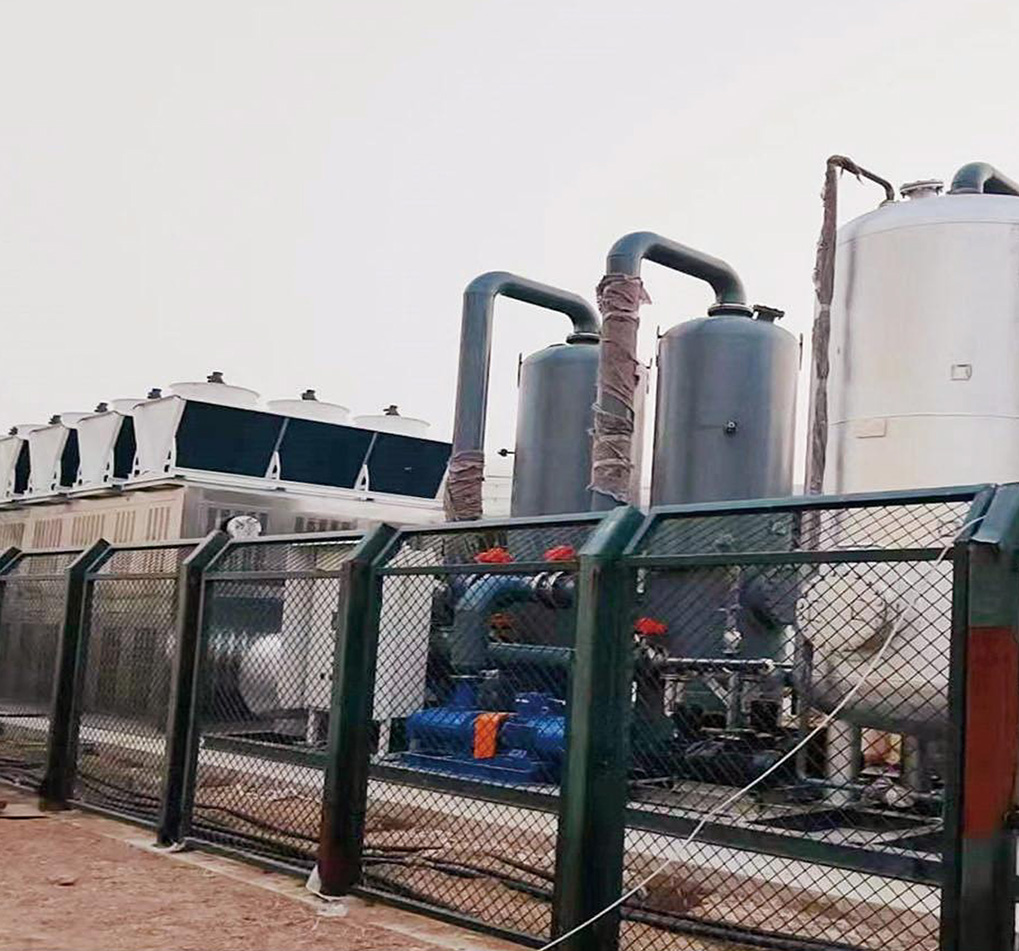
三阶段油气回收(即油气后处理过程)指当安装油气处理装置的加油站地下油罐达到一定压力后,处理装置启动对油气进行处理,并将处理后符合标准要求的油气通过排气管排出的过程。三阶段油气回收仅限安装油气后处理装置的加油站。
The three-stage oil and gas recovery (i.e. oil and gas post-treatment process) refers to the process in which the underground oil tank at the gas station where the oil and gas treatment device is installed reaches a certain pressure, and the treatment device starts to process the oil and gas, and discharges the processed oil and gas that meets the standard requirements through the exhaust pipe. The three-stage oil and gas recovery is limited to gas stations equipped with oil and gas post-treatment devices.
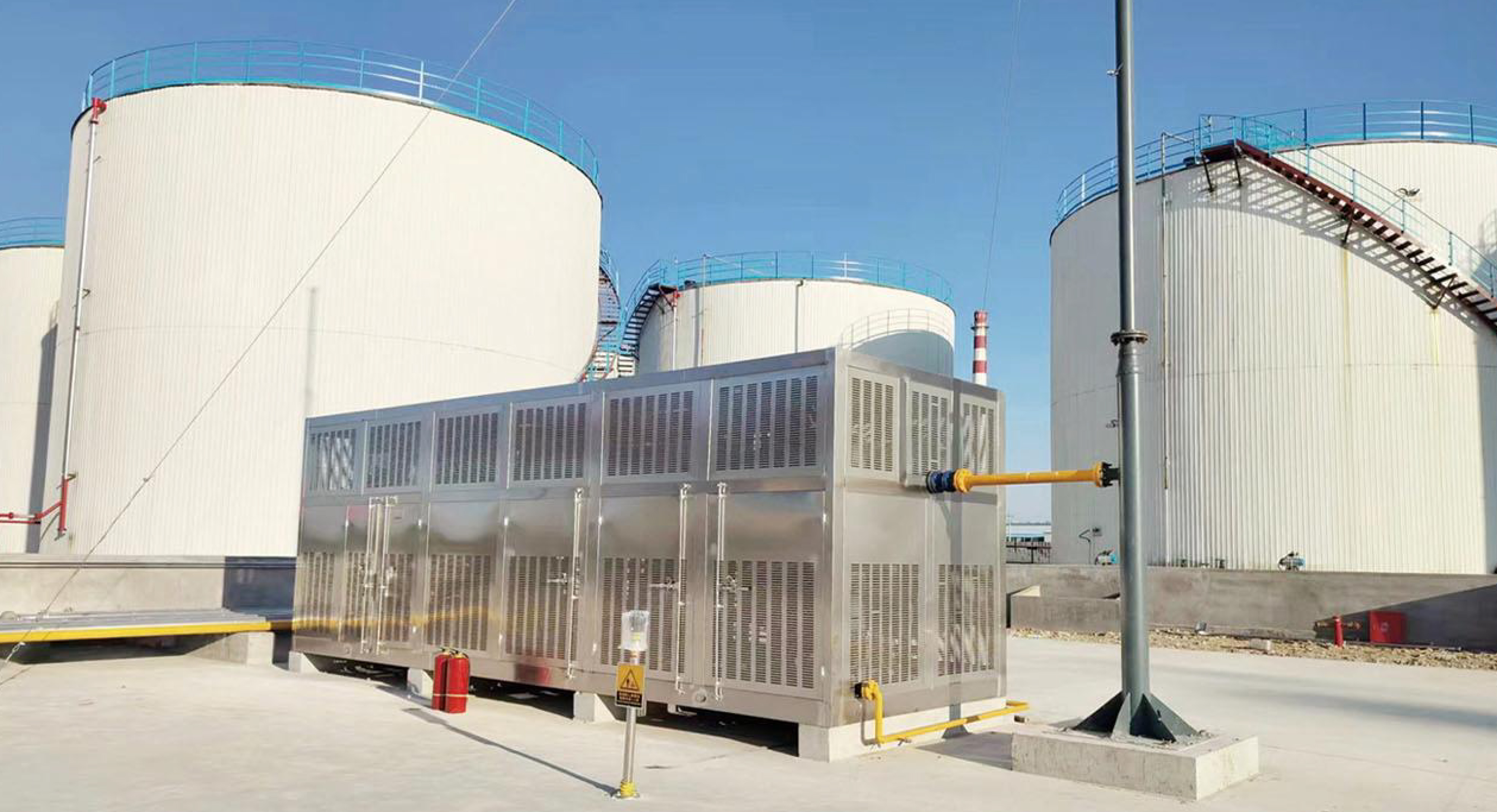
油气处理装置是将油气回收系统收集的油气从气相转化为液相的设备。分别将分离出来的汽油回至油罐中,将油气处理达标后排放。油气处理装置油路、气路流向示意图见图2。
Oil and gas processing equipment is a device that converts the oil and gas collected by the oil and gas recovery system from gas phase to liquid phase. Separate the gasoline separately and return it to the oil tank, treat the oil and gas to meet the standards before discharging. The schematic diagram of oil and gas flow in the oil and gas processing device is shown in Figure 2.
常见的加油站处理装置一般采用一种或多种工艺组合的方法如:吸附、冷凝+吸附、膜分离、冷凝+膜分离等。
Common gas station treatment equipment generally adopts one or more process combinations, such as adsorption, condensation+adsorption, membrane separation, condensation+membrane separation, etc.
a.吸附法工艺原理:利用油中各组分与吸附剂间结合力强弱的差别,实现难吸附组分与易吸附组分的分离。其特点是合适的吸附剂对各组分可以有很高的选择性,吸附的方式一般为活性炭吸附。b.冷凝法 工艺原理:利用制冷技术将油气的热量置换出来,实现油气组分从气相到液相的直接转换。利用烃类物质在不同温度下的蒸汽压差异,通过降温使部分烃类蒸汽压达到过饱和状态,过饱和蒸汽冷凝成液态进行回收。
a. Principle of adsorption process: By utilizing the difference in binding strength between each component in the oil and the adsorbent, the separation of difficult to adsorb components and easy to adsorb components can be achieved. Its characteristic is that suitable adsorbents can have high selectivity for each component, and the adsorption method is generally activated carbon adsorption. b. The principle of condensation process: using refrigeration technology to replace the heat of oil and gas, realizing the direct conversion of oil and gas components from gas phase to liquid phase. By utilizing the difference in vapor pressure of hydrocarbon substances at different temperatures, the vapor pressure of some hydrocarbons is reduced to a supersaturated state through cooling, and the supersaturated vapor is condensed into liquid for recovery.
c.膜分离法 分离原理:利用混合气中各组分在压力推动下透过高分子膜片时的传递速率差异而实现分离目的。压缩机从油罐中抽取油气进行压缩后油气浓度升高,部分易液化的油气转化为液体汽油;压缩后的油气、空气混合物继续进入膜进行分离,在压力作用下,高分子膜对油气具有优先透过性,碳氢化合物分子从膜外侧渗透入膜内侧,然后从膜中心管返回油罐,而空气分子被膜表面所排斥,沿着膜外侧与膜管之间管路,被纯化为干净空气排放到大气中。
c. The separation principle of membrane separation method: The separation purpose is achieved by utilizing the difference in transfer rate of each component in the mixed gas when it passes through the polymer membrane under pressure. The compressor extracts oil and gas from the oil tank for compression, and the concentration of the oil and gas increases. Some easily liquefied oil and gas are converted into liquid gasoline; The compressed mixture of oil, gas, and air continues to enter the membrane for separation. Under pressure, the polymer membrane has priority permeability for oil and gas. Hydrocarbon molecules permeate from the outside of the membrane into the inside, and then return to the oil tank from the central tube of the membrane. Air molecules are expelled by the surface of the membrane and purified into clean air along the pipeline between the outside of the membrane and the membrane tube, which is then discharged into the atmosphere.
2.总体控制要求
2.Overall Control Requirement 2
VOCs排放须满足<<加油站大气污染物排放标准>>(GB20952一2020)。标准中规定:2022年1月1日起,加油站执行标准中卸油、储油、加油油气排放控制要求。
VOCs emissions must meet the Air Pollutant Emission Standards for Gas Stations (GB20952-2020). According to the standard, starting from January 1, 2022, gas stations will implement the requirements for unloading, storing, and refueling oil and gas emissions control in the standard.
2022年1月1日起,依法被确定为重点排污单位的加油站应安装在线监测系统。
Starting from January 1, 2022, gas stations designated as key polluting units in accordance with the law should install online monitoring systems.
省级生态环境主管部门根据加油站规模、年汽油销售量、加油站对周边环境影响、加油站挥发性有机物控制要求自行确定油气处理装置的安装范围。
The provincial ecological environment department shall determine the installation scope of the oil and gas treatment equipment based on the scale of the gas station, annual gasoline sales volume, the impact of the gas station on the surrounding environment, and the requirements for volatile organic compound control at the gas station.
3、各环节排放监测、检测要求
3. Requirements for emission monitoring and testing at each stage
a.管线液阻:小于表1规定的最大压力限值。
a. Pipeline fluid resistance: less than the maximum pressure limit specified in Table 1.
b.加油枪气液比:均应在大于等于1.0和小于等于
b. Gas liquid ratio of fuel gun: Both should be greater than or equal to 1.0 and less than or equal to
1.2范围内。
Within the scope of 1.2.
c.油气回收系统密闭性:压力检测值应大于等于GB20952一2020中表2规定的最小剩余压力限值。其中,最小剩余压力限值应通过确认加油站储罐油气空间(罐容-汽油体积)与受影响的加油枪数量后经查表得出。
c. Sealing of oil and gas recovery system: The pressure detection value should be greater than or equal to the minimum residual pressure limit specified in Table 2 of GB20952-2020. Among them, the minimum residual pressure limit should be determined by checking a table after confirming the oil and gas space (tank capacity gasoline volume) of the gas station storage tank and the number of affected fuel guns.
d.油气处理装置的油气排放浓度:1小时平均浓度值应小于等于25g/m3。
d. The oil and gas emission concentration of the oil and gas processing unit should be less than or equal to 25g/m3 on average for 1 hour.
e.密闭点位泄漏:采用氢火焰离子化检测仪(以甲烷或丙烷为校准气体)检测油气回收系统密闭点位,油气泄漏检测值应小于等于500mol/mol(ppm)。若采用红外摄像方式检测时不应有油气泄漏。
e. Sealed point leakage: Use a hydrogen flame ionization detector (calibrated with methane or propane) to detect the sealed point of the oil and gas recovery system, and the oil and gas leakage detection value should be less than or equal to 500mol/mol (ppm). If infrared camera is used for detection, there should be no oil or gas leakage.
f.企业边界油气浓度无组织排放:加油站企业边界油气浓度无组织排放限值应满足要求。以非甲烷总烃计,监控点处1小时平均浓度值应不超过4.Omg/m2。
f. Unorganized emissions of oil and gas concentration at the boundary of enterprises: The limit for unorganized emissions of oil and gas concentration at the boundary of gas stations should meet the requirements. Based on non methane total hydrocarbons, the hourly average concentration at the monitoring point should not exceed 4.0mg/m2.
有更严格地方排放控制标准的,应执行地方标准。
If there are stricter local emission control standards, the local standards should be implemented.
加油站日常自检重点
Key points of daily self inspection at gas stations
加油站应制定油气回收日常检查记录台账,内容应尽可能详细,涉及不同区域油气回收相关管线、泵、快接头、开关、阀门等零件,每天应详细核查系统是否正常运行,当出现维修、更换相关零件时,应记录零件所在位置、更换时间及更换原因等信息。日常巡检时,发现加油枪在加油时油气味加重,可通过听真空泵工作声音、摸真空泵温度等方式检查其是否存在故障;检查油气回收管线接口等是否有明显的油气跑冒滴漏现象;有在线监测系统的加油站检查气液比数据。如果真空泵出现故障或管线接头等出现油气跑冒滴漏现象,应及时停止加油作业并维修。
Gas stations should establish a daily inspection record ledger for oil and gas recovery, which should be as detailed as possible, involving different areas of oil and gas recovery related pipelines, pumps, quick connectors, switches, valves, and other parts. The system should be checked in detail every day to ensure that it is operating normally. When maintenance or replacement of related parts occur, information such as the location of the parts, replacement time, and reasons for replacement should be recorded. During daily inspections, if it is found that the oil smell of the fuel gun increases when refueling, it can be checked for faults by listening to the working sound of the vacuum pump and touching the temperature of the vacuum pump; Check whether there is obvious oil and gas leakage at the interface of the oil and gas recovery pipeline; Gas stations with online monitoring systems check gas-liquid ratio data. If there is a malfunction in the vacuum pump or oil and gas leakage in pipeline joints, refueling operations should be stopped and repaired in a timely manner.
卸油时发现油气味加重,应检查卸油油气回收管线两端接头是否连接紧密、油气排气管干燥剂观察窗是否破损、油气处理装置等(如安装)管线是否存在泄漏,有条件的加油站可使用红外热成像仪观察呼吸阀是否存在泄漏。
When the oil odor worsens during unloading, it is necessary to check whether the joints at both ends of the oil and gas recovery pipeline are tightly connected, whether the desiccant observation window of the oil and gas exhaust pipe is damaged, and whether there is any leakage in the oil and gas treatment device (if installed) pipeline. If conditions permit, gas stations can use infrared thermography to observe whether the breathing valve is leaking.
日常应定期关注在线监控系统罐压、加油枪气液比实时监测数据,查看近期预警、报警情况,对加油站日常自检重点
Regular attention should be paid to the real-time monitoring data of tank pressure and gas liquid ratio of the online monitoring system in daily life, to check the recent warning and alarm situation, and to focus on the daily self inspection of gas stations
加油站应制定油气回收日常检查记录台账,内容应尽可能详细,涉及不同区域油气回收相关管线、泵、快接头、开关、阀门等零件,每天应详细核查系统是否正常运行,当出现维修、更换相关零件时,应记录零件所在位置、更换时间及更换原因等信息。日常巡检时,发现加油枪在加油时油气味加重,可通过听真空泵工作声音、摸真空泵温度等方式检查其是否存在故障;检查油气回收管线接口等是否有明显的油气跑冒滴漏现象;有在线监测系统的加油站检查气液比数据。如果真空泵出现故障或管线接头等出现油气跑冒滴漏现象,应及时停止加油作业并维修。
Gas stations should establish a daily inspection record ledger for oil and gas recovery, which should be as detailed as possible, involving different areas of oil and gas recovery related pipelines, pumps, quick connectors, switches, valves, and other parts. The system should be checked in detail every day to ensure that it is operating normally. When maintenance or replacement of related parts occur, information such as the location of the parts, replacement time, and reasons for replacement should be recorded. During daily inspections, if it is found that the oil smell of the fuel gun increases when refueling, it can be checked for faults by listening to the working sound of the vacuum pump and touching the temperature of the vacuum pump; Check whether there is obvious oil and gas leakage at the interface of the oil and gas recovery pipeline; Gas stations with online monitoring systems check gas-liquid ratio data. If there is a malfunction in the vacuum pump or oil and gas leakage in pipeline joints, refueling operations should be stopped and repaired in a timely manner.
卸油时发现油气味加重,应检查卸油油气回收管线两端接头是否连接紧密、油气排气管干燥剂观察窗是否破损、油气处理装置等(如安装)管线是否存在泄漏,有条件的加油站可使用红外热成像仪观察呼吸阀是否存在泄漏。
When the oil odor worsens during unloading, it is necessary to check whether the joints at both ends of the oil and gas recovery pipeline are tightly connected, whether the desiccant observation window of the oil and gas exhaust pipe is damaged, and whether there is any leakage in the oil and gas treatment device (if installed) pipeline. If conditions permit, gas stations can use infrared thermography to observe whether the breathing valve is leaking.
日常应定期关注在线监控系统罐压、加油枪气液比实时监测数据,查看近期预警、报警情况,对于气液比在线监测值长期处于1.0以下或1.2以上的加油枪,以及在卸油过程中罐压监测值无变化的情形,可定期进行现场比对测试,排除气液比超标及在线监控系统异常等风险。
Regular attention should be paid to the real-time monitoring data of tank pressure and gas-liquid ratio of the online monitoring system in daily life, and the recent warning and alarm situation should be checked. For refueling guns with gas-liquid ratio online monitoring values below 1.0 or above 1.2 for a long time, and for situations where the tank pressure monitoring values do not change during the unloading process, regular on-site comparison tests can be conducted to eliminate risks such as gas-liquid ratio exceeding the standard and online monitoring system abnormalities.
四、油气回收系统现场检查重点区域
4、 Key areas for on-site inspection of oil and gas recovery system
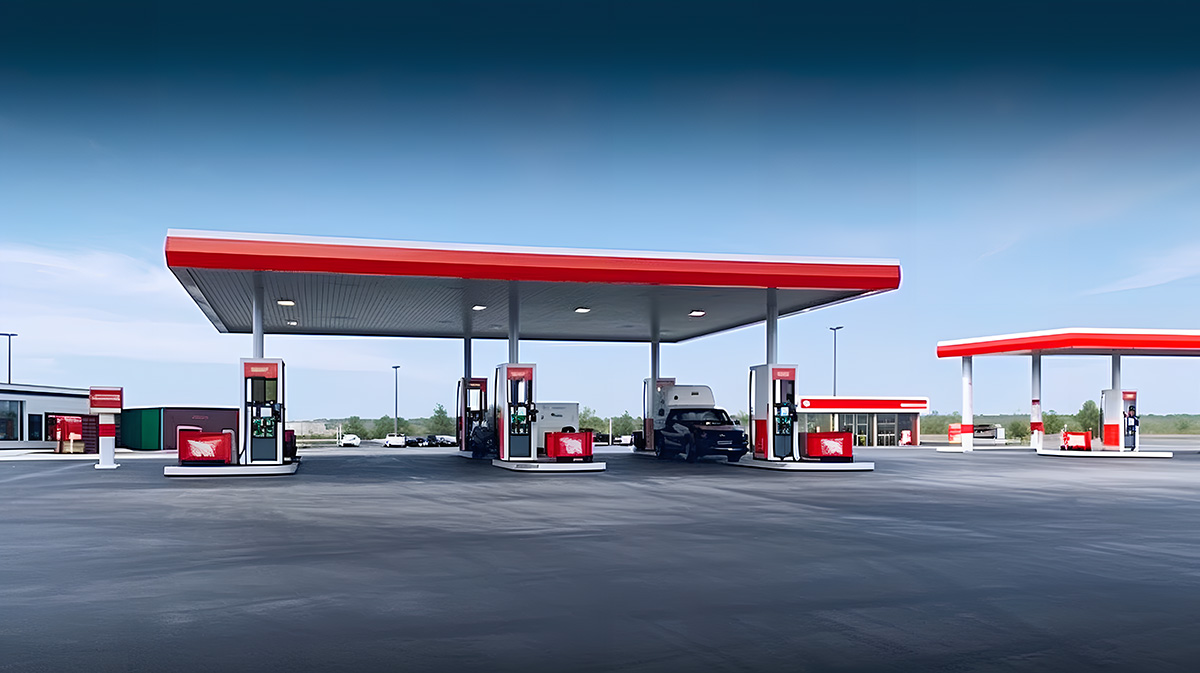
加油站根据不同区域,大致可分为卸油、加油、储油、油气处理与排放及后台控制等区域。在开展现场检查与监管时,不同区域关注的重点各有区别。加油站各区域平面图见图3。
Gas stations can be roughly divided into areas such as unloading, refueling, storage, oil and gas treatment and discharge, and backend control according to different regions. When conducting on-site inspections and supervision, the focus of attention varies in different regions. The floor plan of each area of the gas station is shown in Figure 3.
卸油区域应重点检查汽车罐车在卸油过程时,油气回收管线及卸油管线是否密闭连接;日常各个卸油口与油气回收口球阀开关是否关严以及盖帽是否密封;是否存在因加油站人员操作不规范导致的油气泄漏等。
The unloading area should focus on checking whether the oil and gas recovery pipeline and the unloading pipeline of the tanker truck are tightly connected during the unloading process; Whether the ball valves of various oil discharge ports and oil and gas recovery ports are tightly closed and whether the caps are sealed in daily life; Is there any oil or gas leakage caused by improper operation of gas station personnel.
加油区域通常为加油站罩棚下用于给机动车加油的地上区域,该区域应重点检查加油机内部油气回收时管线中可能出现油气泄漏的点位,观察加油过程油气回收泵是否存在异响,加油枪集气罩是否尽可能紧扣机动车油箱,检测口建设位置是否合理,位置是否便于进行密闭性与液阻检测,开关操作是否正确,盖帽是否齐全等。另外,加油站油气回收系统密闭性、加油枪气液比、管线液阻的检查均应在此区域。
The refueling area is usually the above ground area under the gas station canopy used to refuel motor vehicles. This area should focus on inspecting the points where oil and gas leaks may occur in the pipeline during the internal oil and gas recovery of the refueling machine, observing whether there is any abnormal noise from the oil and gas recovery pump during the refueling process, whether the gas collection cover of the refueling gun is tightly attached to the motor vehicle fuel tank as much as possible, whether the construction position of the inspection port is reasonable, whether the position is convenient for conducting tightness and liquid resistance tests, whether the switch operation is correct, and whether the cap is complete. In addition, the airtightness of the gas recovery system at the gas station, the gas-liquid ratio of the refueling gun, and the liquid resistance of the pipeline should all be checked in this area.
储油区域主要为加油站人井及地下罐所在区域(部分加油站受空间、地形等影响,油罐建设于加油站罩棚下的地下区域,即加油区域下方),应打开人井重点检查内部与地下罐区连接的管道上密闭点位是否存在泄漏,包括潜油泵、人工量油口、法兰盘、阀门、快接头等。
The oil storage area mainly refers to the area where gas station manholes and underground tanks are located (some gas stations are affected by space, terrain, etc., and oil tanks are built in the underground area under the gas station canopy, that is, below the refueling area). The manholes should be opened to check for leaks at the sealing points on the pipelines connected to the underground tank area, including submersible pumps, manual oil measuring ports, flanges, valves, quick couplings, etc.
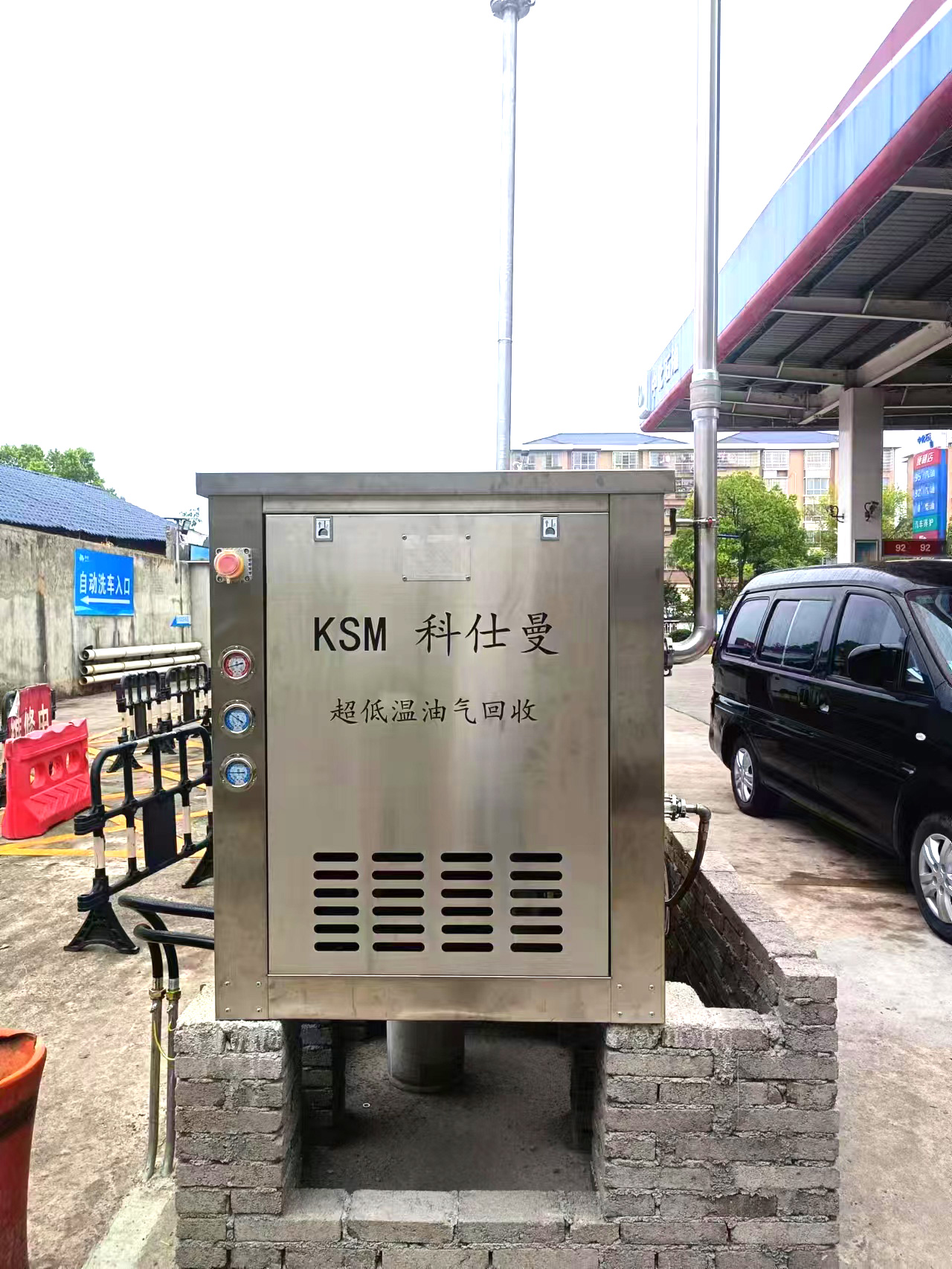
油气后处理装置与排放区域主要包括处理装置(如有)以及加油站油气排放通气管所在区域,重点检查装置是否正常运行,可结合后台控制界面观察装置压力、温度、排放浓度等重点数值进行初步判断;应了解装置使用的工艺及原理,进油口、回油口、排放口的位置及汽油与油气的流向;检查呼吸阀通气管与普通通气管的开关开闭是否操作正确;以及处理装置及通气管是否存在油气泄漏等,在此区域应开展油气处理装置油气排放的采集工作,并带回实验室按照标准方法进行排放浓度测试。
The oil and gas post-treatment device and discharge area mainly include the treatment device (if any) and the area where the oil and gas discharge vent pipe of the gas station is located. The focus is on checking whether the device is operating normally. The key values such as device pressure, temperature, and discharge concentration can be observed in conjunction with the backend control interface for initial judgment; It is necessary to understand the process and principles used in the device, as well as the positions of the inlet, return, and discharge ports, and the flow direction of gasoline and oil and gas; Check whether the opening and closing of the breathing valve ventilation tube and the ordinary ventilation tube are operated correctly; And whether there are oil and gas leaks in the processing equipment and ventilation pipes, etc. In this area, the collection of oil and gas emissions from the oil and gas processing equipment should be carried out, and brought back to the laboratory for emission concentration testing according to standard methods.
后台控制区域主要为加油站油气处理装置控制台、加油站在线监测控制台所在区域。对于处理装置,可通过查看装置的启停压力,对比在线监测系统罐压值判断后处理装置是否正常启停,检查装置进口压力与在线监测系统罐压值是否一致。对于在线监测系统,可通过调取历史记录与预警报警记录,确认加油站在日常运营时气液比与罐压是否正常,及时查找可能存在气液比超标风险的油枪并开展现场测试比对等。
The backend control area mainly includes the control console of the gas station's oil and gas processing equipment and the online monitoring console of the gas station. For the processing device, it is possible to check the start stop pressure of the device, compare the tank pressure value of the online monitoring system to determine whether the post-processing device starts and stops normally, and check whether the inlet pressure of the device is consistent with the tank pressure value of the online monitoring system. For online monitoring systems, historical records and warning alarm records can be retrieved to confirm whether the gas-liquid ratio and tank pressure are normal during daily operation of gas stations. It is necessary to promptly identify oil guns that may have the risk of gas-liquid ratio exceeding the standard and conduct on-site testing to compare them.
除以上重点区域检查内容外,可对加油站营业执照等证件、记录与维修台账、检测报告有效期进行检查,完成企业边界油气浓度无组织排放的采集工作,并带回实验室按照标准方法进行排放浓度测试。
In addition to the inspection contents of the key areas mentioned above, inspections can be conducted on gas station business licenses and other documents, records and maintenance ledgers, and the validity period of testing reports. The collection of unorganized emissions of oil and gas concentration at the boundary of the enterprise can be completed and brought back to the laboratory for emission concentration testing according to standard methods.
五、监管部门现场检查要点
5、 Key points for on-site inspection by regulatory authorities
1、卸油区域
1. Unloading area
卸油方式应采用浸没式,且卸油管出油口距罐底高度应小于200mm。连接软管应采用公称直径为100mm的密封式快速接头与卸油车连接。
The oil unloading method should be submerged, and the height of the oil outlet of the oil unloading pipe from the bottom of the tank should be less than 200mm. The connecting hose should be connected to the oil unloading truck using a sealed quick connector with a nominal diameter of 100mm.
在非卸油时间,卸油口及油气回收口阀门开关应关严关实,不应存在油气泄漏,盖帽内应使用橡胶圈更好地进行密封。
During non oil unloading time, the valve switches of the oil unloading port and oil and gas recovery port should be tightly closed, and there should be no oil or gas leakage. Rubber rings should be used inside the cap for better sealing.
卸油时应保证卸油油气回收系统密闭。卸油前卸油软管和油气回收软管应与油品运输汽车罐车和埋地油罐紧密连接,然后开启油气回收管路阀门,再开启卸油管路阀门进行卸油作业。卸油后应先关闭与卸油软管及油气回收软管相关的阀门,再断开卸油软管和油气回收软管。
When unloading oil, it is necessary to ensure that the oil and gas recovery system is sealed. Before unloading, the unloading hose and oil and gas recovery hose should be tightly connected to the oil transport truck and buried oil tank, and then the oil and gas recovery pipeline valve should be opened, followed by the unloading pipeline valve for unloading operations. After unloading, the valves related to the unloading hose and oil and gas recovery hose should be closed first, and then the unloading hose and oil and gas recovery hose should be disconnected.
2、加油区域
2. Refueling area
加油时,应采用真空辅助方式密闭收集加油产生的油气。
When refueling, a vacuum assisted method should be used to collect the oil and gas generated during refueling in a closed manner.
加油机内油气回收管道、真空泵及接口、螺帽等存在油气泄漏排放点位应保持密闭。
The oil and gas recovery pipeline, vacuum pump and interface, nut, and other oil and gas leakage discharge points inside the fuel dispenser should be kept sealed.
加油软管应配备拉断截止阀,加油时应防止溢油和滴油。
The refueling hose should be equipped with a shut-off valve to prevent oil spillage and dripping during refueling.
加油枪的气液比测试在该区域内进行,检测方法按照标准GB20952一2020中附录C进行监测,监督抽查时加油站气液比是否超标按照标准GB209522020中表4要求进行判定。地方如有更严格的要求,应按照地方要求执行。
The gas-liquid ratio test of the fuel gun is conducted in this area, and the detection method is monitored according to Appendix C of the standard GB20952-2020. During the supervision and spot check, whether the gas-liquid ratio of the gas station exceeds the standard is judged according to the requirements of Table 4 of the standard GB209522020. If there are stricter requirements in the local area, they should be implemented according to the local requirements.
液阻检测与系统密闭性检测均在该区域内进行,将测试设备与检测口连接后,检测方法按照标准GB20952-2020中附录A、附录B要求分别开展液阻、密闭性测试,并保证测试指标满足标准要求。
Both liquid resistance testing and system airtightness testing are conducted in this area. After connecting the testing equipment to the testing port, the testing methods are carried out according to the requirements of Appendix A and Appendix B of GB20952-2020, and the testing indicators are ensured to meet the standard requirements.
3、储油区域
3. Oil storage area
所有影响储油油气密闭性的部件,包括油气管线和所连接的法兰、阀门、快接头以及其他相关部件在正常工作状况下应保持密闭。
All components that affect the airtightness of oil storage, including oil and gas pipelines and connected flanges, valves, quick couplings, and other related components, should be kept sealed under normal working conditions.
油气泄漏浓度满足本标准油气回收系统密闭点位限值要求,监测采样和测定方法按HJ733的规定执行。
The concentration of oil and gas leakage meets the requirements of the closed point limit of the oil and gas recovery system in this standard, and the monitoring, sampling, and measurement methods shall be carried out in accordance with the provisions of HJ733.
埋地油罐应采用电子式液位计进行汽油密闭测量。
Underground oil tanks should use electronic level gauges for gasoline sealed measurement.
应采用符合GB50156相关规定的溢油控制措施。
Oil spill control measures that comply with the relevant provisions of GB50156 should be adopted.
4、油气后处理装置与排放区域
4. Oil and gas post-treatment equipment and discharge area
所有油气管线排放口应按GB50156的要求设置压力/真空阀,如设有阀门,阀门应保持常开状态;未安装压力/真空阀的汽油排放管应保持常闭状态。
All oil and gas pipeline discharge outlets should be equipped with pressure/vacuum valves in accordance with the requirements of GB50156. If valves are installed, they should be kept in a normally open state; Gasoline exhaust pipes without pressure/vacuum valves should be kept in a normally closed state.
油气处理装置内部管道、阀门等应保持密闭,外部与地下油罐连接的管道(进油管、排油管、油气排放管)及其法兰、开关、排放检测口(除检测外)应保持密闭。可通过采用氢火焰离子化检测仪与红外摄像方式检测进行检测。
The internal pipelines, valves, etc. of the oil and gas processing equipment should be kept sealed, and the pipelines (inlet pipes, outlet pipes, oil and gas discharge pipes) and their flanges, switches, and discharge detection ports (except for detection) connected to the underground oil tank on the outside should be kept sealed. It can be detected by using a hydrogen flame ionization detector and infrared camera.
油气处理装置排气口距地平面高度以及与周围建筑物的距离应根据环境影响评价文件确定,排气口应设阻火器。
The height of the exhaust outlet of the oil and gas treatment unit from the ground level and the distance from surrounding buildings should be determined according to the environmental impact assessment document, and the exhaust outlet should be equipped with a flame arrester.
油气处理装置出口应设置采样位置和操作平台,采样位置应优先选择在垂直或水平管段上。在选定的采样位置上应开设带法兰的采样孔,采样孔的设置参照GB/T16157、HJ/T397执行。采样孔的位置不宜过低,建议采样孔距平台地面高度1.2~1.3m,若无法满足以上要求,采样孔位置应便于开展采样操作。
Sampling positions and operating platforms should be set up at the outlet of oil and gas processing equipment, with priority given to selecting sampling positions on vertical or horizontal pipe sections. Sampling holes with flanges should be opened at the selected sampling locations, and the setting of sampling holes should follow GB/T16157 and HJ/T397. The position of the sampling hole should not be too low. It is recommended that the sampling hole be 1.2-1.3m above the platform ground. If the above requirements cannot be met, the sampling hole position should be convenient for conducting sampling operations.
油气处理装置在卸油期间应保持正常运行状态。
The oil and gas processing equipment should maintain normal operation during oil unloading.
5、后台控制区域
5. Backend control area
油气处理装置启停压力值的设置应能使装置正常运行,标准中建议的启动运行的压力感应值为+150Pa,停止运行的压力感应值为0~50Pa,各加油站可根据实际运营情况自行调整。(对于销售量较大的加油站,可适当提高装置启动压力,降低装置因频繁启动造成的损坏风险。)
The setting of the start stop pressure value of the oil and gas processing device should enable the device to operate normally. The recommended pressure sensing value for starting operation in the standard is+150Pa, and the pressure sensing value for stopping operation is 0-50Pa. Each gas station can adjust it according to the actual operating situation. (For gas stations with high sales volume, the starting pressure of the device can be appropriately increased to reduce the risk of damage caused by frequent starting of the device.)
在线监测系统应能够监测每条加油枪气液比和油气回收系统压力,具备至少储存1年数据、远距离传输,具备预警、警告功能。
The online monitoring system should be able to monitor the gas-liquid ratio of each refueling gun and the pressure of the oil and gas recovery system, with at least one year of data storage, long-distance transmission, and warning functions.
油气处理装置应能监测进出口的压力、油气温度(冷凝法)、实时运行情况和运行时间等。
The oil and gas processing equipment should be able to monitor the pressure at the inlet and outlet, oil and gas temperature (condensation method), real-time operation status, and operation time.
6、其他区域
6. Other regions
按照相关标准要求开展企业边界油气浓度无组织排放监测采样和测定。其中监测采样方法按HJ/T55要求执行,测试方法按HJ604要求执行,监测频次与液阻、密闭性和气液比监测要求相同。排放值应满足标准要求。
Carry out monitoring, sampling, and measurement of unorganized emissions of oil and gas concentration at the boundary of enterprises in accordance with relevant standards. The monitoring sampling method shall comply with the requirements of HJ/T55, and the testing method shall comply with the requirements of HJ604. The monitoring frequency shall be the same as the requirements for liquid resistance, airtightness, and gas-liquid ratio monitoring. The emission value should meet the standard requirements.
加油站应建立关于油气回收系统运行情况的日常检查记录台账,包含记录系统重要零部件的维修信息。
Gas stations should establish a daily inspection record ledger for the operation of the oil and gas recovery system, including maintenance information for important system components.
加油站应对大气污染物排放状况开展自行监测。依法建立企业监测制度,制定监测方案。第三方检测报告应涵盖标准中所有检测项目,且在有效期内,保证系统正常运行。
Gas stations should conduct self-monitoring of atmospheric pollutant emissions. Establish a monitoring system for enterprises in accordance with the law and develop monitoring plans. The third-party testing report should cover all testing items in the standard and ensure the normal operation of the system within the validity period.
加油站排污单位废气排放口的监测点位、监测项目及监测频次具体见表2。
The monitoring points, monitoring items, and monitoring frequency of exhaust gas discharge outlets of gas station emission units are detailed in Table 2.
7、台账记录
7. Ledger records
加油站应建立油气回收系统运行与维护台账。
Gas stations should establish a ledger for the operation and maintenance of oil and gas recovery systems.
本文由 加油站三次油气回收设备 友情奉献.更多有关的知识请点击 http://www.kosman.com.cn/ 真诚的态度.为您提供为全面的服务.更多有关的知识我们将会陆续向大家奉献.敬请期待.
This article is a friendly contribution from the gas station's three times oil and gas recovery equipment For more related knowledge, please click http://www.kosman.com.cn/ Sincere attitude To provide you with comprehensive services We will gradually contribute more relevant knowledge to everyone Coming soon.
地址:山东省菏泽市成武县经济开发区机电产业园钢架结构单层5号
 【微信二维码】
  留言咨询
留言咨询Adopting different technology and process control schemes
 鲁公网安备 337172302372103号