三次油气回收设备原理拆解!一步步看懂,新手也能学会
三次油气回收设备原理拆解!一步步看懂,新手也能学会
Disassemble the principle of the three oil and gas recovery equipment! Step by step understanding, even beginners can learn
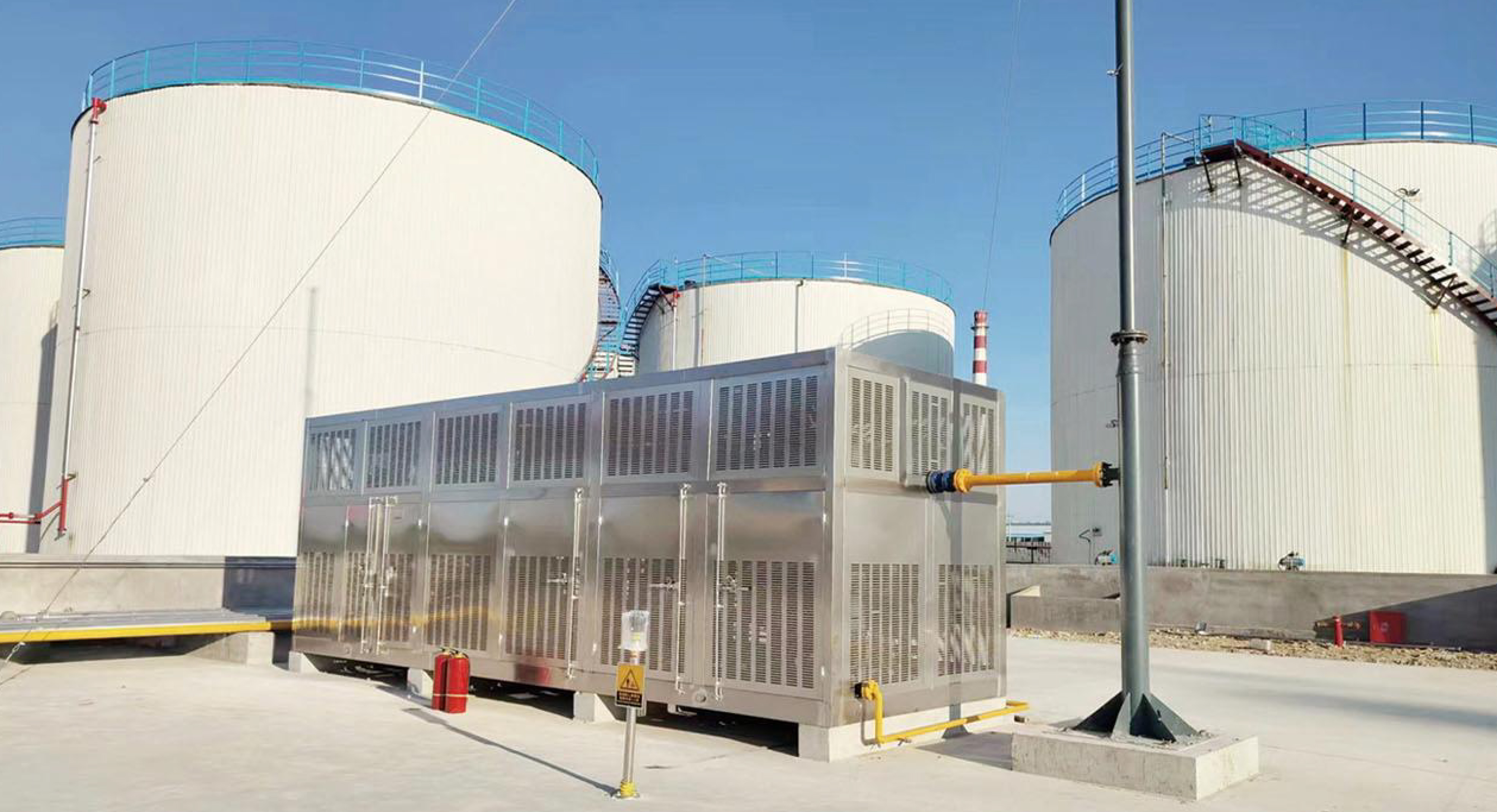
做油气相关行业的朋友们,不管是加油站、油罐车运营,还是相关设备维护,肯定都听过三次油气回收设备,但很多人对它的工作原理一知半解,总觉得是复杂的专业设备,看不懂、弄不明白。今天就不玩专业术语,拿三次油气回收的完整流程,实打实地给大家拆解讲解,一步步把原理讲透彻,不用死记硬背,跟着流程走,新手也能轻松学会,看完你就知道它到底是怎么工作的了。
Friends who work in the oil and gas related industry, whether it's gas stations, tank truck operations, or related equipment maintenance, have definitely heard of oil and gas recovery equipment three times. However, many people have only a partial understanding of its working principle and always feel that it is a complex professional equipment that they cannot understand or comprehend. Today, I won't play with professional terminology. Instead, I will explain the complete process of three oil and gas recovery steps in person, explaining the principles step by step without rote memorization. Follow the process and even beginners can easily learn it. After reading it, you will know how it works.
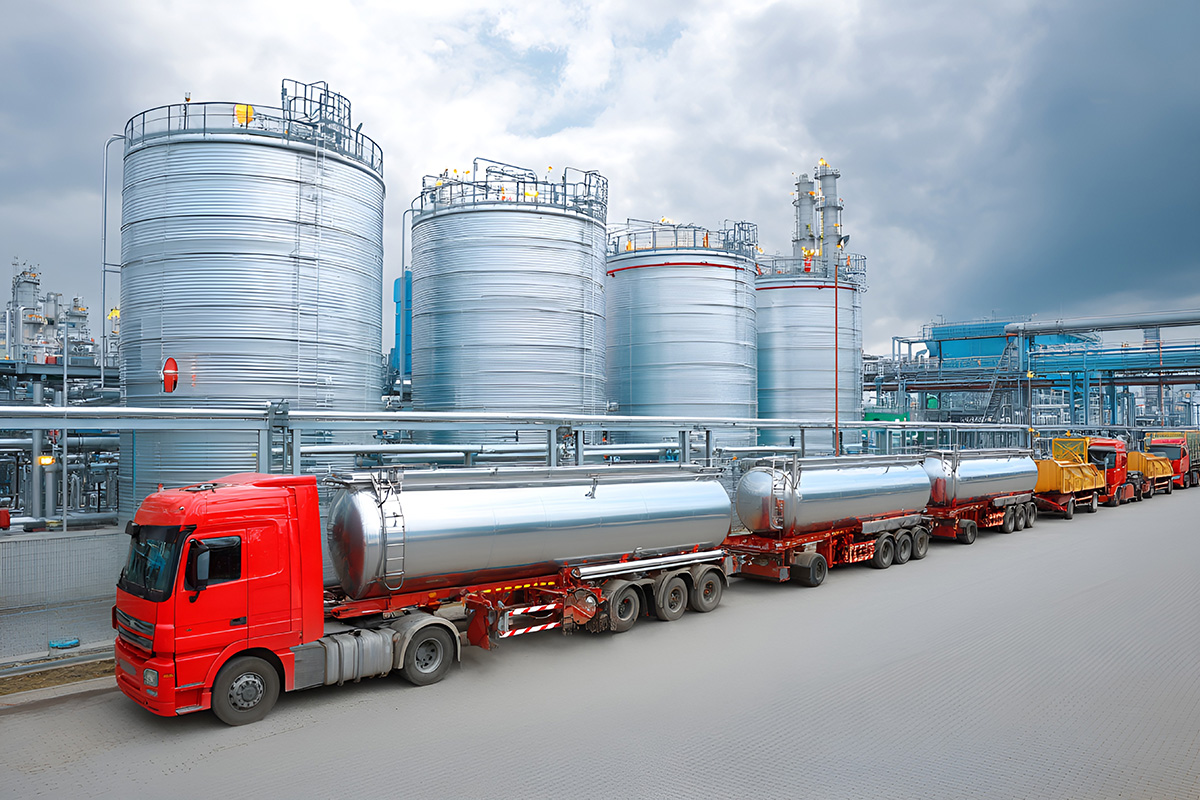
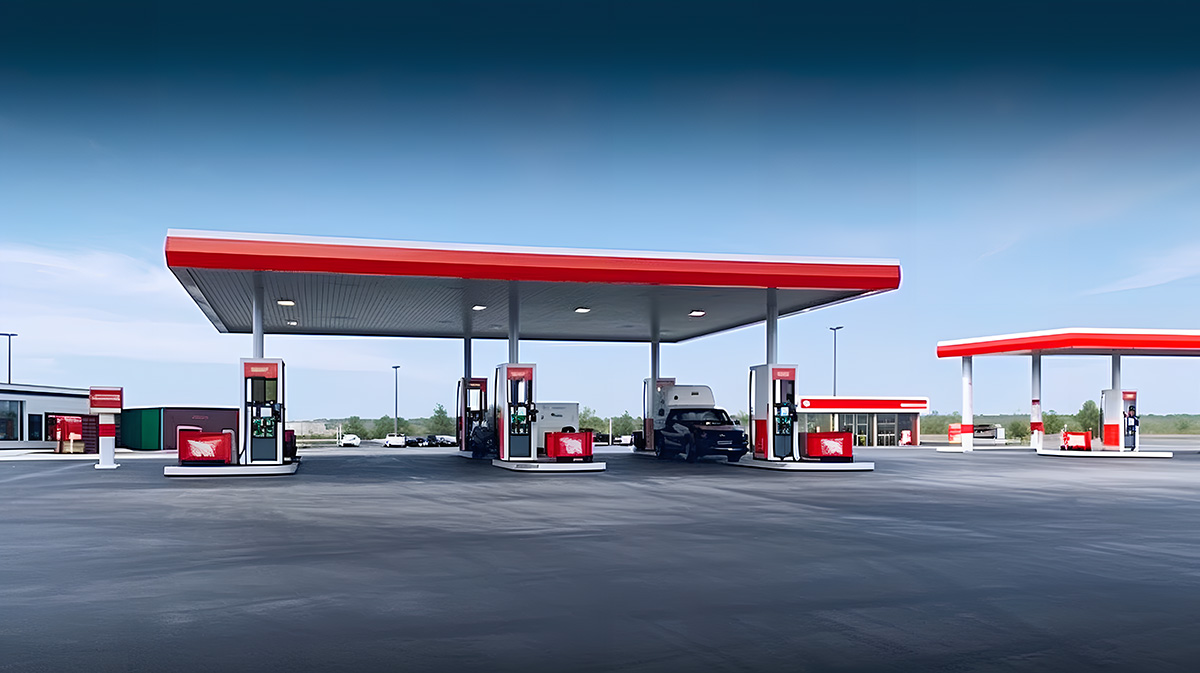
首先跟大家说个实在的,三次油气回收设备的核心作用,就是把油罐里挥发的油气收集、处理,一部分转化为液体回收利用,一部分处理成合格气体排放,既环保又能减少资源浪费,现在不管是加油站还是各类储油场所,基本都离不开它。很多人觉得它的原理复杂,其实说白了,就是“收集-处理-回收-排放”这几个步骤,咱们一步步慢慢唠,结合实际操作流程,一看就懂。
First of all, let me be honest with you. The core function of the tertiary oil and gas recovery equipment is to collect and process the volatile oil and gas in the oil tank. Part of it is converted into liquid for recycling, and the other part is treated into qualified gas for emission. It is both environmentally friendly and can reduce resource waste. Nowadays, whether it is gas stations or various oil storage sites, they are basically inseparable from it. Many people think that its principle is complex, but in other words, it is the steps of "collection treatment recycling emission". Let's talk about them step by step, combined with the actual operation process, and understand them at a glance.
今天我就拿三次油气回收的完整流程,给大家具体介绍它的工作原理,全程不绕弯子,每一步都讲得明明白白。咱们先从源头说起,不管是加油站的储油罐,还是其他各类储油设备,里面的燃油都会自然挥发,产生油气。这些油气如果直接排放,不仅浪费资源,还会污染环境,甚至存在安全隐患,而三次油气回收设备,就是用来解决这个问题的。
Today, I will give you a detailed introduction to the working principle of the complete process of three oil and gas recovery processes. The whole process is straightforward and every step is explained clearly. Let's start from the source, whether it's the fuel tanks at gas stations or other types of storage equipment, the fuel inside will naturally evaporate, producing oil and gas. If these oil and gas are directly discharged, it not only wastes resources, but also pollutes the environment, and even poses safety hazards. The tertiary oil and gas recovery equipment is designed to solve this problem.
第一步,油气收集。当油罐当中的气体压力达到一定程度之后,这些挥发的油气就会自动从设备的进气口,进入到三次油气回收设备当中,这一步就相当于给油气“找了一条正确的出路”,避免它直接扩散到空气中,既环保又能留住可回收的资源,操作起来也不用人工干预,完全靠压力自动触发,特别省心。
The first step is to collect oil and gas. When the gas pressure in the oil tank reaches a certain level, the volatile oil and gas will automatically enter the tertiary oil and gas recovery equipment through the inlet of the equipment. This step is equivalent to "finding the right way out" for the oil and gas, avoiding it from directly diffusing into the air. It is both environmentally friendly and can retain recyclable resources. It does not require manual intervention in operation, and is completely triggered by pressure, which is particularly worry free.
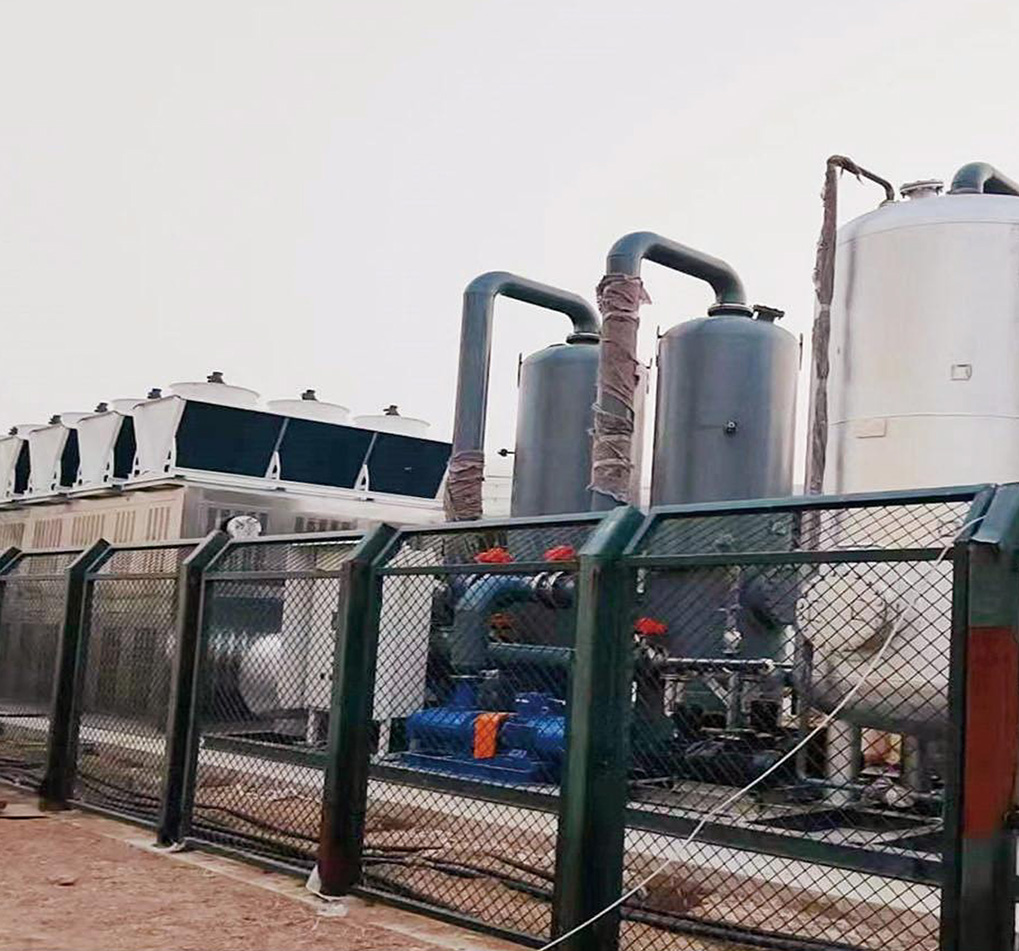
油气进入设备之后,就到了第二步,增温增压处理。这一步主要靠设备里的压缩机来完成,压缩机就相当于设备的“动力核心”,它会对进入设备的油气,进行增温增压处理。可能有朋友会问,为什么要增温增压?其实很简单,只有通过增温增压,才能让后续的液化冷凝步骤顺利进行,让气态的油气更容易转化为液态,为后续的回收做好准备,这一步是油气处理的关键环节,缺一不可。
After the oil and gas enter the equipment, the second step is to increase temperature and pressure. This step is mainly completed by the compressor in the equipment, which is equivalent to the "power core" of the equipment. It will perform warming and boosting treatment on the oil and gas entering the equipment. Some friends may ask, why do we need to increase temperature and pressure? It's actually very simple. Only by increasing temperature and pressure can the subsequent liquefaction and condensation steps proceed smoothly, making it easier for gaseous oil and gas to be converted into liquid, and preparing for subsequent recovery. This step is a key link in oil and gas processing and is indispensable.
完成增温增压之后,就到了第三步,液化冷凝。经过压缩机处理后的油气,温度和压力都升高了,这时候会通过风冷系统,快速对这些增温增压后的油气,进行降温冷却,实现液化冷凝。简单来说,就是通过风冷,把高温高压的油气快速降温,让气态的油气变成液态的燃油,这个过程就像咱们夏天喝冰镇饮料,瓶子外壁会凝结水珠一样,原理很相似,只是设备的处理效率更高、更精准。
After completing the temperature and pressure increase, the third step is liquefaction and condensation. After being processed by the compressor, the temperature and pressure of the oil and gas have increased. At this time, the air cooling system will quickly cool and condense the heated and pressurized oil and gas, achieving liquefaction and condensation. Simply put, it is the process of rapidly cooling high-temperature and high-pressure oil and gas through air cooling, turning gaseous oil and gas into liquid fuel. This process is similar to drinking chilled drinks in summer, where water droplets condense on the outer wall of a bottle. The principle is very similar, but the processing efficiency and precision of the equipment are higher.
液化冷凝完成后,这些已经变成液体的燃油,会直接转移到设备的液化罐当中,进行临时储存。这时候就到了第四步,初步回收,液化罐里一部分已经完全成为液体的燃油,会通过专用管道,重新回到原来的油罐当中,实现资源的回收利用,相当于把挥发掉的燃油“找了回来”,既减少了浪费,又降低了运营成本,这也是三次油气回收设备的核心优势之一。
After liquefaction and condensation are completed, the fuel that has become liquid will be directly transferred to the liquefaction tank of the equipment for temporary storage. At this point, we have reached the fourth step of initial recovery. A portion of the fuel that has completely become liquid in the liquefaction tank will be transported back to its original tank through a dedicated pipeline, achieving resource recycling. This is equivalent to "finding back" the evaporated fuel, reducing waste and operating costs. This is also one of the core advantages of tertiary oil and gas recovery equipment.
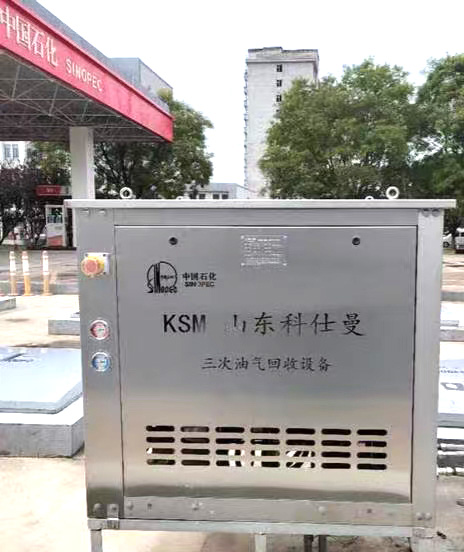
不过大家要注意,并不是所有进入设备的油气,都能一次性完成液化冷凝,还有一部分没有完全液化的油气,会继续通过管道,进入到下一个处理环节--膜结构处理器。这就是第五步,深度处理,也是三次油气回收的关键一步,主要用来处理那些未完全液化的残余油气。
However, it should be noted that not all oil and gas entering the equipment can be liquefied and condensed in one go. Some oil and gas that have not been completely liquefied will continue to pass through pipelines and enter the next processing stage - membrane structure processor. This is the fifth step, deep processing, which is also a key step in the third stage of oil and gas recovery, mainly used to process residual oil and gas that have not been fully liquefied.
膜结构处理器就相当于一个“筛选器”,它的核心作用是将油气分子和空气分子分离开来,精准筛选出未完全液化的油气分子,然后对这些油气分子进一步处理,让它们继续转化为液态燃油,而经过筛选后的合格气体,会达到环保排放标准,直接排放到空气中,不会对环境造成污染,真正实现了“回收利用+环保排放”双重效果。
The membrane structure processor is equivalent to a "filter", whose core function is to separate oil and gas molecules from air molecules, accurately screen out incompletely liquefied oil and gas molecules, and then further process these oil and gas molecules to continue converting them into liquid fuel. After screening, qualified gases will meet environmental emission standards and be directly discharged into the air without causing pollution to the environment, truly achieving the dual effect of "recycling+environmental emissions".
最后一步,二次回收。经过膜结构处理器处理后,那些再次转化为液态的燃油,会通过管道,重新回到原来的油罐当中,和之前初步回收的液态燃油汇合,实现全部可回收油气的回收利用。到这里,整个三次油气回收的流程就全部完成了,既没有浪费一滴可回收的油气,又实现了环保排放,一举两得。
The final step is secondary recycling. After being processed by the membrane structure processor, the fuel that is converted back into liquid form will be transported back to the original oil tank through pipelines, where it will merge with the previously recovered liquid fuel, achieving the recycling and utilization of all recyclable oil and gas. At this point, the entire three stages of oil and gas recovery have been completed, without wasting a single drop of recyclable oil and gas, and achieving environmentally friendly emissions, killing two birds with one stone.
总结一下,三次油气回收设备的工作原理,其实并不复杂,全程就是六个关键步骤:油罐压力达标后,油气从进气口进入设备→压缩机对油气增温增压→风冷系统将油气液化冷凝→液化燃油进入液化罐,一部分初步回收至油罐→残余油气进入膜结构处理器,分离油气分子→合格气体排放,剩余液态燃油二次回收至油罐。
To sum up, the working principle of the three-stage oil and gas recovery equipment is not complicated. The whole process consists of six key steps: after the oil tank pressure meets the standard, the oil and gas enter the equipment through the inlet → the compressor heats and pressurizes the oil and gas → the air cooling system liquefies and condenses the oil and gas → the liquefied fuel enters the liquefaction tank, and a part is initially recovered to the oil tank → the residual oil and gas enters the membrane structure processor to separate the oil and gas molecules → the qualified gas is discharged, and the remaining liquid fuel is recovered to the oil tank for the second time.
很多朋友觉得这类设备原理复杂,主要是因为没被人用通俗的语言拆解过,今天我用最接地气的表述,一步步拆解完整个流程,相信大家都能看明白、学记住。不管是做设备运营、维护,还是单纯想了解相关知识,只要记住这个流程,就能轻松搞懂三次油气回收设备的工作原理,再也不用被专业术语绕晕了。
Many friends think that the principle of such devices is complex, mainly because they have not been disassembled in plain language. Today, I will use the most down-to-earth expression to disassemble the entire process step by step. I believe everyone can understand and learn to remember it. Whether it's equipment operation, maintenance, or simply wanting to learn related knowledge, as long as you remember this process, you can easily understand the working principle of the tertiary oil and gas recovery equipment, and no longer be confused by professional terminology.
地址:山东省菏泽市成武县经济开发区机电产业园钢架结构单层5号
 【微信二维码】
  留言咨询
留言咨询Adopting different technology and process control schemes
 鲁公网安备 337172302372103号