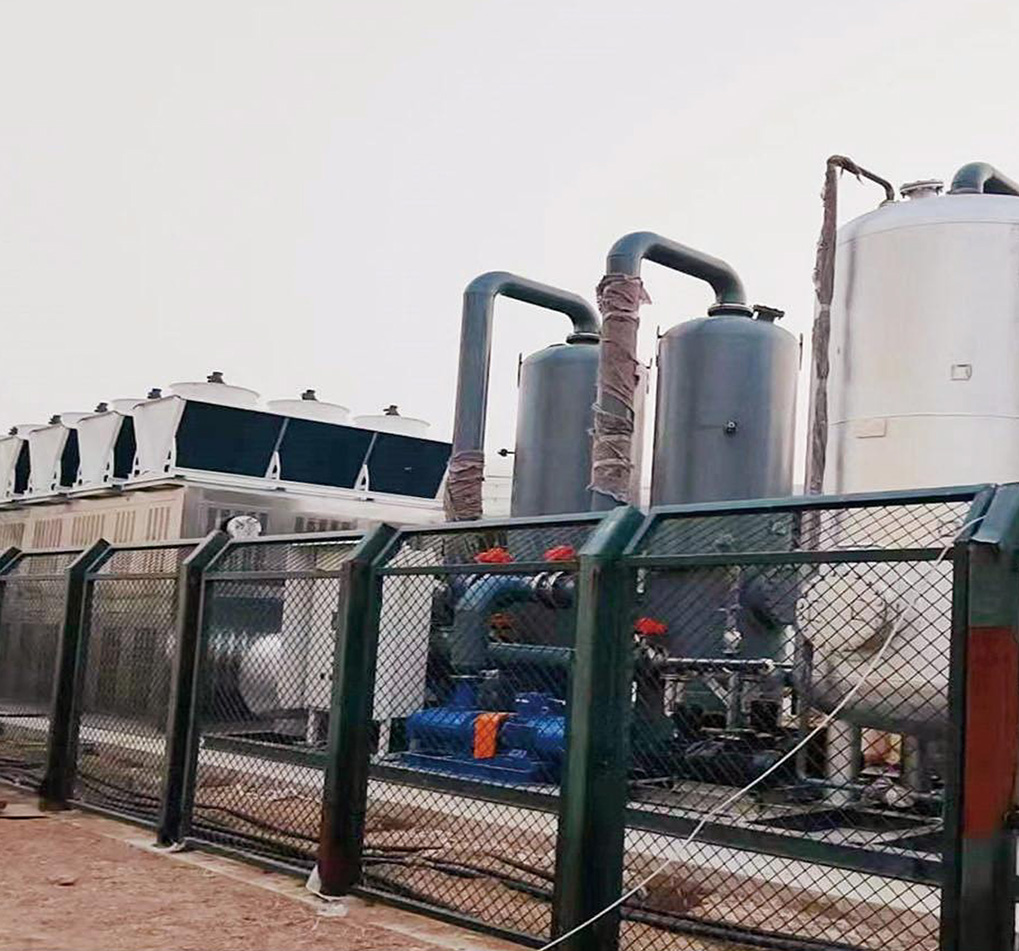
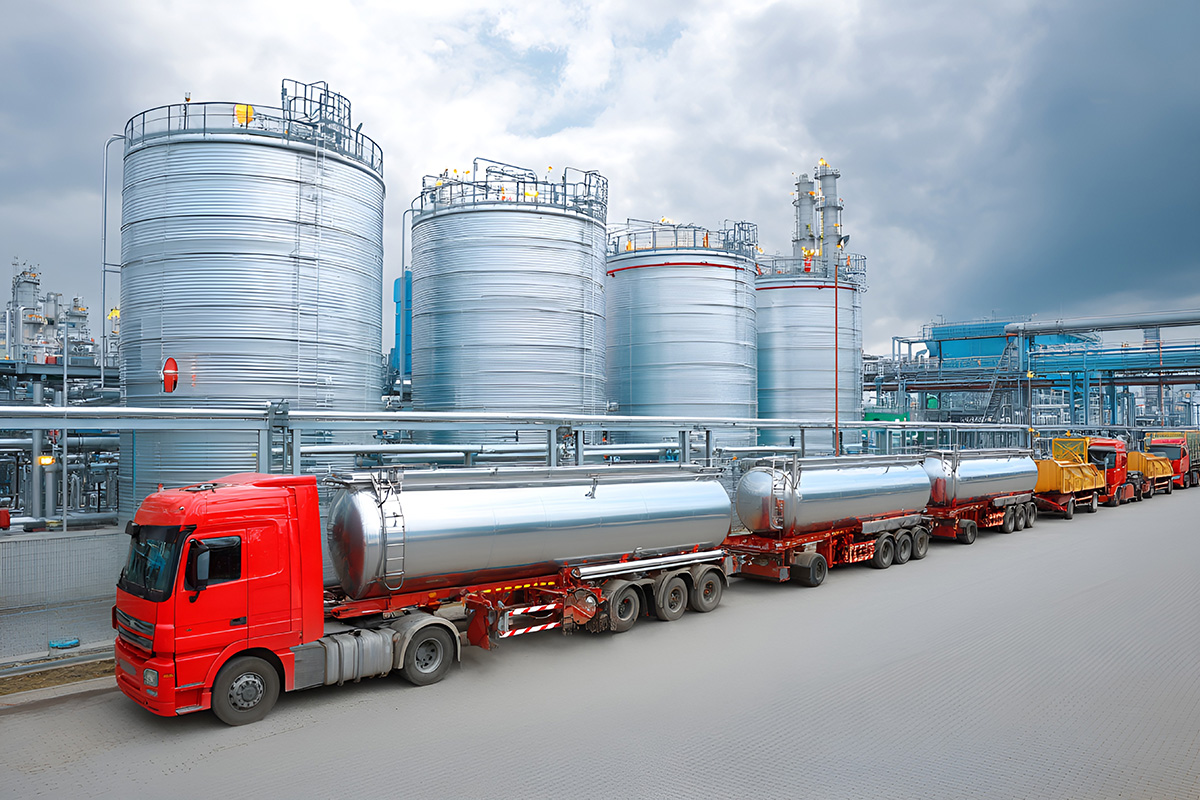
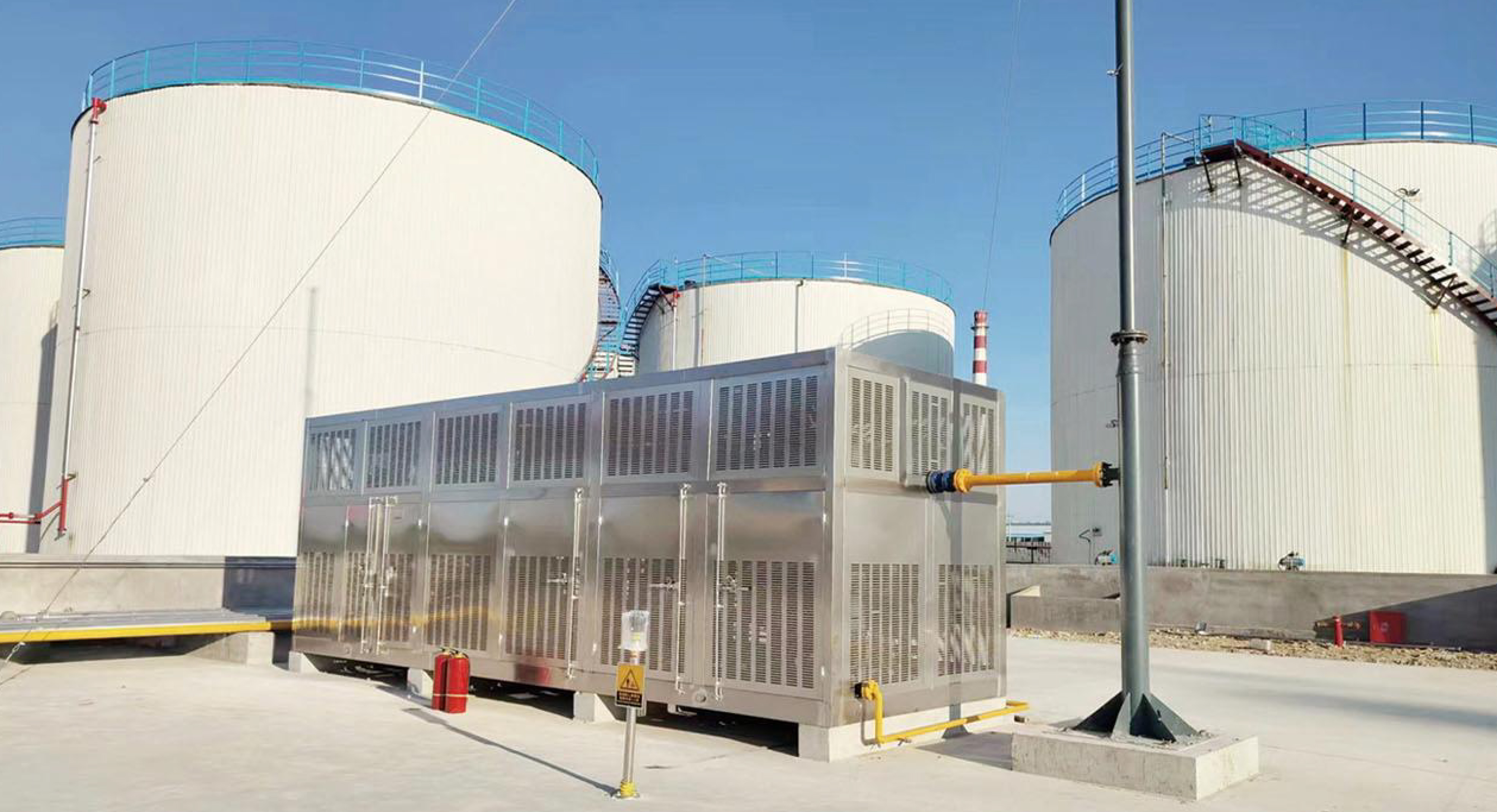
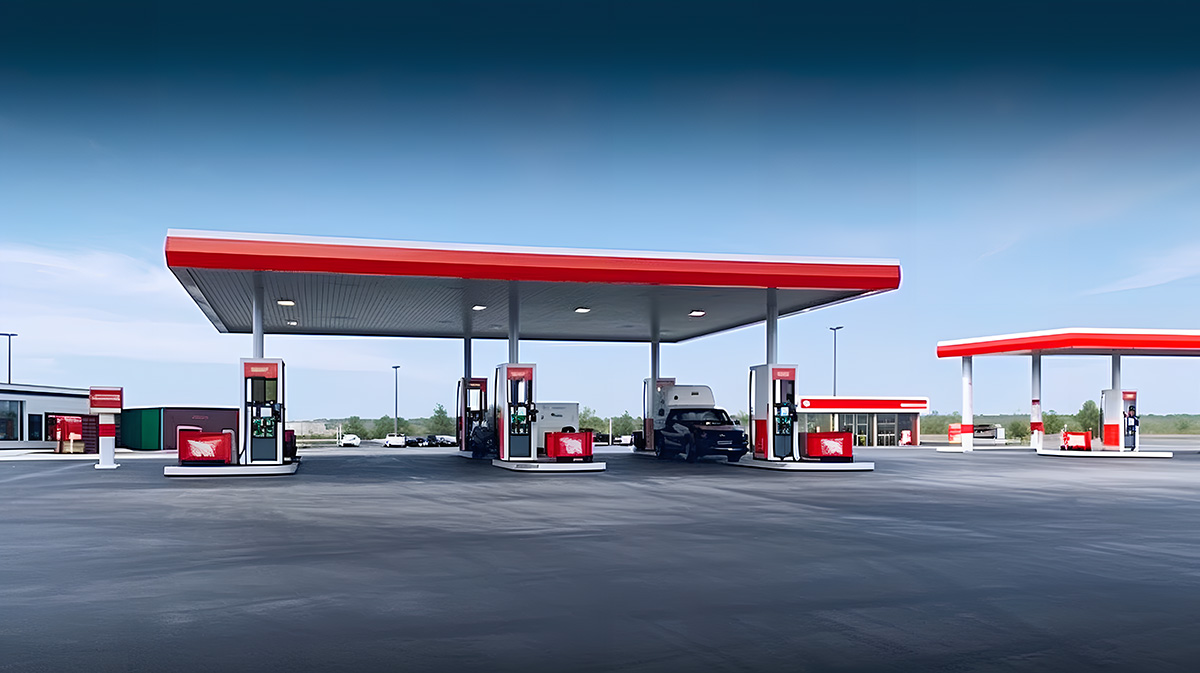
加油站油气回收设备:以将油气进行回收和集中处理进一步转变为汽油
油气污染物主要由碳氢等挥发性有机物组成,许多成分具有致癌作用,并且在空气中会转化生成臭氧(O3)和细颗粒物(PM2.5),是造成光化学烟雾、灰霾等大气污染问题的重要原因。同时,油气污染物属于易燃易爆气体,遇火极易发生爆炸或火灾事故。通过油气污染治理,可以将油气进行回收和集中处理,进一步转变为汽油,有利于节约资源和保护环境。01
Oil and gas pollutants are mainly composed of volatile organic compounds such as hydrocarbons, many of which have carcinogenic effects and can be converted into ozone (O3) and fine particulate matter (PM2.5) in the air. They are an important cause of atmospheric pollution problems such as photochemical smog and haze. Meanwhile, oil and gas pollutants belong to flammable and explosive gases, which are highly prone to explosions or fire accidents when exposed to fire. Through the treatment of oil and gas pollution, oil and gas can be recovered and centrally processed, further converted into gasoline, which is beneficial for conserving resources and protecting the environment. 01
油气回收的政策要求
Policy requirements for oil and gas recovery
《打赢蓝天保卫战三年行动计划》《柴油货车污染治理攻坚战行动计划》《重点行业挥发性有机物综合治理方案》《2020年挥发性有机物治理攻坚方案》等一系列文件均提出加强油品储运销VOCs污染治理。2018年发布的《加油站油气回收在线监控系统技术要求(征求意见稿)》,规定了汽车加油站在进行油气回收在线监控系统安装建设时的系统组成、应遵循的技术要求、性能指标和安装要求。适用于加油站油气回收在线监控系统的设计、安装、检验及验收的指导,也可用于油气回收系统的日常运行维护监控。为进一步推动加油站VOCs减排,出台了《加油站大气污染物排放标准》(GB 20952—2020)标准,规定了加油站在汽油(包括含醇汽油)卸油、储存、加油过程中油气排放控制要求、监测和监督管理要求。加油站汽油系统需配套安装油气回收设施。根据《排污单位自行监测技术指南?储油库、加油站》(HJ 1249—2022)的规定,自2022年1月1日起,依法被确定为重点排污单位的加油站依法依规应当安装使用自动监测设备。这要求重点加油站必须安装和运行油气回收在线监测系统,以确保油气回收效率和环境安全。
A series of documents, including the "Three Year Action Plan for Winning the Blue Sky Defense War," "Action Plan for Fighting Diesel Truck Pollution Control," "Comprehensive Management Plan for Volatile Organic Compounds in Key Industries," and "2020 Volatile Organic Compound Control Plan," all propose to strengthen the treatment of VOCs pollution in oil storage, transportation, and sales. The "Technical Requirements for Online Monitoring System of Oil and Gas Recovery at Gas Stations (Draft for Comments)" released in 2018 specifies the system composition, technical requirements, performance indicators, and installation requirements that should be followed when installing and constructing online monitoring systems for oil and gas recovery at automobile gas stations. This is a guide for the design, installation, inspection, and acceptance of online monitoring systems for oil and gas recovery at gas stations, and can also be used for daily operation, maintenance, and monitoring of oil and gas recovery systems. In order to further promote the reduction of VOCs emissions at gas stations, the "Emission Standards for Air Pollutants at Gas Stations" (GB 20952-2020) standard has been issued, which stipulates the requirements for controlling oil and gas emissions during the unloading, storage, and refueling process of gasoline (including alcohol containing gasoline) at gas stations, as well as monitoring and supervision management requirements. The gasoline system at the gas station needs to be equipped with oil and gas recovery facilities. According to the "Technical Guidelines for Self Monitoring of Pollutant Discharge Units - Oil Storage Tanks and Gas Stations" (HJ 1249-2022), starting from January 1, 2022, gas stations designated as key pollutant discharge units shall install and use automatic monitoring equipment in accordance with laws and regulations. This requires key gas stations to install and operate oil and gas recovery online monitoring systems to ensure oil and gas recovery efficiency and environmental safety.
各地也纷纷响应油气回收建设要求,如《山东省加油站油气回收在线监控及联网技术要求》规定,2022年年底前,已与生态环境部门联网的年销售汽油量大于5000吨(含)的加油站完成联网升级改造。推进年销售汽油量大于3000吨(含)的加油站安装油气回收在线监测系统,并与生态环境部门联网,2023—2025年,分别至少完成本市加油站保有量30%、30%、40%的联网任务,2025年年底前全部完成。《湖南省大气污染防治“守护蓝天”攻坚行动计划(2023—2025年)》提出,到2025年,年销售汽油量大于5000吨(含)的加油站全面完成油气回收在线监测设施安装并联网。《广东省空气质量持续改善行动方案》要求到2025年,年销售汽油量大于(含)2000吨的加油站全部安装油气回收自动监控设施并与生态环境部门联网。?
Various regions have also responded to the requirements for oil and gas recovery construction, such as the "Technical Requirements for Online Monitoring and Networking of Oil and Gas Recovery at Gas Stations in Shandong Province", which stipulates that by the end of 2022, gas stations with an annual sales volume of more than 5000 tons (including) that have been connected to the ecological environment department shall complete the network upgrade and renovation. Promote the installation of online monitoring systems for oil and gas recovery at gas stations with an annual sales volume of over 3000 tons (including), and connect them with the ecological environment department. From 2023 to 2025, at least 30%, 30%, and 40% of the city's gas station inventory will be connected, and all will be completed by the end of 2025. The Action Plan for "Guarding Blue Sky" in Air Pollution Prevention and Control in Hunan Province (2023-2025) proposes that by 2025, gas stations with an annual sales volume of more than 5000 tons (including) of gasoline will fully complete the installation and networking of online monitoring facilities for oil and gas recovery. The Action Plan for Continuous Improvement of Air Quality in Guangdong Province requires that by 2025, all gas stations with an annual sales volume of more than (including) 2000 tons of gasoline should install automatic monitoring facilities for oil and gas recovery and be connected to the ecological environment department.?
02
02
加油站油气回收工作原理
Working principle of gas station oil and gas recovery
1.卸油过程监测01在油罐车卸油时,油气回收系统会将油罐车内的油气通过气相管道输送回加油站的地下油罐。在线监测系统中的传感器会监测气相管道内的压力、流量和油气浓度。例如,根据伯努利方程,通过监测压力差和流量可以判断油气是否正常回收。如果压力差过小或者流量异常,可能是卸油油气回收装置出现故障。2.加油过程监测02当汽车加油时,加油枪的出油动作会同时触发油气回收。油气通过回收通道被收集到地下油罐或者油气回收处理设备中。系统通过流量传感器监测加油量,同时利用压力和浓度传感器监测回收油气的状态。例如,按照一定的油气回收比例(如 1:1 的气液比),当加油量为 10?升时,理论上应该回收 10?升左右的油气。如果实际回收量与理论值偏差过大,系统就会发出警报。3.储油过程监测03在储油阶段,主要监测地下油罐内的压力和油气浓度变化。因为温度变化等因素可能会导致油罐内油气压力和浓度改变。通过监测这些参数,可以及时发现油罐的密封性能是否良好。如果油罐密封不好,油气会泄漏,导致油气浓度下降和压力异常。
1. Unloading process monitoring 01: When unloading oil from a tanker truck, the oil and gas recovery system will transport the oil and gas inside the tanker truck back to the underground oil tank at the gas station through gas-phase pipelines. The sensors in the online monitoring system will monitor the pressure, flow rate, and oil and gas concentration inside the gas-phase pipeline. For example, according to the Bernoulli equation, monitoring pressure difference and flow rate can determine whether oil and gas are being recovered normally. If the pressure difference is too small or the flow rate is abnormal, it may be a malfunction of the oil and gas recovery device. 2. Refueling process monitoring 02: When the car is refueling, the dispensing action of the refueling gun will simultaneously trigger the recovery of oil and gas. Oil and gas are collected into underground oil tanks or oil and gas recovery and treatment equipment through recovery channels. The system monitors the refueling volume through flow sensors, while using pressure and concentration sensors to monitor the status of recovered oil and gas. For example, according to a certain oil and gas recovery ratio (such as a 1:1 gas-liquid ratio), when the refueling amount is 10? In theory, should 10 be recycled when lifting? Approximately one liter of oil and gas. If the actual recycling amount deviates too much from the theoretical value, the system will issue an alarm. 3. Monitoring of oil storage process 03 During the oil storage stage, the main focus is on monitoring the pressure and changes in oil and gas concentration inside the underground oil tank. Due to factors such as temperature changes, the pressure and concentration of oil and gas inside the oil tank may change. By monitoring these parameters, it is possible to promptly detect whether the sealing performance of the oil tank is good. If the oil tank is not sealed properly, oil and gas will leak, causing a decrease in oil and gas concentration and abnormal pressure.
03
03
油气回收在线监控哪些数据
What data is monitored online for oil and gas recovery
1.加油枪监测数据气液比
1. Gas liquid ratio of fuel gun monitoring data
定义与计算:气液比是指加油时回收的油气体积与所加燃油体积之比。通过在加油枪和油气回收管道分别安装流量传感器,实时获取油气流量和燃油流量,然后计算气液比。例如,若加油枪燃油流速为30L/min,油气回收管道油气流量为36L/min(假设此时油气已换算为与燃油相同的体积单位),则气液比为36÷30 = 1.2。重要性与标准范围:气液比是衡量油气回收效率的关键指标。正常情况下,其范围一般在1.0 - 1.2之间。如果气液比过高,可能是油气回收系统吸力过大,会对汽车油箱等造成损害;如果气液比过低,则说明油气回收不完全,大量油气会泄漏到大气中,造成环境污染和安全隐患。油气流速和油气流量
Definition and Calculation: Gas liquid ratio refers to the ratio of the volume of recovered oil and gas to the volume of fuel added during refueling. By installing flow sensors on the refueling gun and oil and gas recovery pipeline respectively, real-time oil and gas flow rates and fuel flow rates can be obtained, and then the gas-liquid ratio can be calculated. For example, if the fuel flow rate of the refueling gun is 30L/min and the oil and gas flow rate of the oil and gas recovery pipeline is 36L/min (assuming that the oil and gas have been converted to the same volume unit as the fuel), then the gas-liquid ratio is 36 ÷ 30=1.2. Importance and standard range: Gas liquid ratio is a key indicator for measuring the efficiency of oil and gas recovery. Under normal circumstances, its range is generally between 1.0-1.2. If the gas-liquid ratio is too high, it may be due to excessive suction in the oil and gas recovery system, which can cause damage to the car's fuel tank, etc; If the gas-liquid ratio is too low, it indicates incomplete oil and gas recovery, and a large amount of oil and gas will leak into the atmosphere, causing environmental pollution and safety hazards. Oil and gas flow rate and oil and gas flow rate
油气流速:油气流速是指油气在油气回收管道中的流动速度,单位通常为米/秒(m/s)。它与油气流量密切相关,并且受到管道直径、油气回收泵的功率等因素的影响。例如,在直径较小的油气回收管道中,为了保证一定的油气流量,油气流速可能会相对较高。油气流量:油气流量是指单位时间内通过油气回收管道的油气体积,单位为立方米/分钟(m?/min)或升/分钟(L/min)。准确测量油气流量对于评估油气回收系统的运行效率至关重要。在实际监测中,通过安装在油气回收管道上的流量传感器来获取油气流量数据,并且要根据加油枪的出油情况来判断油气流量是否正常。例如,当加油枪出油流量为一定值时,油气流量应根据气液比要求保持在相应的合理范围内。燃油流速和燃油流量
Oil and gas flow velocity: Oil and gas flow velocity refers to the flow velocity of oil and gas in the oil and gas recovery pipeline, usually measured in meters per second (m/s). It is closely related to the flow rate of oil and gas, and is influenced by factors such as pipeline diameter and power of oil and gas recovery pumps. For example, in oil and gas recovery pipelines with smaller diameters, in order to ensure a certain oil and gas flow rate, the oil and gas flow velocity may be relatively high. Oil and gas flow rate: Oil and gas flow rate refers to the volume of oil and gas passing through the oil and gas recovery pipeline per unit time, measured in cubic meters per minute (m?/min) or liters per minute (L/min). Accurately measuring oil and gas flow rate is crucial for evaluating the operational efficiency of oil and gas recovery systems. In actual monitoring, oil and gas flow data is obtained through flow sensors installed on the oil and gas recovery pipeline, and whether the oil and gas flow is normal is judged based on the oil discharge of the refueling gun. For example, when the oil flow rate of the refueling gun is a certain value, the oil and gas flow rate should be maintained within a reasonable range according to the gas-liquid ratio requirements. Fuel flow rate and fuel flow rate
燃油流速:燃油流速是指燃油从加油枪流出的速度,单位为升/分钟(L/min)。它主要取决于加油枪的型号和内部结构。不同型号的加油枪燃油流速不同,燃油流速的稳定与否也能反映加油枪的工作状态是否正常。燃油流量:燃油流量是指在一定时间内从加油枪流出的燃油总体积,单位为升(L)。通过对燃油流量的监测,可以准确计算出加油的总量,用于加油站的油品销售统计等工作。同时,燃油流量也是计算气液比的重要参数之一,与油气流量配合使用,来评估油气回收系统的性能。回收油气浓度
Fuel flow rate: Fuel flow rate refers to the speed at which fuel flows out of the fuel nozzle, measured in liters per minute (L/min). It mainly depends on the model and internal structure of the fuel gun. The fuel flow rate of different models of refueling guns varies, and the stability of the fuel flow rate can also reflect whether the refueling gun is working properly. Fuel flow rate: Fuel flow rate refers to the total volume of fuel flowing out of the fuel nozzle within a certain period of time, measured in liters (L). By monitoring the fuel flow rate, the total amount of fuel added can be accurately calculated, which can be used for fuel sales statistics at gas stations. Meanwhile, fuel flow rate is also one of the important parameters for calculating gas-liquid ratio, which is used in conjunction with oil and gas flow rate to evaluate the performance of the oil and gas recovery system. Recovery of oil and gas concentration
定义与测量方法:回收油气浓度是指回收的油气中油气成分所占的比例,通常用体积分数(%)或质量分数(g/m?)来表示。可以通过气体检测仪器,如气相色谱仪或红外吸收式气体检测仪等来测量回收油气浓度。这些仪器能够对油气中的主要成分(如碳氢化合物)进行分析,从而得出准确的浓度数据。作用与影响因素:回收油气浓度对于评估后处理装置(如活性炭吸附装置、冷凝装置等)的负荷和处理效果很重要。如果回收油气浓度过高,可能会超出后处理装置的处理能力,导致处理不完全,使部分油气排放到大气中。其浓度受到多种因素的影响,如加油量、汽车油箱内原有油气含量、油气回收系统的密封性等。回收油气温度
Definition and measurement method: The concentration of recovered oil and gas refers to the proportion of oil and gas components in the recovered oil and gas, usually expressed as volume fraction (%) or mass fraction (g/m?). The concentration of recovered oil and gas can be measured using gas detection instruments such as gas chromatographs or infrared absorption gas detectors. These instruments can analyze the main components in oil and gas, such as hydrocarbons, to obtain accurate concentration data. Function and influencing factors: The concentration of recovered oil and gas is important for evaluating the load and treatment effect of post-treatment devices (such as activated carbon adsorption devices, condensation devices, etc.). If the concentration of recovered oil and gas is too high, it may exceed the processing capacity of the post-treatment device, resulting in incomplete treatment and partial emission of oil and gas into the atmosphere. Its concentration is influenced by various factors, such as the amount of fuel added, the existing oil and gas content in the car's fuel tank, and the sealing of the oil and gas recovery system. Recovery oil and gas temperature
影响因素与变化范围:回收油气温度主要受到环境温度、油品温度以及油气回收过程中的能量转换等因素的影响。一般情况下,回收油气温度在环境温度到油品温度之间波动。例如,在夏季高温环境下,回收油气温度可能会相对较高;而在冬季,温度则会较低。其温度范围可能在?- 20℃到60℃左右,具体取决于加油站所处的地理位置和季节。对系统的影响:回收油气温度会影响油气的物理性质,如密度和体积,进而影响油气流量和油气回收效率。较高的温度会使油气体积膨胀,可能导致油气回收管道内压力升高;同时,温度也会对后处理装置的运行产生影响,如在活性炭吸附过程中,温度过高可能会降低吸附效果。
Influencing factors and range of variation: The temperature of recovered oil and gas is mainly affected by environmental temperature, oil temperature, and energy conversion during the oil and gas recovery process. In general, the temperature of recovered oil and gas fluctuates between ambient temperature and oil temperature. For example, in high temperature environments during summer, the temperature of recovered oil and gas may be relatively high; In winter, the temperature will be lower. What is the possible temperature range? -Around 20 ℃ to 60 ℃, depending on the geographical location and season of the gas station. The impact on the system: The temperature of the recovered oil and gas will affect the physical properties of the oil and gas, such as density and volume, which in turn will affect the oil and gas flow rate and oil and gas recovery efficiency. Higher temperatures can cause the volume of oil and gas to expand, which may lead to an increase in pressure inside the oil and gas recovery pipeline; At the same time, temperature can also affect the operation of the post-treatment device. For example, during the adsorption process of activated carbon, excessive temperature may reduce the adsorption effect. liquid resistance
液阻定义与测量方式:液阻是指油气回收管道内由于液体(如油品或冷凝水)积聚对油气流动产生的阻力。通常通过在油气回收管道中设置压力传感器,在一定的油气流量下(如30L/min),测量管道两端的压力差来判断液阻大小。例如,当压力差超过规定值(如4.5kPa)时,判定为液阻过大。危害与解决措施:液阻过大会阻碍油气的正常回收,导致油气不能顺利回到油罐,从而造成油气泄漏。如果发现液阻过大,需要检查油气回收管道是否存在积水、油品积聚或其他堵塞物,及时清理管道以降低液阻,保证油气回收系统的正常运行。加油枪状态数据
Definition and measurement method: Liquid resistance refers to the resistance caused by the accumulation of liquid (such as oil or condensate) in the oil and gas recovery pipeline to the flow of oil and gas. Usually, pressure sensors are installed in the oil and gas recovery pipeline to measure the pressure difference at both ends of the pipeline at a certain oil and gas flow rate (such as 30L/min) to determine the size of the liquid resistance. For example, when the pressure difference exceeds the specified value (such as 4.5kPa), it is judged as excessive liquid resistance. Hazards and solutions: Excessive liquid resistance can hinder the normal recovery of oil and gas, resulting in the inability of oil and gas to return to the oil tank smoothly, leading to oil and gas leakage. If excessive liquid resistance is found, it is necessary to check whether there is water accumulation, oil accumulation or other blockages in the oil and gas recovery pipeline, and clean the pipeline in a timely manner to reduce liquid resistance and ensure the normal operation of the oil and gas recovery system. Fuel gun status data
监测加油枪的关停或启用时间对于加油站的运营管理和安全很重要。可以准确记录每一次加油的开始时间和结束时间,从而统计加油的时长、频率等信息。同时,这也有助于发现异常的加油操作,比如加油枪长时间未关闭等情况。
Monitoring the shutdown or activation time of fuel guns is crucial for the operational management and safety of gas stations. It is possible to accurately record the start and end times of each refueling, in order to calculate the duration, frequency, and other information of refueling. At the same time, this also helps to detect abnormal refueling operations, such as situations where the refueling gun has not been turned off for a long time.
2.环境数据油气污染物主要由碳氢等挥发性有机物组成,许多成分具有致癌作用,并且在空气中会转化生成臭氧(O3)和细颗粒物(PM2.5),是造成光化学烟雾、灰霾等大气污染问题的重要原因。同时,油气污染物属于易燃易爆气体,遇火极易发生爆炸或火灾事故。通过油气污染治理,可以将油气进行回收和集中处理,进一步转变为汽油,有利于节约资源和保护环境。01
2. Environmental data: Oil and gas pollutants are mainly composed of volatile organic compounds such as hydrocarbons, many of which have carcinogenic effects and can be converted into ozone (O3) and fine particulate matter (PM2.5) in the air. They are an important cause of atmospheric pollution problems such as photochemical smog and haze. Meanwhile, oil and gas pollutants belong to flammable and explosive gases, which are highly prone to explosions or fire accidents when exposed to fire. Through the treatment of oil and gas pollution, oil and gas can be recovered and centrally processed, further converted into gasoline, which is beneficial for conserving resources and protecting the environment. 01
油气回收的政策要求
Policy requirements for oil and gas recovery
《打赢蓝天保卫战三年行动计划》《柴油货车污染治理攻坚战行动计划》《重点行业挥发性有机物综合治理方案》《2020年挥发性有机物治理攻坚方案》等一系列文件均提出加强油品储运销VOCs污染治理。2018年发布的《加油站油气回收在线监控系统技术要求(征求意见稿)》,规定了汽车加油站在进行油气回收在线监控系统安装建设时的系统组成、应遵循的技术要求、性能指标和安装要求。适用于加油站油气回收在线监控系统的设计、安装、检验及验收的指导,也可用于油气回收系统的日常运行维护监控。为进一步推动加油站VOCs减排,出台了《加油站大气污染物排放标准》(GB 20952—2020)标准,规定了加油站在汽油(包括含醇汽油)卸油、储存、加油过程中油气排放控制要求、监测和监督管理要求。加油站汽油系统需配套安装油气回收设施。根据《排污单位自行监测技术指南?储油库、加油站》(HJ 1249—2022)的规定,自2022年1月1日起,依法被确定为重点排污单位的加油站依法依规应当安装使用自动监测设备。这要求重点加油站必须安装和运行油气回收在线监测系统,以确保油气回收效率和环境安全。
A series of documents, including the "Three Year Action Plan for Winning the Blue Sky Defense War," "Action Plan for Fighting Diesel Truck Pollution Control," "Comprehensive Management Plan for Volatile Organic Compounds in Key Industries," and "2020 Volatile Organic Compound Control Plan," all propose to strengthen the treatment of VOCs pollution in oil storage, transportation, and sales. The "Technical Requirements for Online Monitoring System of Oil and Gas Recovery at Gas Stations (Draft for Comments)" released in 2018 specifies the system composition, technical requirements, performance indicators, and installation requirements that should be followed when installing and constructing online monitoring systems for oil and gas recovery at automobile gas stations. This is a guide for the design, installation, inspection, and acceptance of online monitoring systems for oil and gas recovery at gas stations, and can also be used for daily operation, maintenance, and monitoring of oil and gas recovery systems. In order to further promote the reduction of VOCs emissions at gas stations, the "Emission Standards for Air Pollutants at Gas Stations" (GB 20952-2020) standard has been issued, which stipulates the requirements for controlling oil and gas emissions during the unloading, storage, and refueling process of gasoline (including alcohol containing gasoline) at gas stations, as well as monitoring and supervision management requirements. The gasoline system at the gas station needs to be equipped with oil and gas recovery facilities. According to the "Technical Guidelines for Self Monitoring of Pollutant Discharge Units - Oil Storage Tanks and Gas Stations" (HJ 1249-2022), starting from January 1, 2022, gas stations designated as key pollutant discharge units shall install and use automatic monitoring equipment in accordance with laws and regulations. This requires key gas stations to install and operate oil and gas recovery online monitoring systems to ensure oil and gas recovery efficiency and environmental safety.
各地也纷纷响应油气回收建设要求,如《山东省加油站油气回收在线监控及联网技术要求》规定,2022年年底前,已与生态环境部门联网的年销售汽油量大于5000吨(含)的加油站完成联网升级改造。推进年销售汽油量大于3000吨(含)的加油站安装油气回收在线监测系统,并与生态环境部门联网,2023—2025年,分别至少完成本市加油站保有量30%、30%、40%的联网任务,2025年年底前全部完成。《湖南省大气污染防治“守护蓝天”攻坚行动计划(2023—2025年)》提出,到2025年,年销售汽油量大于5000吨(含)的加油站全面完成油气回收在线监测设施安装并联网。《广东省空气质量持续改善行动方案》要求到2025年,年销售汽油量大于(含)2000吨的加油站全部安装油气回收自动监控设施并与生态环境部门联网。?
Various regions have also responded to the requirements for oil and gas recovery construction, such as the "Technical Requirements for Online Monitoring and Networking of Oil and Gas Recovery at Gas Stations in Shandong Province", which stipulates that by the end of 2022, gas stations with an annual sales volume of more than 5000 tons (including) that have been connected to the ecological environment department shall complete the network upgrade and renovation. Promote the installation of online monitoring systems for oil and gas recovery at gas stations with an annual sales volume of over 3000 tons (including), and connect them with the ecological environment department. From 2023 to 2025, at least 30%, 30%, and 40% of the city's gas station inventory will be connected, and all will be completed by the end of 2025. The Action Plan for "Guarding Blue Sky" in Air Pollution Prevention and Control in Hunan Province (2023-2025) proposes that by 2025, gas stations with an annual sales volume of more than 5000 tons (including) of gasoline will fully complete the installation and networking of online monitoring facilities for oil and gas recovery. The Action Plan for Continuous Improvement of Air Quality in Guangdong Province requires that by 2025, all gas stations with an annual sales volume of more than (including) 2000 tons of gasoline should install automatic monitoring facilities for oil and gas recovery and be connected to the ecological environment department.?
02
02
加油站油气回收工作原理
Working principle of gas station oil and gas recovery
1.卸油过程监测01在油罐车卸油时,油气回收系统会将油罐车内的油气通过气相管道输送回加油站的地下油罐。在线监测系统中的传感器会监测气相管道内的压力、流量和油气浓度。例如,根据伯努利方程,通过监测压力差和流量可以判断油气是否正常回收。如果压力差过小或者流量异常,可能是卸油油气回收装置出现故障。2.加油过程监测02当汽车加油时,加油枪的出油动作会同时触发油气回收。油气通过回收通道被收集到地下油罐或者油气回收处理设备中。系统通过流量传感器监测加油量,同时利用压力和浓度传感器监测回收油气的状态。例如,按照一定的油气回收比例(如 1:1 的气液比),当加油量为 10?升时,理论上应该回收 10?升左右的油气。如果实际回收量与理论值偏差过大,系统就会发出警报。3.储油过程监测03在储油阶段,主要监测地下油罐内的压力和油气浓度变化。因为温度变化等因素可能会导致油罐内油气压力和浓度改变。通过监测这些参数,可以及时发现油罐的密封性能是否良好。如果油罐密封不好,油气会泄漏,导致油气浓度下降和压力异常。
1. Unloading process monitoring 01: When unloading oil from a tanker truck, the oil and gas recovery system will transport the oil and gas inside the tanker truck back to the underground oil tank at the gas station through gas-phase pipelines. The sensors in the online monitoring system will monitor the pressure, flow rate, and oil and gas concentration inside the gas-phase pipeline. For example, according to the Bernoulli equation, monitoring pressure difference and flow rate can determine whether oil and gas are being recovered normally. If the pressure difference is too small or the flow rate is abnormal, it may be a malfunction of the oil and gas recovery device. 2. Refueling process monitoring 02: When the car is refueling, the dispensing action of the refueling gun will simultaneously trigger the recovery of oil and gas. Oil and gas are collected into underground oil tanks or oil and gas recovery and treatment equipment through recovery channels. The system monitors the refueling volume through flow sensors, while using pressure and concentration sensors to monitor the status of recovered oil and gas. For example, according to a certain oil and gas recovery ratio (such as a 1:1 gas-liquid ratio), when the refueling amount is 10? In theory, should 10 be recycled when lifting? Approximately one liter of oil and gas. If the actual recycling amount deviates too much from the theoretical value, the system will issue an alarm. 3. Monitoring of oil storage process 03 During the oil storage stage, the main focus is on monitoring the pressure and changes in oil and gas concentration inside the underground oil tank. Due to factors such as temperature changes, the pressure and concentration of oil and gas inside the oil tank may change. By monitoring these parameters, it is possible to promptly detect whether the sealing performance of the oil tank is good. If the oil tank is not sealed properly, oil and gas will leak, causing a decrease in oil and gas concentration and abnormal pressure.
本文由 加油站油气回收设备 友情奉献.更多有关的知识请点击 http://www.kosman.com.cn/ 真诚的态度.为您提供为全面的服务.更多有关的知识我们将会陆续向大家奉献.敬请期待.
This article is a friendly contribution from gas station oil and gas recovery equipment For more related knowledge, please click http://www.kosman.com.cn/ Sincere attitude To provide you with comprehensive services We will gradually contribute more relevant knowledge to everyone Coming soon.
地址:山东省菏泽市成武县经济开发区机电产业园钢架结构单层5号
 【微信二维码】
  留言咨询
留言咨询Adopting different technology and process control schemes
 鲁公网安备 337172302372103号